Ever hear someone say, “Tartar helps hold teeth together”? Sounds weird, right? But believe it or not, in some extreme dental cases, that’s actually kind of true. What people are usually talking about is something called a calculus bridge.
A calculus bridge is basically a chunk of hardened tartar that stretches across several teeth, sort of “gluing” them together. This doesn’t just appear overnight—it happens slowly when you skip brushing, let plaque hang around, and don’t get regular cleanings at the dentist.
So, what is a calculus bridge, really?
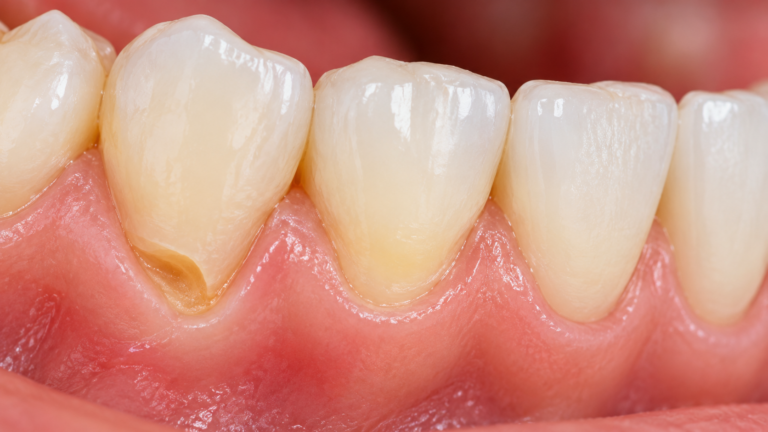
Picture a super-thick sheet of tartar locking teeth together. It tends to show up on the lower front teeth and can look yellow, brown, or even orange—sometimes it feels like a solid block when you run your tongue over it. In really bad cases, it makes gaps between teeth disappear, so they look fused together.
This is why some people say, “tartar holds teeth together.” It’s not exactly an old wives’ tale—just not the whole story.
How does calculus even form?
It goes like this:
- Bits of food stick to your teeth
- Bacteria turn that stuff into plaque
- If you don’t remove the plaque (within a day or two), it hardens
- Minerals from your saliva turn it into tartar
This whole process can start in as little as one to three days, but the buildup becomes really noticeable over weeks or months.
Where does it show up the most?
- Behind your lower front teeth
- Near the salivary glands
- Between your teeth
- Along the gum line, both above and below
These are the spots most people miss when they brush, so plaque builds faster there.
What causes calculus?
Main culprits are poor brushing, not flossing, smoking or using tobacco, eating lots of sugary foods, or having a dry mouth. Other things like crooked teeth, skipping dental visits, and even the mix of minerals in your saliva can make things worse.

How bad can it get?
1. Minimal: Just a bit of buildup, easy for your dentist to remove.
2. Moderate: Clearly visible, might make your gums a little sore.
3. Severe: Thick deposits, possible calculus bridge, bad breath, and gum disease start showing up.
Is calculus a disease?
Not exactly. The tartar itself isn’t the disease, but it can seriously mess things up—gum disease, cavities, even tooth loss. So, it’s not innocent. Think of it as an early warning sign that leads to bigger dental problems if you ignore it.
How do you know if you have calculus?
You might notice yellow or brown stuff on your teeth, a rough feeling when you touch them, bad breath, bleeding gums, or just a thick, hard layer on your teeth. Run your tongue across your teeth—if it doesn’t feel smooth, there’s a good chance that’s calculus.
Can this stuff really hold teeth together?
Yeah, but don’t get too excited. In the worst cases, tartar can fill gaps left by gum disease, so teeth seem stuck together. The catch is, that tartar isn’t supposed to be there. When a dentist finally removes it, your teeth might suddenly feel loose, since your gums and bone underneath could be damaged.
So, the whole “tartar helps hold teeth together” thing? Technically true, but also risky as hell.
What happens if a chunk of tartar breaks off?
Sometimes, a big piece can just crack and come off. Sounds like a quick fix, but it usually just exposes the real problem underneath—loose teeth, possible infection, and more mess.
Can you just scale calculus off at home?
Don’t try it. Proper scaling takes special tools, and deep, stubborn tartar often needs several visits to the dentist. Some severe cases even need surgery, and any bone loss can’t be fixed just by cleaning.
How do you fight dental calculus?
Get a professional cleaning—scaling and possibly root planing if it’s bad. If your gums are involved, you might need extra gum treatments. And no, you can’t safely scrape this stuff off at home.
Can you soften or remove calculus yourself?
Not really. Good hygiene like daily brushing, flossing, and using antibacterial mouthwash helps prevent more buildup, but it won’t take off what’s already there.
Best prevention tips?
Brush twice a day for two minutes
Use fluoride toothpaste
Floss every day
Rinse with mouthwash weekly
Clean your tongue
See your dentist every six months
can you get calculus if you don’t have teeth?
Surprisingly, yes. Calculus can still build up on dentures, implants, or even the roots of teeth that aren’t fully gone.
Calcium buildup on teeth—is that the same as calculus?
Yep, just a different name. Minerals from your saliva stick to plaque on your teeth and make it hard.
Bottom line
A calculus bridge isn’t just about looks. It points to real problems with your dental health. It’s a clear sign your teeth and gums are in trouble. It might look like it’s helping stiffen things up, but it’s doing real damage underneath. The real fix is preventing plaque in the first place, keeping calculus off your teeth, and protecting your gums and bone.
If you see or feel thick tartar on your teeth, don’t ignore it. Get to a dentist before things go from bad to worse.