
Spotting a rotten broken tooth in the mirror is pretty unsettling. You might see a dark hole, a black spot, or notice your tooth literally breaking apart. Maybe it snapped in half and the inside looks black, or a chunk of your molar came off during dinner or while flossing. Sometimes it hurts—sometimes it doesn’t. Either way, it’s not normal.
What Does a Rotten Broken Tooth Mean?
Usually, it means tooth decay has worked its way deep inside, making your tooth weak until it cracks, chips, or breaks completely.
You might notice stuff like:
– A black hole or dark spot in the tooth
– Tooth turning brown or black
– Tooth cracked in half
– Pieces breaking off, especially from the middle
People describe it in all sorts of ways:
– “My tooth broke off and it’s black inside.”
– “My molar is breaking apart from a cavity.”
– “My teeth are rotting and breaking.”
All signs point to the same thing: serious decay inside the tooth.
Why Does the Inside of the Tooth Turn Black?
When the inside looks black, it’s usually because:
– The nerve (pulp) inside is dead
– There’s bacteria and more decay inside
– The blood supply is gone
– Decay snuck under a crown
You might spot:
– Black cavities
– A black tooth under a crown
– A root canal tooth turning dark
Here’s the kicker: Just because it doesn’t hurt doesn’t mean it’s not infected.
Let’s talk about stuff that really happens.
1. Tooth broke in half and the inside is black — decay reached the core and the tooth couldn’t handle it anymore.
2. Tooth broke off but no pain — happens a lot. If the nerve’s dead, you won’t feel a thing.
3. Small black hole, no pain — early or deep cavity. Pain could show up later.
4. Tooth cracked, then fell out — usually due to destroyed roots or the tooth getting too brittle.
5. Crown fell off, tooth is black — yep, decay probably got in under the crown.
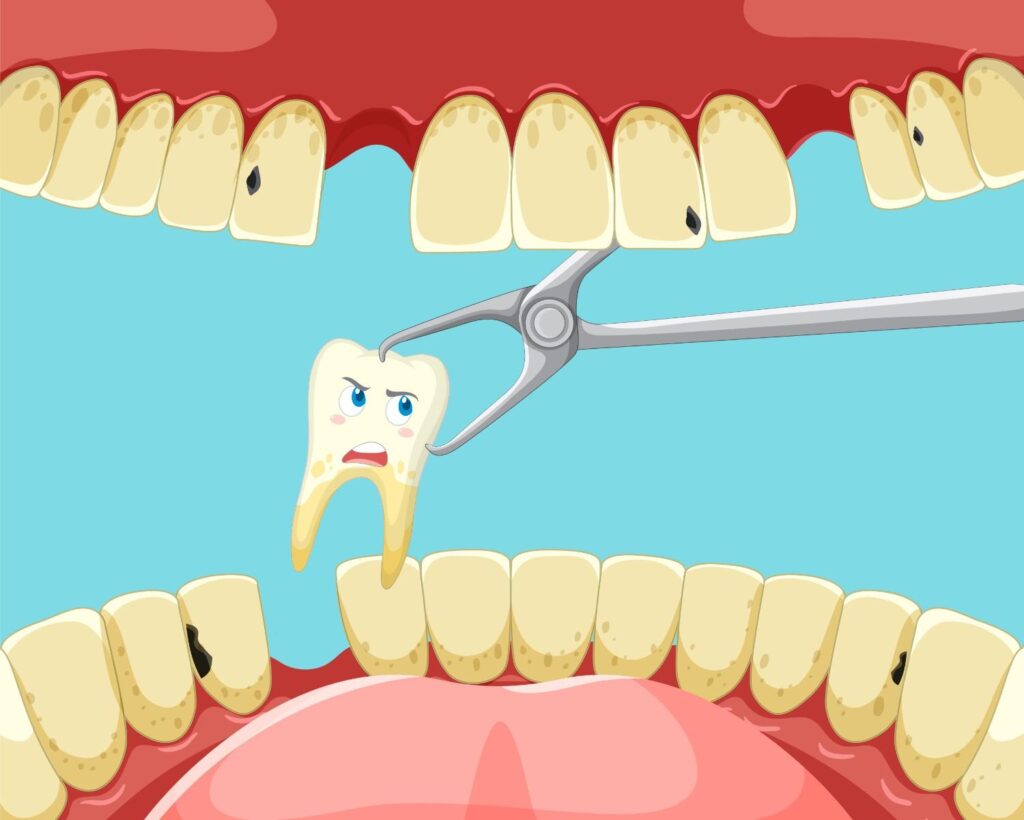
Should You Try to Remove the Black Part Yourself?
Don’t even think about it. Trying to cut out the black bits at home is asking for trouble.
Here’s why:
– You might cause bleeding or infection
– You could expose the nerve
– It could get worse fast
– You might inhale or swallow fragments
Seriously, leave it to the dentist.
Is a Rotten Broken Tooth a Big Deal?
Absolutely. Even without pain, it can trigger:
– Infection spreading to your jaw
– Gum abscesses (those nasty pus-filled swellings)
– Bad breath that sticks around
– Tooth loss
– Rarely, infections can spread into your body
Why Are Your Teeth Breaking or Falling Apart?
If you keep wondering why your teeth keep breaking, there are some common causes:
1. Decay from the inside. Your tooth gets weak, turns brittle, and eventually breaks apart.
2. Brittle teeth. This can happen because of what you eat, acid wearing down the enamel, or not getting enough calcium.
3. Old fillings or crowns — dental work doesn’t last forever, and sometimes teeth break around them.
4. Grinding (Bruxism) — constant pressure leads to cracks over time.
5. Tartar build-up — when tartar pops off, it can expose already damaged teeth.
What If There’s No Pain?
Lots of people worry, “Black hole, no pain—is that okay?” Nope. The absence of pain can mean the nerve is dead, and that’s actually worse.
Can a Dentist Save It?
Depends. If only the outer parts are damaged and there’s still enough good tooth left, you have options:
– Fillings for smaller cavities
– Crowns for bigger damage
– Root canal if the inside is infected
If the tooth is completely shattered or the root’s shot, they’ll probably need to pull it.
What Happens If You Ignore It?
If you leave a rotten or broken tooth alone, here’s what comes next:
– Major pain (eventually)
– Swelling in your face or gums
– Infection spreading
– Tooth just falling out
Some folks say, “My tooth literally rotted and fell out.” That’s the body basically giving up against decay.
When Should You See a Dentist Right Away?
Get to the dentist if you notice:
– A black hole in your tooth
– Tooth cracked in half
– Hole in tooth with bleeding
– Broken tooth with pain or blood
– Swelling, pus, or fever
– Bad taste that won’t leave
Even if it’s just “part of my tooth fell off, no pain”—don’t wait.
What Will the Dentist Do?
They’ll check it out, take some X-rays, and see how bad the infection is. Then it goes like this:
– Clean out the decay
– Fill or rebuild the tooth
– Do a root canal, if needed
– Remove the tooth if it’s beyond fixing
What About Black Spots That Aren’t Cavities?
Sometimes you’ll see:
– A black line on your molar
– Sealant turned black
– Dental work left a black mark
Not every black spot means decay, but you can’t know for sure by yourself. Always get it checked.
Can a Chipped Tooth Become Decay?
Absolutely. The chip lets bacteria in, and decay can set in fast. So if your tooth’s chipped, don’t ignore it.
Are Teeth Hollow Inside?
Not really. Teeth have layers:
– Enamel on the outside (hard)
– Dentin inside (softer)
– Pulp in the core (nerve and blood supply)
Once decay gets through the enamel, it eats away at the softer inner stuff, leaving a hollow spot.
Stopping Teeth From Breaking Again
If your teeth are breaking, cracking, or turning black, here’s what helps:
– Brush twice a day and floss daily
– Use fluoride toothpaste
– Cut back on sugar
– Avoid really hard foods
– Drink more water
– Visit the dentist every six months
– Wear a mouthguard if you grind your teeth
– Fix cavities as soon as you see them
Bottom Line
A rotten broken tooth isn’t just a small issue—it means the inside of your tooth is seriously messed up.
So whether you’ve got:
– A tooth broken in half
– Black inside a tooth
– Teeth breaking apart
– No pain, but something’s definitely off
Don’t wait. The sooner you deal with it, the better your chances to save your tooth and skip the bigger problems down the road.
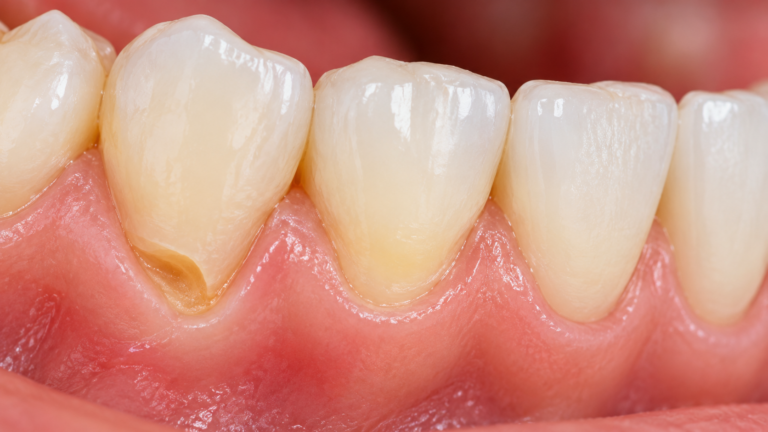
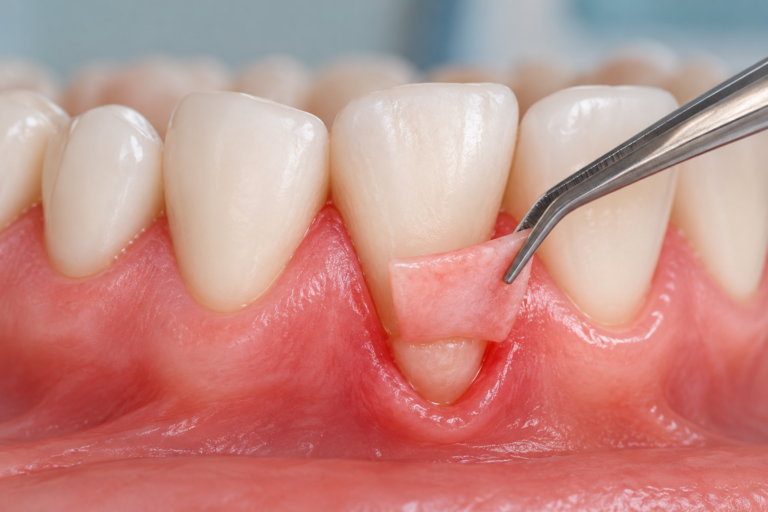





[…] you have severe pain, swelling, loose teeth, cracks, heavy bleeding, infection, or a badly broken tooth—get professional help. Cosmetic bonding comes later, after the real issue is […]