So, your dentist just dropped the words “front tooth root canal,” and now you’re sitting there with a head full of questions and maybe a little anxiety, too. You’re not the only one. The phrase “root canal” usually makes people think of pain, needles, and dental horror stories. But honestly, things have changed a lot—modern root canals are way faster and a lot more comfortable than most people expect.
What’s a Front Tooth Root Canal, Anyway?
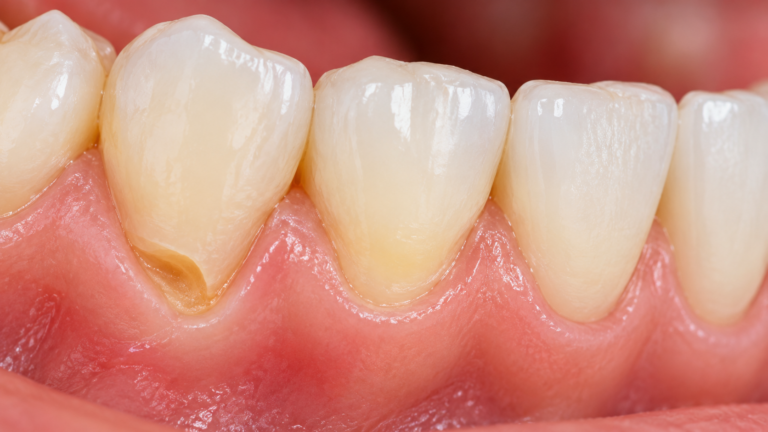
A front tooth root canal—dentists sometimes call it an anterior root canal—is a procedure they use to save one of your front teeth if it’s damaged or infected. Inside every tooth, there’s soft tissue called pulp. If that pulp gets infected (could be from decay, maybe an injury or a crack), the pain can hit hard and infections can get pretty serious if you leave them alone.
Instead of pulling the whole tooth, your dentist will:
– Clean out the infected pulp
– Disinfect inside the tooth
– Seal it up to keep infection out
People call this a root canal, an RCT, or just “getting root canal treatment”—all the same thing.
Why Would You Need a Root Canal on a Front Tooth?
Some warning signs to watch for:
– Toothache that won’t quit
– Teeth sensitive to hot or cold
– Swollen gums around a tooth
– The tooth looks dark or kind of dead
– Hurts when you chew
Sometimes, though? There isn’t any pain. That catches people off guard. It’s one more reason regular dental checkups matter.
So, How Does Someone End Up Needing a Root Canal?
Here’s what usually leads to it:
– Really deep cavities
– Some sort of trauma—think getting hit in the mouth, taking a fall
– Cracked or chipped teeth
– A filling or dental work that didn’t hold up
Bottom line: once bacteria get down inside your tooth, a root canal is how they fix it.
How Does a Root Canal Happen? Step By Step
Wondering what actually happens when you get a root canal? Here’s the basic run-down:
1. First, you get numbed up. Local anesthesia so you don’t feel pain.
2. The dentist makes a small opening in the tooth to reach the pulp.
3. Next, they remove the infected tissue and clean everything out.
4. They shape the canal using tiny tools to get it ready for filling.
5. The canal is filled with a rubbery material and sealed so nothing sneaks back in.
6. Last step—your tooth gets a filling or (sometimes) a crown to protect it.
Good news here: Front teeth are a lot simpler than your back molars, so these root canals don’t take as long.
Front Tooth Root Canal vs. Upper Molar Root Canal
There are some real differences between working on a front tooth and a molar in the back.
- Roots: Front Tooth – 1 | Molar – 2–4
- Procedure Time: Front Tooth – Shorter | Molar – Longer
- Difficulty: Front Tooth – Easier | Molar – Harder
- Cost: Front Tooth – Lower | Molar – Higher
Front teeth are just easier overall. So, the whole thing’s faster and usually doesn’t cost as much.

How Common Are Root Canals?
Root canals are super common. Dentists perform them all the time—millions of people get one every year. It’s one of those standard dental procedures, honestly.
Does a Front Tooth Root Canal Hurt?
Not really. With modern anesthesia, you shouldn’t feel real pain—just maybe a little pressure during the treatment, and mild soreness after (think how your mouth feels after chewing gum for hours). Usually, over-the-counter painkillers are enough to handle it.
How Much Does a Front Tooth Root Canal Cost?
Let’s talk money, because it’s everyone’s question:
– Where you live matters—a root canal in Pakistan will cost about PKR 8,000 to 25,000, while in the US or UK, it’s usually $500 to $1,500.
– The dentist’s experience and how fancy the clinic is can affect the price too.
Front teeth are typically less expensive to treat than molars since they’re easier for dentists to work on.
What If the Tooth Is Already “Dead”? How Much To Treat That?
If your tooth’s gone “dead,” you’re looking at a couple options:
– Root canal (what most people do)
– Tooth removal (if it’s too far gone)
Root canal is usually cheaper in the long run. Pulling the tooth and getting an implant? That’s pricier and takes longer. Keeping your natural tooth almost always makes more sense.
Should You Have the Tooth Removed Instead?
People ask this a lot: “Should I just pull the tooth and skip the root canal?” Most dentists will tell you to keep your natural tooth if you can. Here’s why:
– Your smile looks natural
– You chew better
– It keeps your jawbone healthier
There are times when removal is the only option, though—like if the root’s cracked, the tooth is badly damaged, or if a previous root canal didn’t work.
If You Do Need It Pulled…
If saving the tooth just isn’t possible, your dentist may suggest removing it and then replacing it with an implant, a bridge, or a denture. But again, pulling a tooth is always a last resort.
Root Canal vs. Removal: Quick Comparison
Saving the tooth with a root canal:
– Looks natural
– Costs less, long-term
– No surgery required
Removing the tooth:
– Leaves a gap unless you pay for a replacement
– Replacements (implants, bridges) get expensive
– Risk of bone loss in your jaw over time
What Happens After a Root Canal?
Once you’ve had your root canal, you might notice:
– Mild sensitivity
– A little swelling
– Some temporary aching
Take care of the tooth: avoid biting hard stuff for a bit, brush and floss gently, and do what your dentist suggests. Most people feel fine and get back to normal right away.
Front Tooth Root Canal “Ancesor”—What Is That?
Sometimes you’ll see “front tooth root canal ancesor” online. That’s just a typo or misspelling. The correct word is “anterior,” which means “front.” So, nothing to worry about.
What Does Getting a Root Canal Look Like?
Lots of folks search for “root canal face” or pictures of people in the chair. Basically, you’ll see someone lying back in the dentist’s chair, mouth open with a few tools in place, and the dentist concentrating. Not scary—just dentistry as usual.
Are There Alternatives to a Root Canal?
There are a few similar treatments:
– Pulp capping (mainly for early-stage problems)
– Extraction (pulling the tooth)
– Antibiotics (temporary help, not a real fix)
But if infection reaches deep inside your tooth, root canal is usually the only real solution.
What If a Root Canal Fails? (Re-Root Canal)
Sometimes, things go wrong, and a root canal doesn’t last. Dentists can redo it. They’ll remove the old filling, clean out the canal again, and reseal it. This gives the tooth another chance.
How Long Does a Root Canal Last?
If you take care of it, a root canal-treated tooth can last 10–20 years or more—maybe even for life.
To keep it going strong: brush twice a day, don’t bite through hard stuff, and keep up with dental visits.
Final Thoughts
A front tooth root canal might sound scary, but it’s a safe, routine way to save your natural tooth. Still not sure? Ask yourself if you want to keep your real tooth and avoid expensive replacement options. If the answer’s yes—as it is for most people—root canal is the way to go.