
Most people picture cavities as tiny holes on the top of their teeth, but honestly, one of the sneakiest spots for decay hides right where teeth touch. Dentists call these “interproximal cavities” — tiny pockets of trouble in the tight spaces between your teeth.
Thing is, you usually don’t spot them right away. They develop quietly, often without pain, and can get pretty big before you notice anything off. That’s why lots of folks are caught off guard at the dentist — their smile looked fine in the mirror, but suddenly they’ve got “multiple cavities between teeth.”
What exactly is an interproximal cavity?
It’s simply decay between two neighboring teeth. Dentists use terms like interproximal decay, caries between teeth, and proximal decay, but they all mean the same thing. The toothbrush bristles just can’t reach those tight contacts well enough. When plaque gets trapped there, bacteria feast on sugars and make acid that slowly chews through the enamel.
You’ll often find these cavities between the front teeth, between molars, on the sides of bottom front teeth, and in premolars. Some people even stumble onto the wrong word in their Google searches — “interneumonic cavity” — when they actually mean interproximal.
Anatomic interproximal
The anatomic interproximal space — that tiny triangle near the gums between two teeth — is basically the perfect spot for food and plaque to hang out. The natural curves and contact points make cleaning tricky, even with a stellar toothbrush. That’s why floss is so important. Without it, plaque hardens into tartar, and decay gets a head start.
Why are cavities between teeth so common?
There’s a few reasons:
– Toothbrushes miss those tight spaces.
– Sticky foods like candy and bread cling between teeth.
– Plaque thrives where there’s less cleaning.
– Saliva can’t do its job in those cramped spots.
– Loads of people brush but barely floss.
Truth is, your toothbrush handles around 60% of tooth surfaces. Floss gets the rest.
Early warning signs
The tricky part? Cavities between teeth usually don’t hurt right away. But you might notice sensitivity to sweets, pain when biting, food getting stuck between teeth, bleeding gums, dark shadows, bad breath, cold sensitivity, or even a tiny hole. Sometimes your tongue will catch a rough spot before you feel any pain.
How do dentists find these hidden cavities?
They’re usually spotted during bitewing X-rays. Early signs show up as small dark triangles, shadows in the enamel, or faint gray patches at contact points. These can hide for months or years, so regular checkups matter — especially if you’ve had a cavity before.
Can a cavity go dormant?
Sometimes, yes. If you clean better, cut sugar, boost fluoride, or your saliva remineralizes the area, the decay might stop progressing. The cavity turns harder, darker, and less active — but it’s not “healed.” Your dentist needs to keep an eye on it, since it could reactivate.
Why do cavities between front teeth happen?
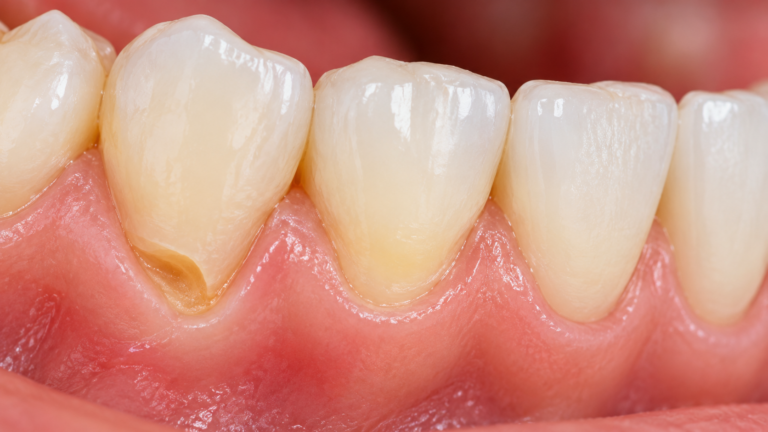
They’re especially upsetting because they’re so visible. Causes include sugary drinks, bad flossing habits, dry mouth, smoking, and acidic foods. Front teeth don’t have much enamel, so cavities move fast. If things get bad enough, the surface can crack and open up a dark gap.
What if you just ignore a cavity hiding between your teeth?
Well, you don’t want to do that. Small holes can turn into big problems—think: deep infections, cracked teeth, root canals, or even losing the tooth altogether. The bacteria don’t really care about boundaries either; they’ll spread to the next tooth if you let them. Untreated cavities might cause the gum area to cave in, big tooth damage, infection inside the tooth, or bone loss.
Treatment options
What you need depends on how deep the cavity is:
– Fluoride treatment for very early decay — helps strengthen enamel.
– Filling between teeth — the most common fix. The dentist removes decay, cleans, and places a tooth-colored filling that blends right in.
What’s getting a cavity filling in between teeth like?
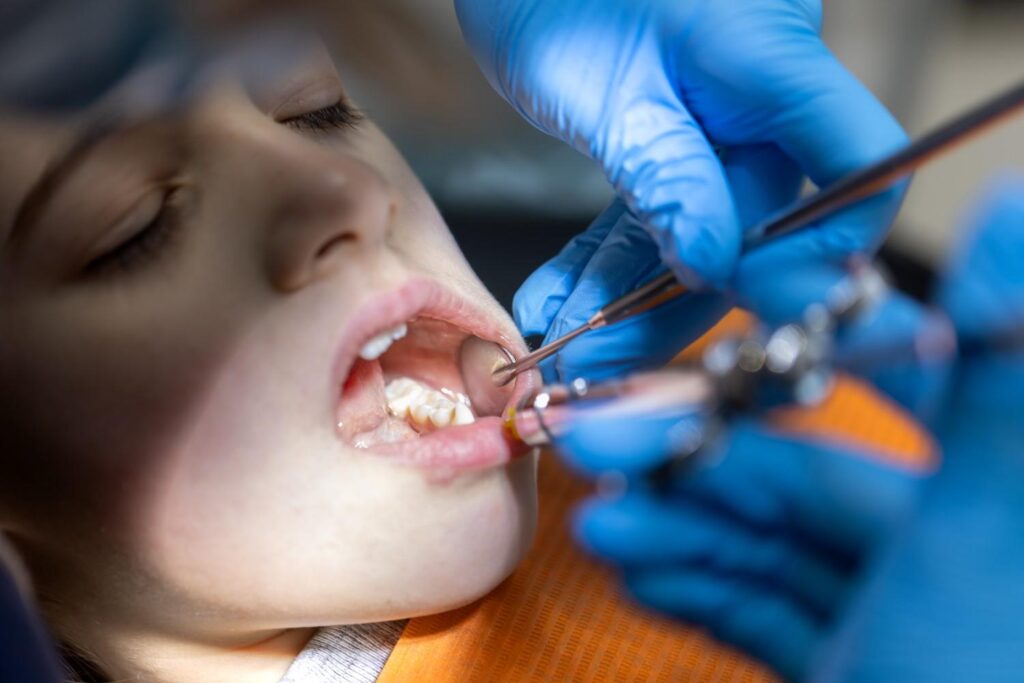
Most people expect pain. But honestly, it’s fast and comfortable. The dentist numbs the area, cleans out decay, shapes the spot, applies filling material, and hardens it with a special light. Small cavities between teeth usually take less than half an hour.
What if the cavity is really big?
Big cavities need more than a simple filling — sometimes a crown, root canal, or extraction. When decay weakens the internal wall of the tooth, it risks breaking apart.
Cavities can also show up behind teeth, on chewing surfaces, or on the molar sides. If you ignore one, decay can spread in all directions.
Premolars and molars are especially at risk. Why? Their grooves trap food, and the tight contacts make flossing harder.
Can you get cavities in all your teeth?
Unfortunately, yes — but it’s preventable. Poor hygiene, dry mouth, lots of sugar, or severe acid reflux can cause widespread decay. Risk factors include soda addiction, smoking, diabetes, certain medications, skipping dental visits, or constantly snacking.
How do dentists detect hidden cavities?
They use:
– Visual exams for white spots, shadows, holes.
– Dental X-rays for hidden decay and early interproximal cavities.
– Dental explorers for softened enamel.
Prevention tips
Here’s the good news: you can stop most interproximal cavities.
– Floss every day — your best defense.
– Use fluoride toothpaste to rebuild enamel.
– Limit sugary snacks — less fuel for bacteria.
– Drink water to wash away food and acids.
– Get regular cleanings — pros remove tartar.
– Electric toothbrushes often clean better.
Best foods for strong teeth?
Cheese, yogurt, apples, leafy greens, nuts, carrots. These boost saliva and help keep enamel healthy.
When should you see a dentist?
Don’t wait if you notice sharp pain, swelling, visible holes between teeth, bleeding gums, worsening sensitivity, or food constantly getting stuck. Early treatment costs less, hurts less, and keeps things simple.
Final thoughts
Interproximal cavities might be out of sight, but they’re way too common. The simple fix? Floss daily, brush well, skip the sugar, and see your dentist regularly. Catch decay early and you’ll save yourself pain, money, and keep your smile strong.
And honestly, if you keep getting food trapped between two teeth, your mouth’s probably trying to warn you. Listen.





[…] Take cavities—some develop between teeth, where even a careful visual examination may not detect them. A bitewing X-ray can help dentists identify these interproximal cavities. […]