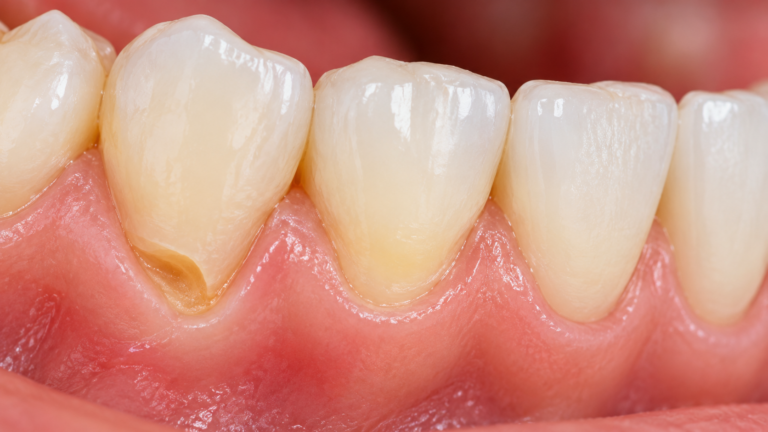
Ever stood in front of the mirror and spotted fine lines on your teeth—like faint scratches or skinny cracks? Maybe you’re squinting at some vertical streaks and thinking, “Uh oh, what’s going on?” Don’t stress. Most of the time, these lines are what dentists call craze lines, and they’re way more common than you’d guess.
People usually notice craze lines after braces, whitening, or years of grinding their teeth at night. It’s easy to worry you’ll lose your teeth, but the truth is, most craze lines aren’t a big deal. Still, you shouldn’t shrug them off if they start changing or hurting—sometimes those little cracks can open the door to bigger dental problems.
What are Craze Lines Anyway?
Craze lines are those barely-there cracks that live in your tooth’s hard outside shell—enamel. Some basics to know:
– They stick to the surface.
– They don’t hurt.
– They don’t immediately weaken your tooth.
– You’ll usually see them running up and down.
Your dentist might call them enamel craze lines or dentinal crazing, but it all means the same thing.
How to Spot Them
People describe craze lines in all sorts of ways—vertical lines on front teeth, thin white or silver streaks, scuffed-looking marks, you name it. Sometimes, they’re so small you’d never know they’re there unless your dentist points them out under a bright light.
Are Craze Lines Normal?
Honestly, yeah. They’re as normal as finding a few wrinkles or scratches on your phone screen over time. Teeth pick up these little marks just from everyday life. Most adults get a few, especially on front teeth, molars, and any tooth you use for heavy-duty chewing. Dentists usually see minor craze lines as a cosmetic thing, not an emergency.
Why Do Craze Lines Show Up?
A bunch of things can cause these tiny cracks:
1) Teeth Grinding (Bruxism)
Gnashing or clenching your teeth puts real pressure on your enamel—one of the most common reasons for stress cracks. People often grind their teeth while they sleep and have no clue until someone else hears it or a dentist points out the wear.
Signs of grinding:
– Jaw pain in the morning
– Headaches
– Worn down teeth
– Craggy feeling on the back of your teeth
– More sensitivity than usual
2) Biting Hard Foods
Nibbling on ice, hard candy, popcorn kernels, or even biting pens can create little cracks. Repeated pressure slowly chips away at your enamel.
3) Temperature Whiplash
Drinking something super hot and then something icy right after makes your teeth expand and contract fast. Do that enough, and you get cracks, lines, or other enamel stress marks.
4) Aging
Enamel wears out over the years. The older you get, the more you’ll spot lines on your teeth, especially molars and anywhere close to the gumline.
5) Braces and Orthodontics
Some folks spot more hairline cracks after getting braces. It’s not that braces always cause them—sometimes the lines were there before, or getting brackets removed just highlights them. When teeth dry out after getting hardware taken off, the lines can look more obvious, too.
6) Injury or Trauma
Take a hit to the mouth, or bite into something harder than you expected, and you might end up with bigger cracks that go beyond the surface. These ones need a dentist’s attention, fast.

Craze Lines vs. Cracked Teeth
This is where people mix things up. Craze lines stay on the surface, don’t hurt, and are usually just a little annoying to look at. Cracked teeth go deeper, might cause pain when you chew, bring more sensitivity, or even trigger infections. Real cracks can creep toward the root, which is serious business.
When to Worry About Cracks
Call your dentist if you:
– Feel pain when chewing
– Get a zing of sensitivity with hot or cold stuff
– Notice your tooth hurts when you let go after biting down
– See a swelling or the crack is growing darker or bigger
– Spot a split or bleeding near the line
– Notice a wobbly tooth
These are signs the problem isn’t just cosmetic anymore.
Can Craze Lines Lead to Cavities?
Not by themselves. But deeper cracks? They’re a magnet for bacteria, plaque, and food gunk, which all boost your chances of decay and infection. People who grind their teeth might be more at risk for cavities because grinding thins out the enamel.
Why Front Teeth Get More Craze Lines
Your front teeth are thinner than your molars and take on a lot of biting. Plus, any little line is way more noticeable since they’re right up front and catch the light.
Are Horizontal Lines Bad?
Horizontal craze lines aren’t as common as vertical ones. They usually show up because of trauma, some serious grinding, or a heavy bite. If you see one, get it checked—horizontal cracks can weaken a tooth more than the usual vertical craze line.
How Dentists Diagnose Craze Lines
Dentists use bright lights, magnifiers, special dyes, and sometimes X-rays. But honestly, some cracks are so fine, they won’t even show up on an X-ray. Bite tests help too.
What About Treatment?
Most of the time, treatment is about looks, not emergencies:
1) No Treatment
If the line doesn’t hurt, isn’t spreading, and is just an eyesore, most dentists leave it alone and watch it.
2) Teeth Whitening
Weird fact: whitening can make craze lines stand out more, because stains collect in those little cracks. But whitening can also help if your teeth are just unevenly colored overall.
3) Dental Bonding
Dentists can cover visible lines with resin that matches your tooth, hiding the marks.
4) Veneers
Porcelain veneers cover the whole front, which is great if you have a bunch of craze lines or staining that just won’t budge.
5) Crowns
For major cracks or weakened teeth, a crown might be the answer.
6) Night Guards
If grinding is your problem, night guards act as a cushion and protect your teeth from more wear and tear.
Can You Fix Craze Lines Naturally?
You can’t erase cracks in enamel at home, but you can stop them from getting worse:
– Don’t chew ice or bite hard stuff
– Use a night guard if you grind your teeth
– Don’t use your teeth to open packages or bottles
– Go easy on acidic drinks
– Brush gently with a soft toothbrush
– Deal with stress—clenching happens a lot more when you’re anxious
Do Craze Lines Mean My Teeth Will Fall Out?
Definitely not. Tons of people panic when they notice a line and suddenly imagine all their teeth falling out. In reality, most craze lines hang around for years and do nothing, especially if your dentist confirms they’re just surface cracks.
How to Prevent More Cracks
– Wear a night guard if you grind or clench
– Don’t chew pens, fingernails, or ice
– Visit your dentist for regular check-ups
– Take care of bite problems proactively
– Use fluoride toothpaste
– Go easy on the soda and sweets
Healthy enamel stands up better against cracks.
Final Thoughts
Craze lines are super common and usually nothing to lose sleep over. Think of them as tiny signs your teeth have been doing their job for years. If your lines are small and painless, you’re probably just fine. But don’t ignore cracks that hurt, change, or grow—a dentist can tell you for sure whether it’s just life leaving marks or something that needs to be fixed.
And remember, your camera likes to exaggerate. Most of those lines are a lot less dramatic in real life than they are under your bathroom lighting or phone zoom. Your smile’s still doing just fine.