Everyone wants a bright smile. When your teeth look white, you just feel better about yourself – you look healthier, you’re more likely to flash your grin, and let’s be honest, it’s a confidence booster. But not everyone can afford professional whitening, and a lot of those products you see on the shelves aren’t always the safest. Sometimes they just end up making your teeth sensitive or actually damage the enamel if you go overboard.
That’s the thing—there really are ways to brighten your teeth at home, and the best part? They’re actually safe.
Why Do Teeth Get Yellow?
Before you jump into the whitening frenzy, it helps to know why your teeth look yellow in the first place.
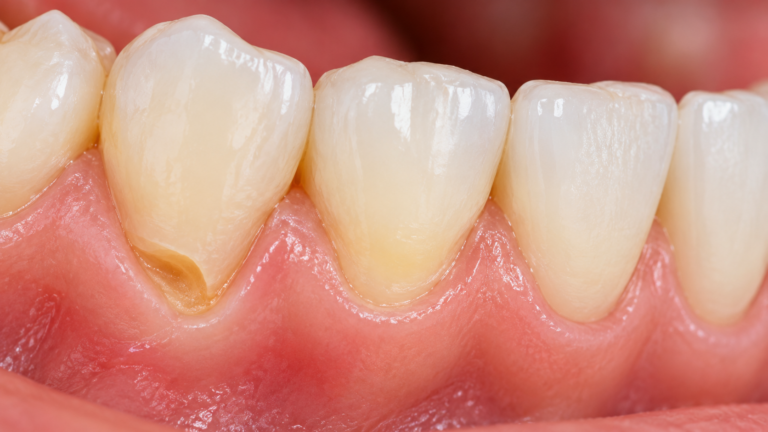
You’ve got two main layers in your teeth: there’s the enamel on the outside—the hard, white stuff—and then the dentin underneath, which is naturally a little yellow. Over time, enamel can thin out, and stains pile up. What causes that? Well, everything from coffee and tea, to smoking, sodas, lousy brushing habits, aging, certain meds, dark foods, and plain old plaque build-up. And honestly, some people just naturally have a bit of yellow in their teeth. It’s totally normal.
Can You Actually Whiten Teeth at Home?
Short answer: Yes, but with a catch. Most blogs try to gloss over this – natural whitening works best on surface stains and mild yellowing. It’s great for daily upkeep, but it won’t give you that Hollywood glow in a single night.
If someone’s promising “how to whiten teeth in one day naturally,” you should definitely be skeptical. Fast fixes usually mess up your enamel. The safest route is slow, steady whitening and good hygiene.
Best Natural Ways to Whiten Teeth
1. Brush Right, Twice a Day
It’s probably the most boring advice, but it works. People Google “how to get white teeth” and “how to naturally get whiter teeth,” but skip basic brushing. Two minutes, soft brush, fluoride toothpaste, gentle circles—don’t scrub like crazy. Too much force just makes your teeth yellower in the long run.
Extra Tip: If you’ve got the budget, grab an electric toothbrush—they’re often better at clearing away plaque and stains.
2. Baking Soda—But Don’t Overdo It
Baking soda’s a favorite for home whitening, and there’s actually science to back it up. It works by gently scrubbing away surface stains, dropping plaque, and balancing out acids in your mouth.
How To Use It Right
Just mix a teaspoon of baking soda with a few drops of water. Brush gently for about half a minute to a minute—do this once or maybe twice a week.
Warning: Everyday use starts wearing down your enamel, and that’s not something you want. Moderation is the key. Don’t get greedy.
3. Oil Pulling
You swish oil (usually coconut, sesame, or sunflower) around your mouth for about ten to fifteen minutes. The idea? It kills bacteria, freshens your breath, keeps plaque in check, and makes your teeth look cleaner.
. Coconut oil in particular has lauric acid, which fights bacteria.
Oil Pulling: Step-by-Step
Take a tablespoon of coconut oil, swish it gently, spit it out, rinse, then brush like normal. It’s not a quick fix, but over time, it can help your teeth look brighter.
4. Foods That Clean Teeth
Some snacks actually help clean your teeth as you chew. Apples, carrots, celery, strawberries, cucumbers—they’re all great. Crunchy foods make you slobber more, washing away bacteria and stains.
Strawberries? They’ve got malic acid, which can help lift surface stains a bit. But don’t mash them into a paste every day like those viral DIYs suggest. Too much acid wears out your enamel.
Foods and Drinks That Stain Teeth
If you want to keep your teeth white, you’ve got to watch what you put in your mouth. Coffee, tea, cola, red wine, smoking, dark sauces, energy drinks—they all stain.
Trick: Use a straw if you can, and rinse your mouth with water after you drink something that stains.
Safe Homemade Whitening Remedies
A lot of people want homemade solutions. Here’s what’s actually safe:
1) Homemade Teeth Whitening Paste
Mix a teaspoon of baking soda with a few drops of coconut oil—use it once a week. It’s simple and it works for mild stains without any harsh chemicals.
2) Hydrogen Peroxide (Use With Care)
You’ll find this in a bunch of whitening products but don’t overdo it. Dilute 1.5%-3% peroxide half-and-half with water as a mouth rinse for about thirty seconds.
Never swallow it, never use higher concentrations, and don’t do it every day. Too much peroxide will leave your gums irritated and your teeth sensitive.

Teeth Whitening Trends to Avoid
1. Lemon Juice
Some folks try lemon juice for fast whitening. It’s super acidic, though, so it eats away your enamel. Once that layer’s gone, there’s no going back.
2. Charcoal Toothpaste
It’s trendy, but the jury’s still out. Some charcoal products are way too abrasive. Might scratch enamel, make your teeth sensitive, or irritate your gums. Once in a while is fine, but don’t make it a daily habit.
3. Household Bleach
People actually Google “bleach teeth at home.” Never do it. It’s toxic and dangerous.
How To Whiten Teeth Without Damaging Enamel
If you mess up your enamel, your teeth get more sensitive, look yellower, and you’re asking for cavities.
Safe Habits:
Do:
– Brush gently
– Floss
– Drink water
– Visit the dentist routinely
– Use whitening methods in moderation
Don’t:
– Scrub hard
– Use acids all the time
– Overuse whitening strips
– Smoke
– Skip professional cleanings
Best Options for Sensitive Teeth
If your teeth are already sensitive, skip harsh whitening products. Try coconut oil, low-abrasion toothpaste, whitening toothpaste for sensitive teeth, gentle brushing, and regular dentist visits. Sometimes yellow teeth are just tartar buildup—that’s what your dentist is for.
How to Keep Teeth White Naturally
Everyone thinks about whitening, but if you want to keep your teeth bright, it’s all about the maintenance.
Daily Tips for White Teeth
1. Brush after coffee or tea—or at least rinse with water.
2. Floss every day—plaque loves to hide out between your teeth.
3. Drink lots of water.
4. Stop smoking—it’s a huge culprit.
5. Get regular cleanings—dentists can remove hardened plaque you’ll never get at home.
Natural vs Professional Whitening
Natural Whitening:
Works best for mild stains, maintenance, sensitive teeth, or when you’re on a budget. It’s slower, subtle, and much safer if you stick to good habits.
Professional Whitening:
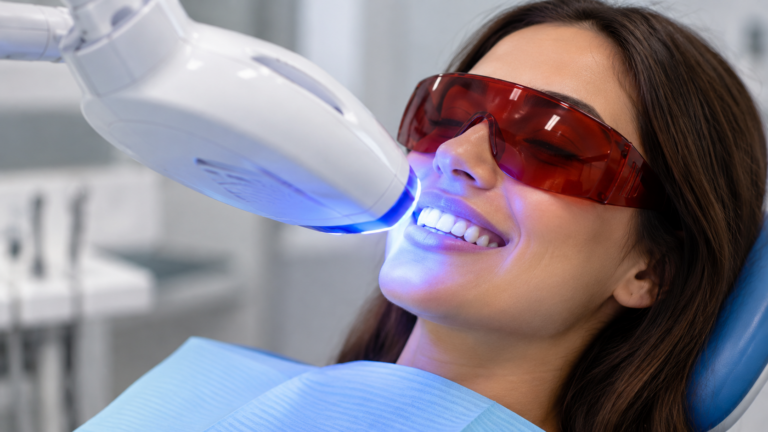
Great for deep stains, fast results, and special occasions. It’ll get you whiter, quicker—but it costs more. Honestly, the best plan is mixing daily care with occasional professional help.
Do Teeth Have To Be Pure White?
Nope. Natural teeth are usually off-white, cream, maybe a touch yellow. Thanks to social media filters and Hollywood veneers, people expect teeth to look superhuman. Clean and healthy beats blindingly white every single time. Damaged, over-bleached teeth? Nobody wants that.
Daily Routine for Whiter Teeth
Morning:
– Brush for two minutes
– Drink water after coffee
Afternoon:
– Rinse after meals
– Skip sugary drinks
Evening:
– Brush again
– Floss
– Use mouthwash if you like
Weekly:
– Baking soda paste once
– Oil pulling two or three times
Stick with this and you’ll see results—consistency wins over quick hacks.
Final Thoughts: Whitening Teeth Safely
If you want whiter teeth, healthy habits matter way more than miracle tricks. Brush right, floss, avoid stains, use baking soda in moderation, try oil pulling, keep hydrated, schedule dental check-ups. Don’t fall for dangerous fads.
Remember: Your enamel’s priceless. Healthy, well-cared-for teeth will always look better. You don’t need fancy treatments—just a little effort and some patience.