Ever catch yourself staring in the mirror and noticing your teeth looking crooked, crowded, or just a little off? You’re definitely not the only one. Countless kids, teens, and adults wonder if anything can be done about teeth that just won’t line up.
Here’s the good news: Modern dentistry has plenty of ways to straighten things out and help you feel good about your smile.
What does it really mean to have crooked teeth?
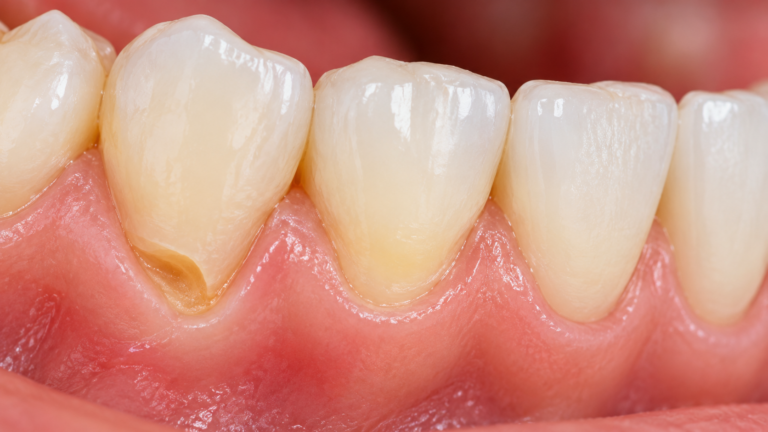
Basically, your teeth aren’t sitting where they should. Maybe they’re twisted, overlapping, slanted, crowded, rotated—some look a bit uneven, some tilt in or out. People have all sorts of nicknames for them: snaggle teeth, scattered teeth, uneven teeth, you name it. Dentists call this malocclusion, which is just a fancy way of saying your teeth don’t fit together perfectly.
Why does all this matter?
It’s not just about looks. Sure, lots of folks want straighter teeth for cosmetic reasons, but straight teeth actually help you bite and chew without hassle, keep things clean, lower your risk for gum problems, and prevent your teeth from wearing down too quickly. When your teeth are misaligned, food and bacteria sneak into hard-to-clean spots, which isn’t great for your health.
So what’s behind crooked teeth?
For most people, it comes down to a mix of genetics and little habits picked up along the way.
1) Genetics
This one’s huge. Some people inherit a small jaw, big teeth, or a bite that just doesn’t fit quite right.
2) Thumb sucking
Kids who hang onto thumb sucking after toddler years might end up with front teeth that stick out or don’t meet properly.
3) Pacifiers
Using a pacifier for too long gets in the way of proper tooth development.
4) Baby teeth problems.
Lose them early? Neighboring teeth might wander and mess up where adult teeth come in.
5) Mouth breathing.
Mouth breathing, especially over a long period, can mess with jaw growth and lead to crooked teeth.
6) Jaw injuries
A bump or blow to the face can shift teeth out of place, leading to misalignment.
7) Wisdom teeth
Sometimes, these latecomers crowd things even more.
8) Getting older
As you age, the bottom teeth love to shift and bunch up, even if everything was fine before.
You might wonder, why do so many people have crooked teeth now?
Scientists think our soft diet has something to do with it. Ancient people had tougher foods to chew, which made for broader jaws. These days, our smaller jaws sometimes just don’t have the space for all our teeth.
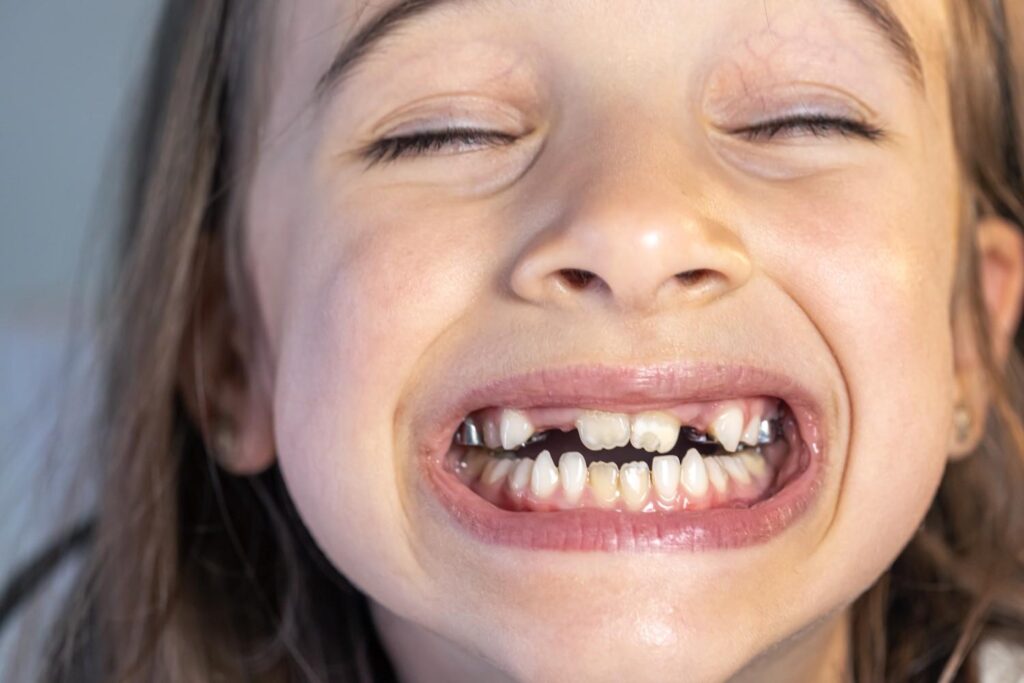
There are all kinds of tooth misalignment:
- Front teeth that are off-kilter (the most noticeable)
- Bottom teeth crowding
- Crooked back teeth that get in the way of chewing
- Teeth that tilt or twist instead of standing upright
- Front teeth that are all different heights
How do you spot poor alignment?
You might see crowding or overlapping, or have trouble flossing between teeth. Sometimes your jaw even aches or you notice uneven wear.
Can you fix crooked teeth?
In almost every case, yes. Orthodontics can tackle mild to pretty severe problems.
Here’s what’s out there:
– Braces. The classic—tried and true for straightening everything, especially when there’s a lot going on.
– Clear aligners. These are those nearly invisible trays you can pop in and out. They slowly move your teeth, perfect if your teeth just need a little help.
– Veneers. Thin coverings that slip over teeth to hide any slight crookedness. They’re all about looks—quick fixes for a picture-perfect smile.
– Bonding. A bit of material adds shape and hides small imperfections.
– Retainers. Essential for keeping your smile straight after treatment.
Only have one crooked tooth?
Clear aligners, braces, veneers, or bonding can take care of it. The right fix depends on how far it’s out of place.
Crowded teeth?
Braces, aligners, special expanders, or even tooth removal might be on the table, especially if there just isn’t room. A dentist can map out the best game plan.
Worried your teeth are too crowded to fix?
In almost every case, orthodontics or small adjustments can make a real difference. Even really crowded teeth usually don’t stand a chance against modern treatment.
Will you need a tooth pulled?
Sometimes, if there’s just nowhere for the teeth to go or the crowding’s severe. But dentists prefer to keep all your teeth whenever possible.
Wondering if you’re too old for straighter teeth?
Never. People fix their teeth in their 30s, 40s, 50s, and even into retirement. Age doesn’t rule you out.
How do you keep things from getting crooked in the first place?
A few tips:
– Encourage kids to breathe through their nose
– Stop thumb sucking before it becomes a habit
– Limit pacifier use past babyhood
– See the dentist regularly for early checks
– Replace missing teeth so others don’t shift
– Wear retainers after straightening
Frustrated about results with a previous orthodontist?
Don’t panic. Go back and talk to them, get updates and maybe a fresh opinion, and discuss what can be done next.
How common are crooked teeth for adults?
Really common. Most adults have at least some shifting or crowding, especially as they hit middle age.
What do results usually look like?
For most people, it’s a night-and-day difference: crowded or twisted teeth straighten out, smiles look even, and cleaning becomes easier. The boost in confidence doesn’t hurt.
bottom line
Crooked teeth are nothing unusual, and modern dentistry is pretty amazing at fixing them. If you’ve got a crooked tooth or a bunch that don’t line up, the right solution is out there. A straight smile means more than a good photo—it’s about comfort, health, and feeling at your best. If alignment’s off, it’s worth making that dental appointment.