Dental emergencies come out of nowhere. One minute you’re fine, the next you’re clutching your jaw, desperately searching for help. It’s late, you can’t sleep, and honestly, the pain’s making you dizzy. Maybe you’re thinking about driving to the ER or frantically looking up “emergency dentist near me.” It happens to all kinds of people—maybe you’ve bitten into something tough, lost a crown, taken a hit during a game, or woken up swollen and miserable.
Here’s the thing: if you act quickly, most dental emergencies end a lot better than you’d expect.
So, what’s a dental emergency, anyway?
There are lots of ways your mouth can suddenly betray you, but you really need urgent dental care if you’re dealing with intense pain, nonstop bleeding, signs of infection, or anything that might cost you a tooth—or risk your overall health.
Some dental problems can wait, but others need the dentist right now, not tomorrow.
Common dental emergencies include:
- Severe pain that won’t go away
- Knocked-out or broken teeth
- Abscesses (deep tooth/gum infections)
- Swelling around your mouth or jaw
- Lost fillings or crowns
- Bleeding that keeps going
- Broken dentures
- Injuries to your teeth or mouth
- Signs of infection like fever or pus
If you’re not sure what counts, these situations absolutely do.
When should you not wait? If you have any of these:
1) Crushing tooth pain
If pain keeps you from eating, sleeping, or even thinking clearly—it’s urgent. Could be infection, an abscess, nerve damage, or a cracked tooth.
2) Swelling in your face
Swelling in your jaw, cheeks, or neck is serious. If it’s near your eyes or throat, don’t mess around—get help quickly, because infection can spread.
3) Knocked-out adult tooth
Losing a permanent tooth is a race against time. If you get to a dentist within an hour, there’s a chance they can put it back in.
4) Bleeding you can’t stop
Whether it’s from trauma or after surgery, if pressure doesn’t slow it down, you need help.
5) Infection warning signs
Fever, pus, a nasty taste, swelling, or trouble swallowing—these scream for urgent care, sometimes even surgery.
Let’s dive into the specifics:
1) Severe toothaches
What causes that agony?
* Cavities
* Cracked teeth
* Gum infection
* Abscesses
* Nerve exposure
Try rinsing with salt water, gently flossing, using a cold compress, and taking painkillers. But don’t put aspirin directly on your gums—it’ll burn you.
At the dentist, expect an exam and probably x-rays. You might need a filling, maybe a root canal, or even an extraction if things are really bad.
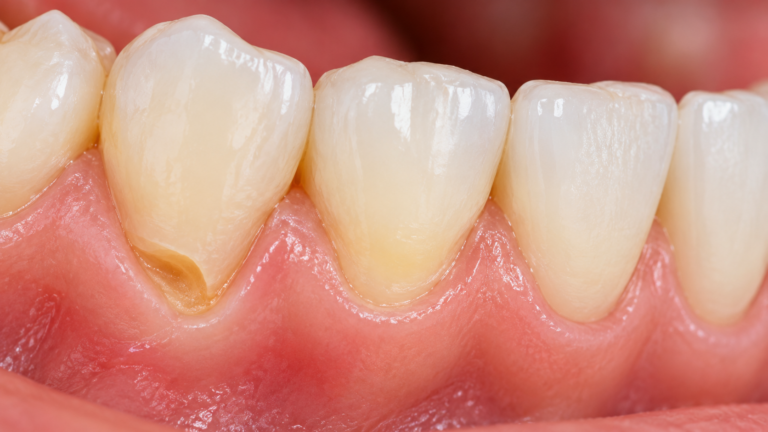
2) Cracked or Broken Tooth
These can start out looking minor, but they go downhill fast.
You might notice:
* Sharp pain when chewing
* Sensitivity to hot/cold
* Visible crack
* Swelling
Dentists have a few ways to fix it, depending on the crack: bonding, crowns, root canals, or sometimes pulling the tooth. If you go to an ER, they’ll help with pain, but you’ll need a dentist for actual repair.
3) Knocked-Out Tooth
This one’s a sprint. Grab the tooth by the crown (top), never the root. If it’s dirty, rinse gently. Stick it in milk or saline—plain water isn’t good. Then get to a dental clinic fast. Every minute counts.
4) Lost filling
Suddenly everything feels super sensitive. Cover the spot with dental wax or sugar-free gum if you have it, and see a dentist soon. Usually, fixing this is quick and inexpensive if you act fast.
5) Dental Abscess
A deep infection in your tooth or gums. This is no joke.
You’ll probably feel:
* Throbbing pain
* Swelling
* Fever
* Pus
* Bad breath
Treatment could mean draining the abscess, antibiotics, a root canal, or sometimes pulling the tooth. Don’t sit on this—abscesses can spread and get dangerous.

Where should you go—dentist or ER?
Go to an emergency dentist for things like:
- Toothaches
- Broken or cracked teeth
- Lost crowns or fillings
- Dental infections
- Root canals
- Extractions
Head to the ER only if it’s:
- Face trauma
- Broken jaw
- Bleeding you can’t control
- Trouble breathing
- Swelling that threatens your airway
ERs don’t really pull teeth unless it’s absolutely necessary. They’ll give you meds for pain or infection and send you to a dentist.
What happens at an emergency dental appointment?
Usually, it goes like this:
1. Quick exam—dentist checks pain, swelling, infection, injuries, and if your teeth are stable.
2. X-rays—looking for cracks, abscesses, or bone issues.
3. Treatment—could be a repair, new filling, stabilizing loose teeth, root canal, or extraction.
4. Follow-up—sometimes you’ll need another appointment to finish fixing things.
Emergency dental procedures include:
- Fillings for cavities or gaps
- Root canals to clear infection
- Surgery for serious infections or injuries
- Extractions when a tooth can’t be saved
- Denture repair so you can eat and talk
- Temporary tooth replacements when you’ve lost one-
What can you do before the dentist sees you?
For pain—rinse with salt water, use ice, take painkillers
For swelling—use a cold compress, drink plenty, get help soon
For broken teeth—save pieces, rinse gently, don’t chew on that side
For knocked-out teeth—keep it in milk and get straight to the dentist
These steps really make a difference.
Some dental emergencies stay hidden.
1- Cracked tooth syndrome
Not always obvious, but those tiny cracks cause random pain—if ignored, things get worse.
2- Failed root canals
Even root-canaled teeth can get infected again.
3- Crown issues
Crowns can loosen and hide trouble underneath.
4- Orthodontic emergencies
Broken wires or braces can slice up your cheeks or gums—don’t wait on that.
5- Implant problems
If an implant feels loose, there’s bleeding, or infection, it’s also urgent.
People often miss these until pain makes the decision for them.
Frequently asked questions:
Q. What’s a dental emergency?
Anything that brings on severe pain, infection, heavy bleeding, visible trauma, or threatens your tooth — that counts as an emergency.
Q. Can I just walk in for an emergency dental visit?
A lot of emergency dentists do take walk-ins. Still, it’s better if you call first so they know you’re coming and can get you in faster.
Q. How quickly can I see an emergency dentist?
Most emergency dental clinics try to give you a same-day appointment so you’re not waiting around in pain.
Q. Will urgent care deal with dental pain?
Urgent care centers can help with pain relief and maybe give you antibiotics, but they don’t do actual dental work. You’ll still need to see a dentist for procedures.
Q. Is a cracked tooth an emergency?
Definitely — especially if it hurts, swells, or if the nerve shows.
Q. Can an emergency dentist pull a tooth?
Yes, they do extractions all the time if saving the tooth isn’t an option.
Conclusion
Dental emergencies show up when you least expect them—maybe it’s a sudden toothache, a cracked tooth, or even a tooth that gets knocked out. It helps to know which problems really count as emergencies and when to drop everything for a trip to the dentist. Acting fast can ease the pain, stop things from getting worse, and sometimes even save your tooth. If your symptoms are serious, don’t wait around. Call an emergency dentist right away. The sooner you get help, the easier it is to protect your teeth—and keep your smile looking good.