A tooth can die while it’s still right there in your mouth. Feels unsettling, doesn’t it? But honestly, it happens way more often than most people realize.
A dead tooth is one that’s lost all blood flow in the pulp—the soft center packed with nerves and tissue. The nerve dies, the tooth starts changing color, and bacteria can pile up inside the root. Sometimes it hurts like crazy. Other times, you won’t feel a thing.
What’s a Dead Tooth?
When dentists talk about a “dead tooth,” they mean the pulp inside is gone—devitalized, necrotic, whatever you want to call it.
Every tooth has a core called pulp filled with blood vessels, nerves, and connective tissue. Cut off that blood supply, and the pulp dies. The tooth can’t repair itself.
You’ll hear all sorts of names floating around: dying tooth, deadtooth, death tooth, dead tooth nerve, tooth root dead. Doesn’t matter what you call it—the inside might already be damaged or brewing an infection, while the outside still looks fine.
Are Teeth Actually Alive?
Yep, they are. Kind of odd, right? The enamel on the outside is lifeless stuff, but that pulp inside is alive and kicking. It reacts to temperature, pressure, injury, infection… all sorts of things.
Once the pulp dies, the tooth loses its “vitality.” That’s when dentists start calling it dead.
What Kills a Tooth?
Usually, a tooth dies because of one of these:
1. Trauma or Injury
Get hit hard enough—sports, car accidents, falls, fights (even a punch can do it)—and you damage the blood vessels inside. Sometimes you don’t notice until weeks or months later, which confuses people all the time. You might end up with a dead front tooth after the fact, even without pain.
2. Deep Decay
Untreated cavities let bacteria burrow into the pulp. Once infection hits the nerve, inflammation rises, pressure builds, and blood stops flowing. The pulp dies. This is a super common way a “bad tooth” turns dead.
3. Cracks or Fractures
Even tiny cracks can open a door for bacteria. This is more likely with molars, teeth full of old fillings, or folks who grind their teeth.
4. Failed Dental Work
Sometimes dental treatments mess up the pulp. Maybe a filling goes wrong, a crown irritates the nerve, or drilling repeats too often. Infection under a filling that’s never treated can also kill the nerve.
Symptoms: How Do You Know?
Honestly, lots of people walk around with one and have no clue. Here’s what to watch for:
1) Tooth Discoloration
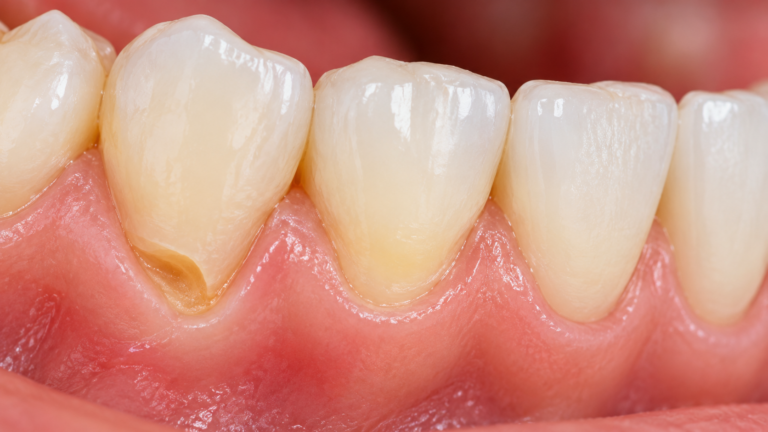
If your tooth turns yellow, gray, brown, or even black—it’s a big warning sign. Brown teeth happen because dead tissue inside breaks down.
2) Pain
You might feel throbbing, sharp pain, pressure, or pain chewing. Could be mild or absolutely unbearable. Some people google “dying tooth pain” when it starts getting rough.
3) Swelling or Infection
Look out for swollen gums, pus, bad taste, bad breath, or even your face swelling up. Basically, your body’s telling you something’s wrong.
4) Sensitivity
A fully dead tooth’s usually numb. But as it dies, you could feel strong sensitivity to hot or cold foods and drinks, and pressure.
5) Loose Feeling
The tooth might feel wobbly, taller than neighbors, or hurt when you bite—especially if the infection weakens the bone underneath.
How Do Dentists Check for a Dead Tooth?
You’re not alone if you’ve wondered “Is my tooth dead?” Dentists use a few tricks:
- Color check—darkening is a clue.
- X-rays—they spot root infection, bone changes, dying pulp, or abscesses.
- Temperature tests—if your tooth doesn’t react to cold or heat, the nerve could be dead.
- Tapping—the dentist might gently tap the tooth. If it hurts, that’s often a sign of root trouble.

My Tooth Doesn’t Hurt—Is It Still Dead?
Maybe. Pain vanishes when the nerve is truly dead, but infection can keep spreading underneath. So don’t assume you’re in the clear just because it doesn’t hurt anymore.
Can You Save a Dying Tooth?
Sometimes, yes—if you catch it early. Once the nerve’s dead, you can’t revive it, but the tooth itself might be saved. The faster you get to the dentist, the better your odds.
Treatment Options
1. Root Canal
The go-to fix. The dentist removes the dead pulp, cleans out infection, disinfects the root, and seals the tooth. You keep your natural tooth.
2. Dental Crown
After a root canal, the tooth can be weaker. A crown helps protect it from cracking, crumbling, or breaking.
3. Tooth Extraction
If the tooth’s too damaged or infected, the dentist just takes it out. Sometimes that’s the only safe choice.
Can a Dead Tooth Just Be Filled?
Nope. You can’t fix a dead tooth with just a filling. You need a root canal (plus a filling or crown) if the pulp’s dead or infected.
Healthy Root in a Dead Tooth?
Sometimes the root’s okay even if the pulp up top is dead—usually if infection hasn’t gone far. Dentists check with X-rays to be sure.
Dead Front Tooth: Why It’s Extra Stressful
When a front tooth dies, you notice. The color changes, and that’s pretty distressing for most people. But dentists can do a lot: internal bleaching, crowns, veneers, and root canal therapy can really improve the look.
Is It Safe to Leave a Dead Tooth Alone?
Definitely not a good idea. Some folks keep a dead tooth for years with no symptoms. But infection can eventually spread to gums, jawbone, other teeth, even your bloodstream. That ignored tooth can cause serious trouble down the line.
Can a Rotten Tooth Really Kill You?
Pretty rare, but severe untreated dental infections can be dangerous. Sometimes they spread deep or get into the blood. Modern dental care usually prevents this, but you definitely shouldn’t ignore a bad tooth.
Root Dies—Does Pain Stop?
Often, yes. Pain drops after the nerve dies, but infection moves right along. If your tooth stops hurting, it doesn’t always mean it’s healing.
How Long Does Tooth Nerve Pain Last?
It’s all over the place. Some folks hurt for days, weeks, or off and on. Others barely notice anything.
Can You Heal a Dead Tooth Naturally?
Sorry, you can’t. Home remedies might ease discomfort, but once the pulp dies, it’s game over for natural healing. Infection inside needs real treatment.
Future Problems from a Dead Tooth
You might get recurring infection, swelling, abscesses, bad breath, bone loss, fractures, or the tooth crumbling apart. Sometimes symptoms hit years later, when you thought everything was fine.
Do Teeth Decay After Death?
Weird, but people do ask! Teeth are incredibly tough and last way longer than soft tissues. That’s why you find teeth in archaeological digs long after everything else is gone.
When Should You See a Dentist Right Away?
If you notice swelling, fever, pus, severe pain, face swelling, dark tooth color, or bleeding and pain in a broken cavity—don’t wait. Call the dentist fast. These are signs of active infection.
Preventing a Dead Tooth
Brush twice a day, floss, wear a sports mouthguard if you’re active, fix cavities early, don’t chew hard stuff, and see the dentist every six months.
Final Thoughts
A dead tooth almost never hurts at first, but don’t ignore it. Whether it’s trauma, decay, or infection, early treatment saves the tooth and heads off bigger issues later. If you have discoloration, swelling, sensitivity, pain, or any signs of infection—don’t just hope it disappears. Get a dentist to check it out.
Even dead teeth can often be restored with modern dental care, so don’t give up on it.