Ever had that sharp sting in your mouth after munching on chips, brushing a bit too hard, or flossing in a hurry? Suddenly, your gums are bleeding, they hurt, or maybe they start to swell. It can catch you off guard, especially if you’ve never had a gum cut before.
But here’s the thing—your mouth heals pretty fast. Gums get a great blood supply, so most little cuts, tears, and nicks bounce back quick. Not every gum wound is harmless though. If the cut is deep, keeps bleeding, gets infected, or the gum is badly torn—or you just can’t shake the pain—it’s time to call the dentist.
Let’s get into what causes gum cuts, what helps them heal, how long it all takes, and how you can avoid hurting your gums in the future. We’ll cover foods that help, warning signs of infection, and the best ways to speed things up.
And if you’re wondering, “Do gums heal by themselves?” or “Can flossing really cut my gums?”—we’ll answer those too.
What Is a Cut on Gums?
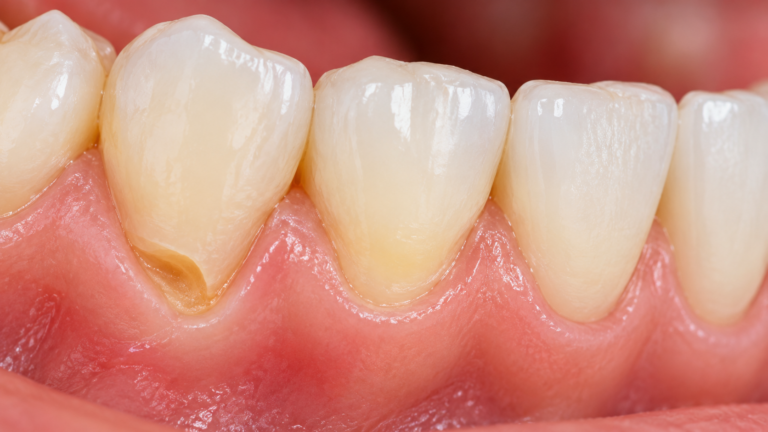
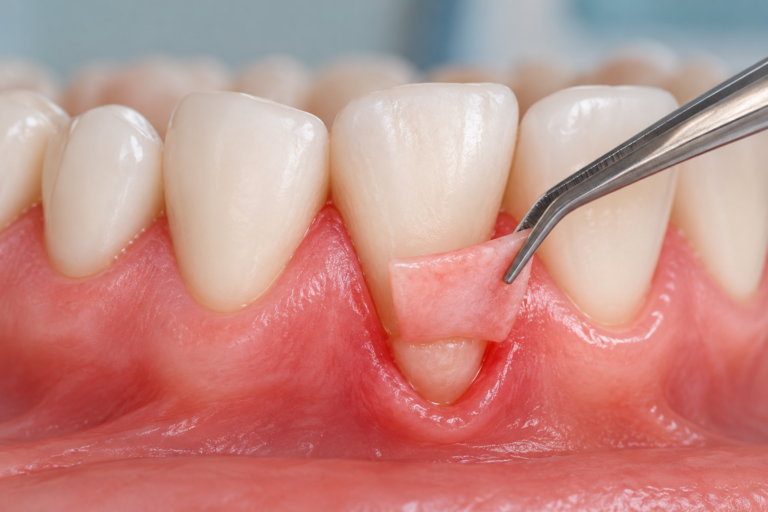
A cut on your gums just means you’ve damaged the soft tissue around your teeth. It can be a scratch, a small nick, or a bigger tear from an accident or biting the inside of your mouth.
You’ll hear people call these all sorts of things: gum abrasion, gingival cut, gum trauma, ripped gum, or simply a gum wound. You might see bleeding, swelling, pain, maybe a white layer (that’s your body’s healing process), a little scab, or the gums may just feel tender while you eat.
The good news? Gums heal a lot quicker than the skin on, say, your hands.
What Causes Gum Cuts?
Lots of stuff. Some of it’s obvious, some you might not expect.
1) Brushing Too Hard
This is a big one. If your toothbrush is stiff, or you brush aggressively, you can nick or scrape your gums, making them bleed or feel raw. If your gums start hurting after you switched to a new toothbrush, go for a softer one—and take it easy.
2) Flossing Injuries
People ask all the time: “Can floss cut your gums?” Yes, it can. If you snap the floss or yank it between your teeth, it acts like a little saw. You end up with bleeding, sore spots, and sometimes cuts between the teeth. Usually these spots heal fast if you floss gently from then on.
3) Sharp Foods
Crunchy snacks can do a number on your gums: tortilla chips, popcorn kernels, toast, pizza crust—anything with a sharp edge. Sometimes you’ll scrape your gums, get a sore between your teeth, or even wind up with a cut under the gumline.
4) Accidental Biting
You’d be surprised how often people bite their own gums while eating or talking. That one bite can leave a painful slice or open wound.
5) Dental Appliances
Braces, aligners, retainers, or even dentures can rub harshly if they don’t fit quite right, making tiny wounds or cuts along your gums. Even a sharp filling or tooth edge can do it until your dentist smooths things out.
6) Toothpicks and Fingernails
Picking at your gums isn’t great. Toothpicks, and even your own fingernails, can scratch or poke your gums, causing bleeding and slowing healing—sometimes making matters worse.
7) Burns from Hot Foods
A hot sip of coffee, a bite of pizza straight from the oven, or a spoonful of soup can burn your gums. If a patch of your gums turns white, peels, or feels unusually sore after something hot, that’s likely a small burn.
Symptoms of a Gum Cut
Here’s what you might notice:
– Bleeding
– Swelling
– Tenderness
– Redness
– Soreness or burning
– Sensitivity to hot or cold foods
– A white layer or a soft scab as it heals
– Pain while chewing
Sometimes, the pain shows up mostly when you eat or brush.
Do Gums Heal on Their Own?
Usually, yes. Minor cuts, scrapes, or bruises on your gums patch up on their own—your mouth’s tissues regenerate faster than pretty much anywhere else in your body. Just keep the area clean, and don’t mess with it.
How Long Does It Take to Heal?
It depends how deep the cut is:
– Minor scrape: 2 to 4 days
– Small cut: 5 to 7 days
– Deeper tear: 1 to 2 weeks
– Burn: around a week, maybe ten days
– Bad tear around a tooth: up to 2 or 3 weeks
If something isn’t getting better after two weeks, or seems to get worse, call your dentist to have a look.
How to Heal a Cut on Your Gums Fast
There’s no magic fix, but these steps help a lot:
1. Rinse with Warm Salt Water
Salt water cleans things out, eases swelling, and helps with pain. Use a cup of warm water and half a teaspoon of salt. Swish gently several times a day.
2. Keep It Clean
You still need to brush—just gently, and avoid scrubbing the sore spot. Not brushing at all lets more germs take over.
3. Eat Soft Foods
Give your gums a break. Yogurt, soup, eggs, oatmeal, smoothies—anything soft works. Crunchy, sharp, or spicy foods can poke or sting the wound and make it worse.
4. Drink Water
A dry mouth takes longer to heal. Keep sipping water through the day.
5. Avoid Smoking or Alcohol
They both slow down healing, and smoking cuts off blood supply to the gums.
6. Mouthwash
If your gums are at risk for infection, your dentist might suggest an alcohol-free antibacterial rinse.
Tips to Heal Faster
– Stick with a soft-bristled toothbrush
– Salt water rinses—keep at them!
– Stay hydrated
– Avoid alcohol or tobacco
– Don’t pick at a gum scab, even if you’re tempted
– Eat foods rich in protein and vitamin C (like eggs, yogurt, or berries)
How Can You Tell Your Gum Cut Is Healing?
If it’s getting better, you’ll see less bleeding, the pain will fade, the swelling goes down, and a pale layer might form over the cut (that’s normal). The gum starts turning pink again, and you feel less tenderness as days pass.
Red Flags: When a Gum Cut Might Be Infected
Keep an eye out for:
– Pain that gets worse
– Yellow or green discharge (pus)
– Swelling that keeps growing
– Bad taste in your mouth
– Fever or difficulty opening your mouth
– Bleeding that won’t quit
If these show up, don’t wait—see your dentist.
Can Flossing Hurt Your Gums?
Yep, flossing the wrong way often causes small cuts and bleeding. Don’t yank or snap the floss. Slide it gently, curve around each tooth, and move slowly under the gumline. Your gums will thank you for it.
Best Foods for Gum Healing
Load up on foods that help with tissue repair:
– Greek yogurt
– Eggs
– Fish like salmon
– Avocado
– Spinach
– Sweet potatoes
– Berries
– Citrus fruits (if they don’t sting)
– Watermelon, oranges—any fruit with lots of water
Protein and vitamin C are the stars here.
What Foods Should You Skip?
For now, steer clear of:
– Popcorn
– Nuts
– Hard candy or pretzels
– Spicy or very hot foods and drinks
– Alcohol
These all poke, scratch, or irritate your gums more and slow recovery.
When Should You See a Dentist?
– If the cut keeps bleeding despite gentle pressure
– The wound is deep or you see bone
– The pain is sharp or worsening
– There’s swelling, pus, or a bad taste
– You can’t chew, swallow, or open your mouth
– The cut isn’t much better after 10 days
A dentist will check things out and keep a small problem from becoming a big one.
How to Prevent Cutting Your Gums Again
– Use a soft toothbrush
– Don’t scrape too hard when you brush—gentle is best
– Floss slowly and carefully
– Chew more slowly, especially with crunchy foods
– Wear a mouthguard for contact sports
– Have your dentist smooth out any rough dental work
Key Takeaway
Most of the time, a gum cut isn’t a big deal—home care and a bit of patience go a long way. Salt water rinses, a soft diet, and gentle brushing help your mouth heal fast. But if it doesn’t get better, hurts more, keeps bleeding, or looks infected, don’t wait around—your dentist is just a phone call away.
Healthy gums mean a healthier smile down the road, so take them seriously. Your future self will appreciate it.