You show up for your dental appointment thinking it’s just another cleaning—then the dentist drops those words: “You need a deep cleaning.” If that threw you off, you’re definitely not alone. People always want to know: Is this really necessary? Is it going to hurt? How much will it cost? Is it safe? And, honestly, what’s the difference between a deep cleaning and a regular one?
Hearing “deep cleaning” sounds serious—almost like dental surgery. But really, it’s something dentists do all the time. It’s one of the best ways to fight off gum disease and keep your real teeth for the long run.
So, what’s so special about deep cleaning? Your usual dental cleaning just scrapes away the plaque you can see around your teeth. Deep cleaning goes a step further—it reaches under the gumline where a toothbrush and floss can’t go. That’s where bacteria, tough tartar, and infected tissue like to hide out.
If you let plaque and tartar keep building under your gums, trouble is brewing. Before you know it: gum disease, loose teeth, stubborn bad breath, gums that pull back, and sometimes, you lose teeth altogether.
The good news is, deep cleaning—done at the right time—gives your gums a fighting chance to heal and can stop all that damage before it gets worse.
What Is Deep Cleaning Teeth?
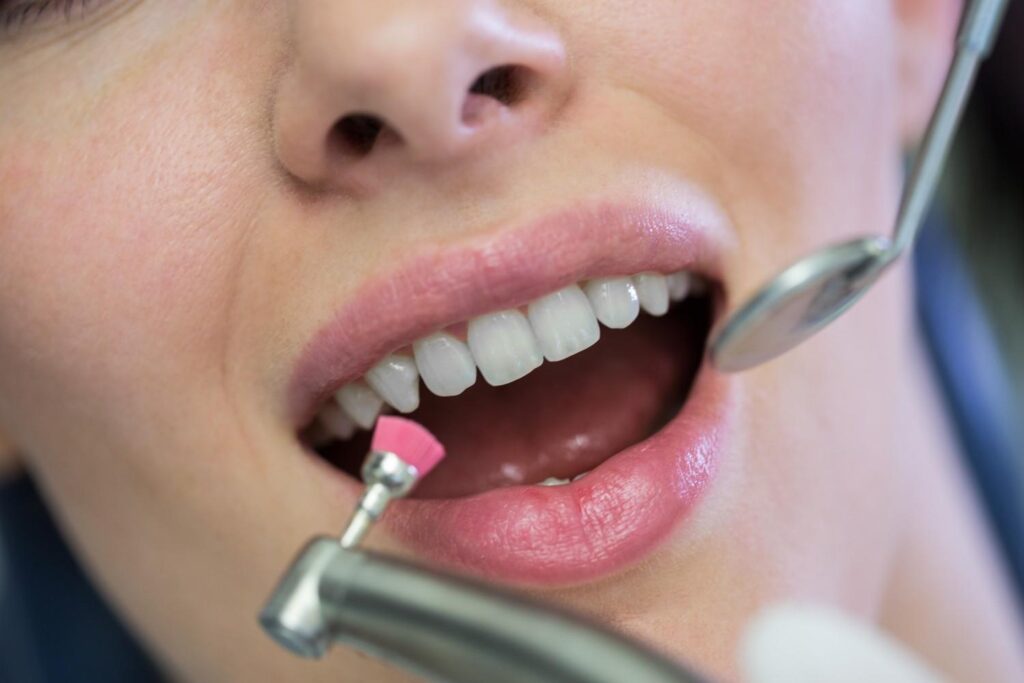
Deep cleaning is a special type of dental treatment meant to remove plaque, tartar, and bacteria from under your gums—places you can’t reach with your toothbrush or even a regular cleaning.
Dentists usually recommend deep cleaning if you’re dealing with gum disease, sometimes called periodontal disease.
What Happens During Deep Cleaning?
There are two main steps.
1. Scaling
This part removes hardened tartar, plaque, bacteria—basically all the gunk—from above and below your gums. Dentists use ultrasonic cleaning tools, hand scalers, or both. The idea is to clean your tooth all the way down to the root.
2. Root Planning
After the “scraping” (scaling), your dentist smooths out your tooth roots. Smooth roots make it much harder for bacteria to stick and let your gums heal and reattach. Imagine sanding down a rough board before putting on a coat of paint—it’s the same idea.
Why Is Deep Cleaning Important?
Gum disease is sneaky. Tons of people have it and don’t even know—there’s often no pain at first. Maybe you notice some bleeding when you brush, puffy gums, bad breath, or sensitive teeth. If you ignore these, things get worse. Over time, bone can start to wear away, teeth can loosen, gums start to recede, and you can end up losing teeth.
Deep cleaning stops this chain of events. It’s a reset for your mouth before things go too far.
Is Deep Cleaning the Same as Regular Cleaning?
Short answer: no.
A regular cleaning is about prevention—keeping gum disease away. Deep cleaning is about stopping gum disease that’s already started. They’re totally different procedures.
Who Needs Deep Cleaning?
Your dentist might tell you that you need a deep cleaning if you have:
• Moderate gum disease or early periodontitis
• Heavy tartar under your gums
• Gum pockets deeper than 4 millimeters
• Bleeding gums or bad breath that doesn’t go away
• Gum recession or loosened teeth because of gum disease
Sometimes one deep cleaning is enough. Other times—especially if your gum disease is more advanced—you’ll need maintenance cleanings every few months.
Is Deep Cleaning Safe?
Absolutely. Dentists and dental hygienists do deep cleanings every day—it’s routine. After your treatment, your gums might feel a little sore or sensitive, maybe bleed a bit, but that’s pretty normal and usually clears up in a few days. The risk of not treating gum disease? Way worse than the actual procedure.
Signs You Need Deep Cleaning
The tricky thing? Gum disease doesn’t always hurt, especially at the beginning. By the time your teeth ache, your gums might already be in pretty bad shape. Here are some big red flags to watch out for:
1. Bleeding Gums
If you notice blood whenever you brush or floss, take it seriously. Healthy gums shouldn’t bleed all the time.
2. Swollen or Red Gums
Gums should be firm and pale pink, not red or puffy. Swelling means bacteria are already causing trouble.
3. Persistent Bad Breath
If mouthwash and toothpaste aren’t touching your bad breath, it could be bacteria hiding under your gums.
4. Gum Recession
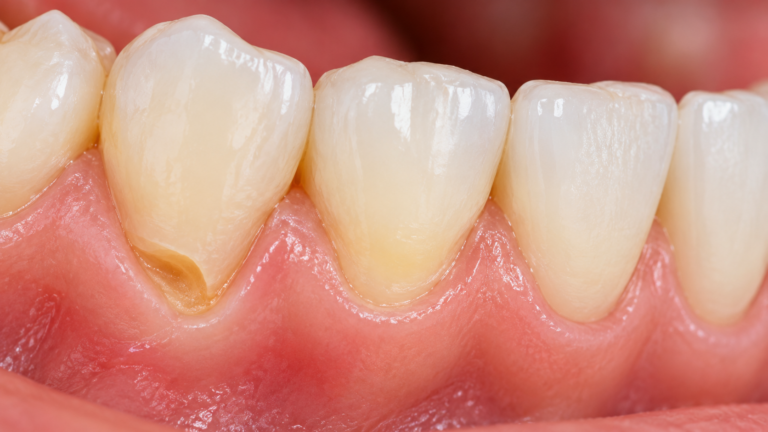
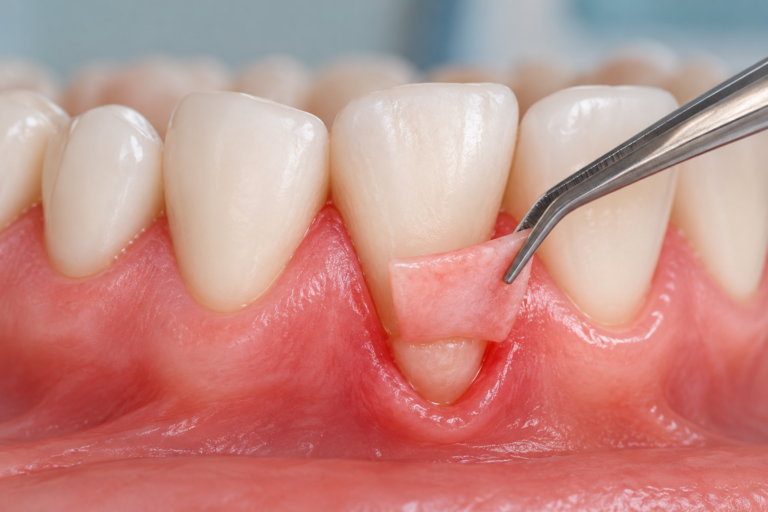
Teeth suddenly look longer? Your gums might be pulling back, which means the roots of your teeth are exposed—a pretty common sign of gum disease.
5. Loose Teeth
As the disease gets worse, bone and support around your teeth break down, so teeth start wiggling or shifting.
6. Deep Gum Pockets
During your checkup, dentists measure the space between your teeth and gums. Healthy is 1–3 mm. If it’s 4 mm or more, that’s a problem.
7. Heavy Tartar Buildup
Missed a few cleanings? Plaque hardens into tartar under your gums, and you can’t brush or floss it away on your own.
8. Diagnosed Gum Disease
If your dentist tells you that you have gingivitis that won’t go away, early periodontitis, or anything more advanced, deep cleaning is often the first thing they’ll recommend.
Deep Cleaning vs. Regular Cleaning: What’s the Difference?
Let’s lay it out:
Regular Cleaning: Prevents problems, cleans just above the gumline, usually one quick visit, no numbing, done every six months.
Deep Cleaning: Treats existing gum disease, goes below the gumline, usually takes two visits (sometimes more), local anesthesia often used, only done when needed.
Step-by-Step: What Happens at a Deep Cleaning Visit?
If you’ve never had one, the idea might make you anxious. Here’s what usually happens:
Step 1: Dental Exam
The dentist checks your teeth and gums—measures pockets, looks for loose teeth, checks for tartar, maybe takes x-rays.
Step 2: Numbing
You’ll likely get a numbing shot in the area they’re working on. You might feel some pressure, but most people say it doesn’t hurt.
Step 3: Scaling
This is the big cleaning—removing all the tartar and plaque above and below your gumline with special tools. It can take half an hour to over an hour, depending on how much buildup you have.
Step 4: Root Planning
Now the dentist smooths your tooth roots, so gums have a chance to reattach nicely.
Step 5: Rinsing and Medication
Sometimes they’ll rinse your gums with an antibacterial solution, put medication into any deep pockets, or prescribe antibiotics if the infection looks severe.
Step 6: Home Care Advice
Before you leave, you’ll get instructions—how to brush, floss, maybe rinse with salt water, stick to soft foods, avoid anything that hurts, and what to watch for.
Benefits of Deep Cleaning Teeth
You’re not just making your teeth look nicer—deep cleaning actually stops gum disease in its tracks. Here’s what you get out of it:
1. Stops Gum Disease
Shuts down the bacteria fueling gum infections and slows things from getting worse.
2. Less Bleeding
Once the gums heal, you’ll probably notice a lot less bleeding.
3. Better Breath
No more smelly bacteria hiding under your gums.
4. Helps Keep Your Teeth
Gum disease is the top reason adults lose teeth. Deep cleaning protects all those supporting tissues.
5. Reduced Swelling
Takes away that redness and puffiness, so gums are healthier.
6. Easier Brushing
Once tartar’s gone, you can actually clean your teeth better at home.
7. Healthier Overall
Gum disease is linked to health problems—like heart disease, diabetes, even problems during pregnancy. Deep cleaning helps lower inflammation in your body.
Can Deep Cleaning Damage Your Teeth?
Nope. If a dentist does it right, deep cleaning doesn’t mess up your healthy teeth. You might notice your teeth look longer when your gums heal and shrink, but that’s just swollen tissue settling down, not damage.
How Much Does Deep Cleaning Teeth Cost?
Let’s be honest—people worry about money. Prices depend on where you are, how advanced your gum disease is, whether you have insurance, and how much of your mouth needs cleaning.
In general, here’s what you can expect in the U.S.:
• One quadrant (1/4 of your mouth): $150–$350
• Two quadrants: $300–$700
• Full mouth: $600–$1,600+
Your dental insurance, if you have it, might cover half or even more. It comes down to your plan and whether your dentist marks it as medically necessary.
Before and After: What Should You Expect?
Right after your deep cleaning, your gums might feel a little raw or sore, and you might see a little bleeding. Healing takes a few weeks, so don’t expect overnight magic.
Before the cleaning, typical problems are bleeding when brushing, swollen or red gums, stubborn bad breath, lots of tartar, deep pockets, and sometimes even loose teeth.
After the deep cleaning, with good care, most people see healthier pink gums, fresher breath, less bleeding, less puffiness, and gums that start to fit tighter. Your dentist will probably track those pocket measurements on future visits.
Frequently Asked Questions
Q. What’s deep cleaning for teeth, really?
It’s a dental procedure that clears out plaque, hardened tartar, and bacteria below your gums. The goal is to fix gum disease and get your gums healthy again.
Q. Do I really need a deep cleaning?
If your dentist sees signs of gum disease, deep cleaning is the best non-surgical way to treat it. Ignore gum disease, and you could be dealing with bone and tooth loss.
Q. How is deep cleaning different from a regular cleaning?
Regular cleaning is for the surface above your gums. Deep cleaning tackles bacteria and tartar under your gums and smooths out the tooth roots.
Q. Does it hurt?
Most people say no, because the dentist numbs your mouth. You might feel sore for a day or two afterward, but it goes away pretty quickly.
Q. How long does it take?
Usually, 45–90 minutes per appointment. Sometimes you need two visits—one for each side of your mouth.
Q. Can I eat after?
Yeah, just wait until your mouth isn’t numb. Stick to soft foods for the first day or so.
Q. How long do gums take to heal?
You’ll see initial healing in about a week, but full recovery might take four to six weeks.
Q. Will deep cleaning fix my bad breath?
If gum disease is to blame, deep cleaning often makes a big difference.
Q. Will it save loose teeth?
It can stabilize teeth if the gum disease isn’t too advanced. Teeth that already lost a lot of bone might need more help.
How to Avoid Gum Disease and More Deep Cleanings
The best approach: don’t let gum disease get started in the first place.
• Brush twice a day with a soft-bristled toothbrush for two minutes
• Don’t brush too hard—gentle circles are best
• Floss every single day (seriously, do it)
• Use interdental brushes, floss picks, or a water flosser if regular floss annoys you
• Try an antibacterial mouthwash, but don’t skip brushing or flossing
• Eat a diet high in healthy stuff—fruits, veggies, lean proteins, dairy, whole grains
• Get plenty of vitamin C, calcium, and vitamin D
• Cut back on sweets—they feed bacteria and lead to plaque
• Quit smoking—it’s one of the biggest villains for gum health
• Drink lots of water to keep your mouth clean and produce enough saliva
• See your dentist every six months for checkups and professional cleanings
Expert Tips for Healthier Teeth and Gums
• Replace your toothbrush every three to four months
• Clean your tongue—it’s a bacteria trap
• If you grind your teeth at night, ask about a mouthguard
• Don’t ignore bleeding gums
• After sweet snacks, rinse with water
• Keep up with your dentist’s advice after any deep cleaning
These small habits go a long way toward protecting your smile.
Final Verdict
There’s honestly no reason to be scared of deep cleaning. It’s a simple, proven way to knock out gum disease before things get out of hand. Most folks only feel a little soreness and get big benefits in return: less bleeding, healthier gums, less bad breath, and a much lower risk of losing teeth.
So if your dentist recommends one, that’s your chance to stop plaque and bacteria from causing bigger problems. Think of deep cleaning as routine maintenance for your smile—your gums are the foundation for your teeth, and a little extra care today means you’ll be flashing a healthy grin for years to come.