Most people figure loose teeth are just a kid thing. Losing baby teeth? That’s normal growing up. But if you’re an adult and suddenly notice your tooth feels loose—and it hurts too—it’s pretty scary.
Maybe it’s your front tooth, or maybe your back tooth acts up every time you chew. Sometimes you notice the pain gets sharper when you bite down, or maybe your gum starts to swell, bleed, or you get this weird clicking when your tongue touches the tooth. None of it feels right.
The thing is, a loose tooth doesn’t always spell disaster. If you catch the problem early, there’s often a way to save your tooth.
What’s Actually Going On With a Loose Tooth?
Your adult teeth should fit tightly into your jaw, anchored by tough little fibers called the periodontal ligament, and surrounded by healthy bone and gums.
Even when things are fine, teeth have a tiny bit of natural movement—less than a millimeter. That’s what helps cushion your bite. But when the “shock absorber” parts get damaged or break down, the tooth begins to really wobble.
Depending on why it’s happening, you might notice:
– Your tooth wiggles if you touch it
– Chewing feels different or kind of off
– Pain when you bite down
– Your tooth feels taller or has shifted
– You hear or feel a little “click” when you chew
– You can move it with your tongue
A lot of folks first notice the problem while brushing, flossing, or biting into something crunchy.
Is It Normal For a Loose Tooth to Hurt?
People often ask, “Is a loose tooth supposed to hurt?” For grown-ups, pain is pretty common—and it means something’s not right.
Pain usually means the area around the tooth is inflamed or hurt in some way. It can be bad or mild, but some questions pop up:
Is it normal for my permanent tooth to wiggle and be painful?
Pain happens because:
– The ligament is stretched
– The gum is infected
– Chewing puts pressure on injured tissue
– The nerve inside the tooth is irritated
– The bone is shrinking
– Sometimes there’s a hidden crack
If it’s really hurting, book a dentist visit soon. The faster you catch it, the better.
How Do Loose Teeth Feel?
Sometimes a loose tooth surprises you with zero pain—the only clue is a little wiggle. For others, it’s really uncomfortable. Here’s what you might notice:
– Tooth moves when you touch it or push with your tongue
– Sharp pain while chewing or biting down
– Gum swelling (swollen gum + loose tooth often points to gum disease)
– Bleeding from the gums, especially with brushing or flossing
– Tooth sensitivity to hot, cold, or sweet things
– Bad breath that just won’t quit
– Gums shrinking away from the tooth, showing more root
– Clicking feeling, like something’s loose when you chew
– Teeth drifting, creating weird new gaps
– Even pressing gently on the tooth can be painful
– Sometimes it’s bad enough to give you a headache—the strain travels
Why Does a Loose Tooth Hurt, Anyway?
Pain doesn’t always come from the tooth. Usually, the trouble starts with the supporting tissues—the gums, ligament, and bone—working like cement for a fence post. When the “cement” breaks down or gets thin, every bite hurts those tissues more. Common triggers are:
– Swollen, inflamed gums
– Infection
– Too much pressure from biting or chewing
– Cracks or hidden fractures
– Nerve irritation
– Injury or accident
– A bite that isn’t balanced
So What Causes Loose Teeth in Adults?
There’s no single answer. Several issues can make an adult tooth loose:
1. Gum Disease
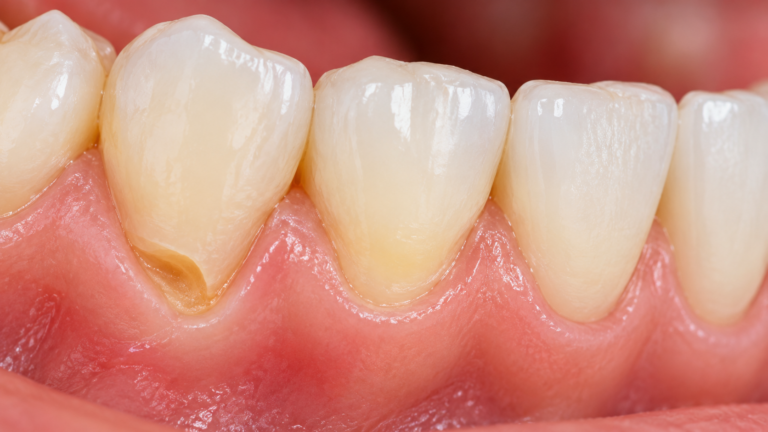
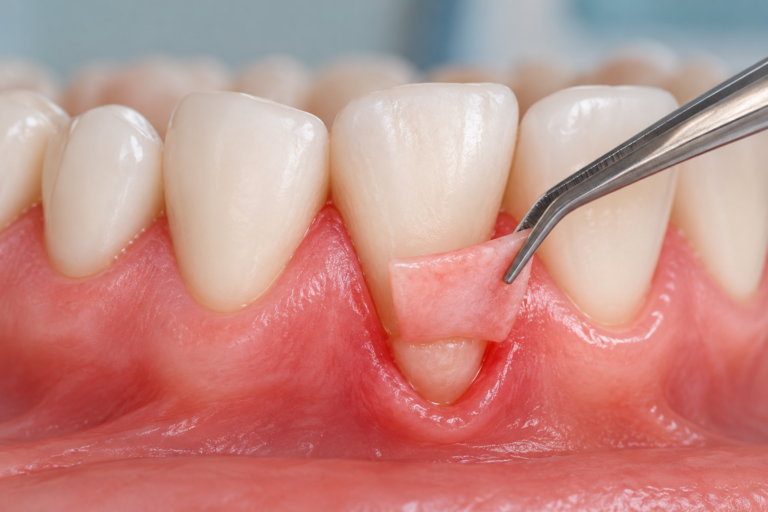
Gum disease tops the list. It typically starts as gingivitis—think red, puffy, bleeding gums and bad breath. If you don’t deal with it, it moves on to periodontitis, where bacteria start wrecking the bone. As bone disappears, teeth loosen and shift; gums recede, but many people don’t notice until things get bad.
2. Injury or Trauma
A spill, rough sports, car accident, or biting hard on something you shouldn’t (ice, olive pits, etc.) can shake a tooth loose. Sometimes it’s immediate, other times swelling kicks in after a day or two. Getting it checked quickly boosts your chances of keeping the tooth.
3. Teeth Grinding (Bruxism)
Many people grind or clench in their sleep, sometimes without realizing it. That constant pressure loosens teeth, wears down enamel, causes headaches, and makes your jaw sore. Some people think their teeth are loose, but it’s really inflammation from grinding.
4. Bite Problems (Occlusal Trauma)
If your bite is off, one tooth can take on too much force. That stretches its ligament and, over time, you get pain, looseness, and shifting. Dentists call this “occlusal trauma.” Fixing your bite often makes things better.
5. Tooth Infection or Dental Abscess
When a cavity gets deep enough, bacteria can infect your tooth’s nerve and even the bone around it. This usually hurts—a lot. You might get facial swelling, a bad taste, maybe even a fever. These need a dentist ASAP.
6. Cracked Tooth
Teeth don’t need to snap in half to hurt. Tiny cracks from hard foods, grinding, old fillings, or accidents can make eating painful and leave the tooth feeling loose—or just plain off.
7. Osteoporosis
Bone loss doesn’t just affect your hips or spine—it can sneak into your jaw, too. While osteoporosis alone doesn’t usually loosen teeth, it makes gum disease progress faster. Visiting your dentist regularly as you get older? That’s key.
8. Hormonal Changes
Pregnancy hormones boost blood flow to the gums, sometimes making teeth a little wiggly. Usually it passes after birth, but if things don’t settle down, get checked—it can worsen any gum issues you already have.
9. Diabetes
High blood sugar weakens your body’s defenses, which boosts your risk for gum disease—one of the main reasons adults lose teeth. Keeping diabetes in check helps your mouth, too.
10. Smoking and Tobacco
Smoking cuts down blood flow to your gums and messes with healing, making gum disease sneakier and more aggressive. Smokers might miss the early signs until it’s late. Quitting helps your gums, your body—honestly, everything.

How to Prevent Loose Teeth
Prevention does the heavy lifting. You can’t dodge every accident, but you reduce the risk by keeping your gums and bones healthy. Here’s how:
- Brush properly, twice a day, but gently. Scrubbing harder doesn’t clean better—it can actually hurt you.
- Floss every day. Be careful not to snap it down into your gums. You want to scoop, not stab.
- See your dentist regularly. Checkups catch trouble early, and professional cleanings remove tartar you can’t handle at home.
- Play sports? Wear a mouthguard.
- If you grind your teeth, talk to your dentist about a nightguard.
- Quit smoking. It’ll make a world of difference.
- Eat well. Teeth love foods with calcium, vitamin D, C, protein, and phosphorous. Cut down on sugary snacks and drinks when you can.
- Keep chronic health conditions (like diabetes) under control. Your gums will thank you.
What to Eat (and Avoid) with a Loose Tooth
If it hurts to chew, stick to soft foods:
– Yogurt, cottage cheese, oatmeal
– Scrambled eggs, mash, avocado, bananas, applesauce
– Smoothies, soft fish, well-cooked veggies, soups, pasta, rice
Skip the hard, sticky, or crunchy stuff until you’ve seen a dentist:
– Hard candy or ice
– Popcorn, nuts, hard crackers
– Sticky sweets, tough or chewy meats
– Crusty bread, raw carrots, whole apples (slice them up instead)
How Long Does Healing Take?
There’s no one-size-fits-all answer, but here’s the general idea:
– Minor injury: usually a couple of weeks with care
– Grinding-related looseness: several weeks after easing up
– Gum disease treatment: swelling might ease in days, but total healing takes weeks
– Splinting: usually a few weeks of support, then reassessment
– Periodontal surgery: could be several months
If you’ve already lost bone, full recovery might not be possible—but good treatment can stop things from getting worse.
Quick Q&A
Q: My tooth feels loose. Should I wait to see if it gets better?
A: Don’t wait. Even if it’s not that painful, see a dentist. Early help really matters.
Q: My tooth feels loose and hurts. What should I do?
A: Stick to soft foods, avoid chewing on that side, keep it clean, and see your dentist soon. If it suddenly swells, hurts badly, or you get a fever, that’s an emergency.
Q: My front tooth is loose and hurts. Can it be saved?
A: Often, yes—especially if you catch it early.
Q: My back tooth hurts and feels loose. Is that serious?
A: Yes. Molars take a lot of bite force, and if one’s loose, it needs checking out right away.
Q: Is it normal for a permanent tooth to feel loose and hurt?
A: Nope. Permanent teeth shouldn’t wiggle or hurt—something’s wrong.
Q: Can stress make my teeth loose?
A: Not directly, but stress can make you clench or grind, which adds pressure and can make teeth feel loose.
Q: Why do my teeth suddenly feel loose and my gums hurt?
A: Could be advanced gum disease, abscess, trauma, inflammation, or bite problems. Don’t guess—get a dentist’s opinion.
Q: Can a loose tooth tighten up on its own?
A: Sometimes, if the cause was a minor injury and things heal. But if bone is lost, you’ll need treatment.
Q: Does a loose tooth always mean you’ll lose it?
A: Not at all. Dentists fix these issues all the time—how things go depends on the cause, how soon you get help, and your oral health.
Q: Can you fix loose teeth?
A: Yes. Options include deep cleaning, gum treatment, splinting, bite adjustment, nightguards, root canals, even surgery or—if needed—tooth replacement.
Q: Should I check a loose tooth with my tongue?
A: Try not to. Poking or wiggling it can just make things worse.
Q: Can you prevent loose teeth?
A: Most of the time, yes—good hygiene, regular check-ups, avoiding tobacco, protecting your teeth during sports, and dealing with gum disease fast all help.
Final Thoughts
A loose, painful tooth as an adult is always a reason to pay attention—but it’s not a lost cause. Dentistry has plenty of ways to steady teeth and restore your smile. The key is acting quickly. If you notice a wiggly tooth, gum swelling, bleeding, or pain when you eat, don’t wait it out. See a dentist, find the cause, and you’ll have the best shot at keeping your teeth healthy and strong for years.
Your natural teeth can last a lifetime. With quick action, good habits, and regular dental care, they more than likely will.