Teeth might look tough and solid, but the real story is what’s going on inside. Deep at the center is a living tissue called tooth pulp. This pulp plays a bigger role than most people realize—it helps your tooth grow, keeps it nourished, allows you to feel sensations like hot and cold, and tries to defend against injury.
If you’ve ever had a deep toothache, sharp pain that sticks around, or that awful throb that gets worse at night, it might be your dental pulp reacting. Still, not every toothache means the pulp’s in trouble, and sometimes pulp problems sneak in quietly with little to no pain at all.
Knowing what’s inside your tooth can help spot problems early and make sense of treatments your dentist suggests—whether that’s just a simple filling, a special pulp therapy, or a root canal.
What’s Tooth Pulp, Anyway?
The pulp of the tooth (also called dental pulp or pulp tissue) is the soft stuff tucked right at the core. This tissue contains blood vessels, nerves, immune cells, some connective tissue, and special cells called odontoblasts.
Basically, dental pulp is the middle management of your tooth—it guides development, keeps tissue alive, and helps your tooth respond to trouble.
So if you ever wondered what really sits inside your teeth, it isn’t just a hollow space. That central chamber is alive, surrounded by hard dentin and protected on top by strong enamel.
Picture it this way: a tooth’s built like a little fortress. Enamel shields the outside, dentin adds structural support, and the pulp does all the behind-the-scenes work to keep everything running.
Is the Inside of a Tooth Soft?
Yep, at the very center, teeth are soft. But most of a tooth is hard stuff.
Four key tissues make up a tooth:
– Enamel: The hard white coating you see on the crown.
– Dentin: Thicker, yellowish layer under the enamel that surrounds the pulp.
– Dental pulp: That soft living tissue at the core.
– Cementum: Protects the tooth root below the gumline.
The pulp’s job gets easier because dentin and enamel work like bodyguards. But if you get a deep cavity or crack, bacteria and irritants can reach the pulp, causing all sorts of problems.
Anatomy of Dental Pulp: Pulp Chamber and Root Canals
Inside your tooth is a space called the pulp cavity. This runs right into the roots, so the pulp extends from the top (the crown) through the roots down into the jaw.
The pulp chamber sits up in the crown—it’s like the main room, full of nerves, blood vessels, and connective tissue. Surrounding it, there’s dentin, and up top—enamel. Dentists talk about the walls, ceiling, and floor of this space, especially on molars, since that’s where root canals branch off.
Those root canals are narrow passages. The pulp continues down them, bringing along its blood supply and nerves, connecting to the tissues around the root tip.
Sometimes, you’ll hear dentists use different terms—pulp cavity, pulp chamber, pulp space—but basically, the chamber means the central space in the crown, and the cavity includes both the chamber and root canals.
So What Does the Dental Pulp Do?
The pulp keeps your tooth alive and healthy. Here’s how:
1. Dentin Formation
Odontoblasts, the “builders” in the pulp, make dentin—the tough substance under your enamel. They build dentin while the tooth forms, and even later in life if the tooth gets irritated.
2. Nutrition
Blood vessels bring in oxygen and nutrients to feed the cells living in the pulp. Sure, enamel and dentin are hard and lifeless, but the pulp’s lifeline makes sure the hard parts stay healthy.
3. Sensation
Nerves in the pulp let you feel things—maybe too well. That’s why a cavity or exposed tooth can make you jump with a jolt from hot or cold foods.
4. Defense and Repair
The pulp hosts immune cells and can help form more protective dentin if needed. Still, its defenses only go so far. Once bacteria get in deep, you might end up needing more-than-basic dental help.
What’s Dental Pulp Made Of?
Dentists study pulp under the microscope (that’s pulp histology). Here’s what they see:
– Blood vessels: For nutrients and oxygen.
– Nerve fibers: For sensing temperature and pain.
– Fibroblasts: Help build the framework.
– Odontoblasts: Build dentin.
– Immune cells: Guard against infection.
– Collagen fibers: Provide support.
Despite the term “fibrous tissue tooth,” pulp is more than just threads—it’s rich, loose connective tissue with plenty of cells and blood flow.
Pulp doesn’t develop from the same tissue as enamel. Most of it comes from the dental papilla (a specialized tissue from the early stages of tooth development).
Common Problems Hitting the Tooth Pulp
A lot can go wrong in there—pulp can get inflamed, infected, die off, or even turn a bit stony.
Pulpitis: Inflamed Pulp
Deep cavities, cracks, or even dental work that’s too close can inflame the pulp—this is pulpitis.
– Reversible pulpitis means, with early treatment, the pulp can bounce back. Remove the cause (like decay), and the tooth often heals.
– Irreversible pulpitis isn’t so forgiving. At this point, just filling the tooth isn’t enough. You’ll probably need something more involved, like a root canal.
Signs can include:
– Short sensitivity to cold or sweet that lingers.
– Pain lasting after the trigger’s gone.
– Toothache that wakes you up.
– Spontaneous, throbbing pain.
Symptoms aren’t always textbook, so your dentist needs to check before deciding what’s best.
Pulpal Necrosis: Dead Pulp
If the pulp can’t recover, it eventually dies—this is called pulpal necrosis. A dead pulp won’t react to temperature tests anymore, but the tissue around the root can still get inflamed and cause pain or abscesses.
Sometimes the only sign is a darker tooth or mild pain when chewing. At this stage, root canal treatment might save the tooth; otherwise, extraction could be needed.
Pulp Stones
These are tiny bits of calcification inside the pulp chamber or canals. Usually, they don’t cause any trouble, but if you need a root canal, they can make things trickier by blocking the path.
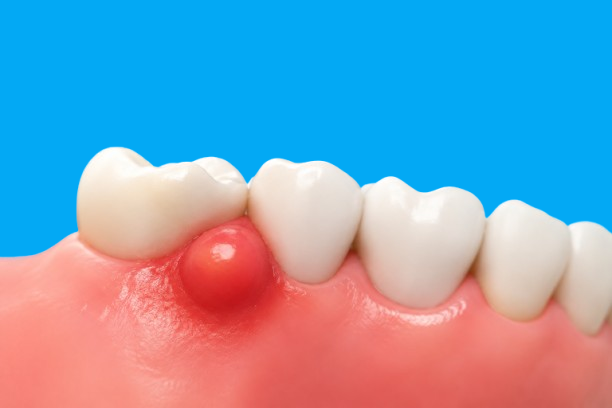
Pulp Polyp
A pulp polyp is an overgrowth of inflamed tissue poking out of a cavity, often in a child’s back molar that’s been left open. It looks like a reddish blob inside the cavity that may bleed if touched.
Dentists need to check for this, since other things can look similar, and the right treatment depends on whether the pulp and tooth can still be saved.
How Do Dentists Figure Out If the Pulp’s in Trouble?
They’ll ask about your symptoms—when they start, if they come and go, what sets them off. They might do cold or electric tests to check if the nerves respond. Tapping on the tooth or asking you to bite down also gives clues.
Dental X-rays help spot deep decay or changes around the root, but early pulp damage might not show up there. Sometimes, after trauma, the pulp’s condition doesn’t reveal itself right away, so follow-up checks might be needed.
How Do Dentists Treat Damaged Pulp?
Treatment really depends on how bad the damage is and whether enough healthy tooth can be saved.
1. Filling a Cavity
For mild decay, the dentist cleans out the bad spot and fills the hole. If the pulp wasn’t seriously harmed, this usually does the trick.
2. Vital Pulp Therapy
If the pulp is still partly alive, dentists try to keep it that way. They might use treatments like indirect pulp capping, direct pulp capping, or a pulpotomy (removing just the upper part of the pulp). They’ll only do this if the conditions are just right.
3. Root Canal
When the pulp’s too far gone (irreversibly inflamed or dead), a root canal is next. The dentist numbs your tooth, opens it up, clears out the pulp, cleans and shapes the canals, then seals everything. Afterward, they restore the tooth with a filling or a crown.
4. Tooth Extraction
If the tooth is just too damaged, sometimes the only choice is to take it out. Your dentist will talk you through replacement options if needed.
Pulp Cavities: Kids’ and Adults’ Teeth
Both baby (primary) and adult (permanent) teeth have pulp, but their size changes. Kids’ teeth have big pulp chambers and thin dentin—so cavities reach the pulp fast. As teeth mature, dentin builds up and pulp chambers get smaller.
Older adults can have really narrow pulp chambers from years of dentin formation or calcification, which can make root canals more challenging. A tiny pulp chamber isn’t always a sign of disease; dentists look at your whole history and symptoms before deciding.
FAQ About Tooth Pulp
Q. What keeps a tooth alive?
Blood vessels in the pulp bring nutrients and oxygen. Nerves let you feel temperature changes, and dentin shields the pulp from everyday wear.
Q. What’s the name for injured and swollen dental pulp?
That’s pulpitis—inflamed dental pulp. Whether or not it recovers depends on how bad the inflammation is.
Q. What’s the term for tooth pulp bleeding?
Pulpal bleeding. Bleeding alone doesn’t say much—your dentist will check more carefully.
Q. What’s a pulpal stump?
That’s what’s left of the pulp after a piece is removed, usually in procedures like a pulpotomy.
Q. Can dental pulp always be found in burned bodies?
No. If the temperature’s high enough, soft tissues—including pulp—can be destroyed. It really depends on the details of what happened.
Q. What does anachoresis of pulp mean?
It’s an old idea that bacteria can travel through blood into inflamed tissues like the pulp. Not the main way pulp gets infected, though.
Q. Can a tooth survive without its pulp?
Yes. Once a tooth is fully grown, it can function after a root canal removes the pulp—as long as it’s properly sealed and maintained.
Final Thoughts
The pulp is the engine room of your tooth—full of nerves, blood vessels, and cells that keep things functioning. But it’s also vulnerable. Deep cavities, trauma, or infection can get in and cause a lot of trouble. Treatments range from fillings to pulp therapies, root canals, or extraction.
If you have ongoing toothache, sensitivity that doesn’t quit, swelling, or your tooth changes color after an injury, don’t wait—make that dental appointment. Getting help early really does boost your chances of saving your tooth and keeping your mouth healthy.
Sources & Further Reading
1. Cleveland Clinic. Tooth Pulp: What It Is and What It Does.
https://my.clevelandclinic.org/health/body/24659-tooth-pulp
2. Healthline. Tooth Pulp: Function and What Can Affect It.
https://www.healthline.com/health/tooth-pulp
3. Merck Manual Professional Edition. Pulpitis.
https://www.merckmanuals.com/professional/dental-disorders/common-dental-disorders/pulpitis
4. American Academy of Pediatric Dentistry (AAPD). Pulp Therapy for Primary and Immature Permanent Teeth.
https://www.aapd.org/globalassets/assets/1/7/g_pulp.pdf