
Pretty much everyone deals with a toothache sooner or later. Sometimes it’s just a mild twinge that goes away after brushing, but other times it’s brutal—so bad you can’t eat, sleep, or think straight.
A toothache isn’t a disease by itself. It’s a warning sign. Something’s wrong with your tooth, gums, jaw, or even another part of your body. The most common culprits are cavities and gum disease, but weirdly, tooth pain sometimes ties back to things like sinus trouble, jaw joint issues, nerve problems, or in rare cases, even heart conditions.
A lot of people try to tough it out, hoping the pain disappears. But dental issues usually get worse, not better, if you ignore them. What starts as a tiny cavity can turn into a nasty infection, and a small crack in your tooth can unleash real nerve pain.
What’s a Toothache, Exactly?
Dentists call it “odontalgia”—that’s just a fancy word for pain coming from a tooth or the tissues around it.
Inside your tooth is a soft core called the pulp, packed with nerves and blood vessels. When these nerves get irritated or infected, they send pain signals straight to your brain. That’s why even a small cavity sometimes hurts like crazy.
Toothaches can feel different depending on what’s going on. For some people, it’s a sharp stab when they bite down. Others get a dull, constant ache or throbbing pain that messes with sleep. Some teeth hurt when they touch cold water or hot coffee, others feel pressure when chewing, or the pain spreads into the jaw, ear, or neck.
Sometimes, the pain hits several teeth, not just one. Teeth grinding, gum disease, sinus infections, and enamel loss can cause this.
Here’s the tricky part: the location of the pain isn’t always where the actual problem is. Dentists check all the nearby teeth, gums, and jaw before making a call.
Why Do Teeth Hurt?
If you ask most dentists, the primary cause of toothaches is simple: tooth decay.
Cavities happen when bacteria munch on leftover sugars. They produce acids that slowly eat away the enamel, the protective shell of your teeth.
At first, nothing feels off. Once the decay goes deeper, you start noticing symptoms:
– Sensitivity to sweets
– Pain with hot or cold drinks
– Ache while chewing
– Maybe a visible hole or dark spot on the tooth
If left alone, decay can reach the nerve deep inside the tooth. That’s when it really hurts, and sometimes leads to infection.
Of course, cavities aren’t the only cause.
Other reasons your teeth might hurt include:
– Cracked or broken teeth
– Gum disease
– Worn-down enamel
– Grinding your teeth (bruxism)
– Dental abscesses
– Impacted wisdom teeth
– Sinus infections
– Jaw joint disorders (TMJ)
– Nerve pain
– Dental work gone wrong
With so many different causes, diagnosing it yourself is tough. Dentists are usually your best bet for figuring it out quickly.
Common Causes of Toothaches
Understanding why your tooth hurts is half the battle in getting it fixed. Here are the big ones people deal with:
1. Tooth Decay
This is the number one cause, hands down. When bacteria sit on your teeth long enough, they create acids that eat away enamel. Once the decay hits the dentin and pulp, pain kicks in.
Look for:
– Sensitivity to sugar
– Pain while chewing
– Visible cavity or hole
– Bad breath
– Persistent ache
2. Dental Abscess
This is basically a pocket of pus—a full-blown infection.
Abscesses tend to hurt a lot because pressure builds up in the area.
You might notice:
– Severe throbbing pain
– Swollen gums
– Fever
– Foul taste
– Facial swelling
– Trouble swallowing
If ignored, an abscess can spread, and in rare cases, become life-threatening.
3. Cracked or Broken Tooth
Even tiny cracks can expose sensitive tissue inside the tooth. Pain usually flares up with chewing, releasing bite pressure, drinking cold stuff, or eating sweets. Tough to spot without an X-ray.
4. Gum Disease
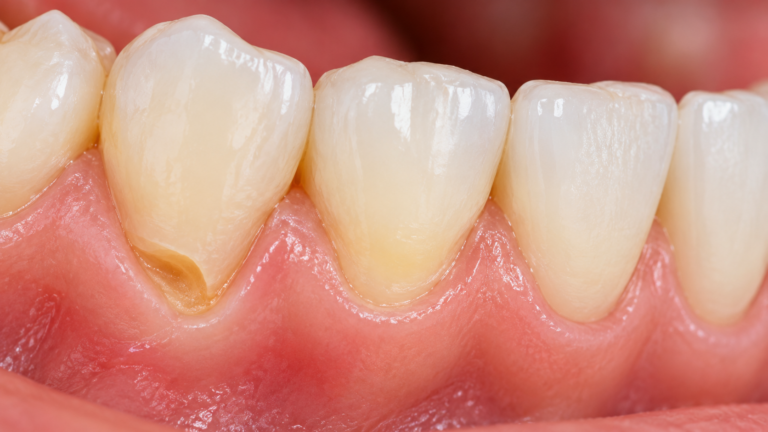
Healthy gums shield tooth roots, but when gums get inflamed, they pull away, exposing the roots.
Symptoms:
– Bleeding while brushing
– Swollen gums
– Loose teeth
– Bad breath
– Tooth sensitivity
If untreated, advanced gum disease can make you lose teeth.
5. Teeth Grinding (Bruxism)
Lots of folks grind their teeth at night and don’t even realize it.
Long-term grinding causes:
– General tooth pain
– Morning jaw soreness
– Headaches
– Worn enamel
– Cracks
A night guard can help if you’re a grinder.
6. Worn Enamel
Acidic drinks, rough brushing, and aging all stick together to wear down enamel. With less protection, nerves are more exposed, so you’ll feel pain from cold, hot, sweet foods, or even just breathing winter air.
7. Sinus Infections
Upper molars sit right under your sinuses. When sinuses get inflamed, the pressure pushes on tooth roots. It’s easy to mistake this for dental pain.
What you’ll notice:
– Pain in multiple upper teeth
– Pressure in the face
– Stuffy nose
– Headache
– Pain when breathing in through your nose
Fixing the sinus infection usually solves the tooth pain.
8. Impacted Wisdom Teeth
Not enough space for wisdom teeth? They push against neighbors, trap food, spark gum infections, cause jaw pain, and swelling—often the answer is extraction.
How Do You Know You Have Tooth Pain?
You’ll probably feel a toothache, but pinpointing which tooth—or even if it’s a tooth at all—can be tricky. Sometimes jaw pain, ear pain, or sinus pain feels like it’s coming from your teeth.
Keep an eye out for these signs:
– An ache or throbbing pain that won’t quit
– Sharp pain when you chew or bite down
– Teeth freaking out over hot, cold, or sweet foods
– Pain that yanks you out of sleep
– Gums around the tooth getting swollen or sore
– Bad breath or a funky taste in your mouth
– Your tooth hurts when you brush or floss
– Pain that spreads to your jaw, ear, or even your temple
Notice what triggers it. Biting down? Cold drinks? That can help hint at the real problem.
What Causes Tooth Nerve Pain?
If you’ve ever had nerve pain in your teeth, you know it’s intense. Feels like electric shocks, stabbing, burning, or sudden sharp bursts—sometimes out of nowhere.
Common causes:
Deep Decay
Bacteria irritate the nerve at the tooth’s core.
Cracks
Tiny cracks mean the inside moves, triggering nerve pain with every bite.
Exposed Roots
When gums recede, roots get exposed and react like crazy to temperature and sweets.
Dental Trauma
A hit to the mouth can damage the nerve even if the tooth looks fine.
Grinding
Grinding wears away enamel over time, exposing nerves.
Oddly enough, if the nerve dies, the pain may stop. But that’s actually bad news—the infection could keep spreading silently.
How Dentists Diagnose Toothaches
Sure, you can Google symptoms, but dentists have a reliable system.
First, they ask about your history:
– When did it start?
– Is the pain constant or on-and-off?
– What makes it worse?
– Any recent dental work?
– Does hot/cold trigger the pain?
– Any swelling or fever?
That helps narrow things down.
Next, they:
– Check for cavities, cracks, swollen gums, broken fillings, tooth wear, signs of infection
– Tap on teeth with a dental instrument to see if any hurt
– Test with cold/heat to judge nerve health
– Have you bite down on something soft to spot cracks
– Take X-rays to see hidden cavities, bone loss, abscesses, impacted teeth, root infections—or even cracks below the gumline
– Use 3D scans in tricky cases
When Should You Worry About Tooth Pain?
Not every ache is an emergency. But some red flags mean you shouldn’t wait.
Make a dental appointment if you have:
– Pain that lasts more than a day or two
– Sensitivity that keeps coming back
– Pain chewing
– Chipped or cracked tooth
– Bleeding or swollen gums
– Persistent bad breath
Go to emergency dental care if you notice:
– Severe facial or jaw swelling
– A knocked-out adult tooth
– Heavy bleeding after injury
– A broken tooth exposing the nerve
– A painful abscess
Get to the ER immediately if pain comes with:
– Chest pain
– Shortness of breath
– Pain spreading into shoulder or arm
– Fainting
– Confusion
– Trouble breathing or swallowing
Those could be signs of a medical emergency—not just a dental one.

How Are Toothaches Treated?
It all depends on what’s causing your pain. Dentists need to figure that out first.
Common fixes:
1. Dental Fillings
For early decay, the dentist cleans out the damaged part and fills the cavity. Simple, fast, effective.
2. Root Canal
If bacteria reach the tooth’s pulp, filling won’t cut it. The dentist removes infected tissue, cleans the canals, fills them, seals the tooth, and often covers it with a crown for extra protection. It might sound scary, but modern root canals aren’t nearly as bad as their reputation.
3. Dental Crowns
Crowns are custom caps placed on top of damaged teeth—used for big cavities, cracks, weak teeth after root canal, or teeth suffering from excessive wear.
4. Tooth Extraction
Sometimes, the tooth’s beyond saving. Extraction helps if you’ve got a deep fracture, impacted wisdom tooth, serious gum disease, or infection. Dentists talk replacements afterward—implants, bridges, partial dentures, whatever suits.
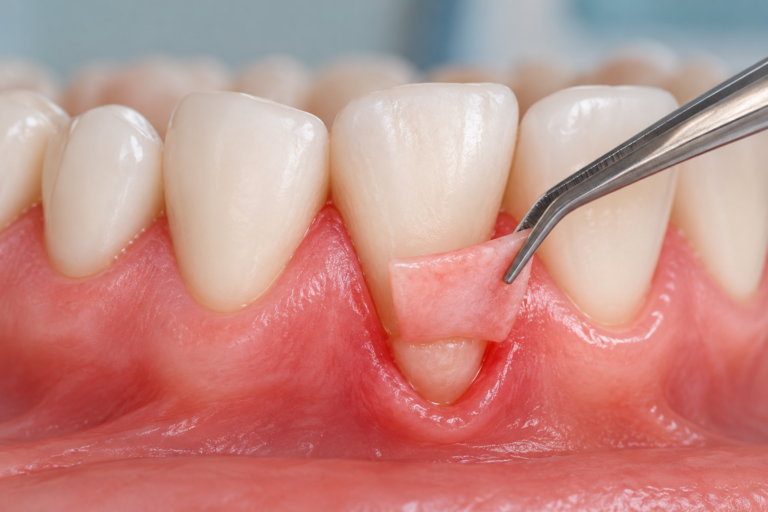
5. Gum Disease Treatment
If the pain’s from gum disease, treatment could mean deep cleaning, better brushing/flossing, antibacterial rinses, special therapy, and regular checkups.
6. Antibiotics
People often think antibiotics cure toothaches. They don’t—they fight infection, but won’t fix decay or cracks. Dentists only prescribe them for infections that have spread, swelling, fever, weak immune system, or when immediate dental care isn’t possible.
Home Remedies to Manage Pain Until You See a Dentist
These tricks can offer temporary relief, but you should still see a pro.
Rinse your mouth with salt water—just mix a teaspoon of salt into a cup of warm water, then swish it around for about 30 seconds. For swelling, press a cold pack against your cheek for 15 to 20 minutes every few hours. If you need pain relief, take ibuprofen or acetaminophen, but be sure to follow the directions on the packaging. Keep things clean in your mouth by brushing and flossing gently—don’t let food hang around and bother your gums. And steer clear of anything that’ll make things worse, like ice-cold drinks, hot beverages, sticky or hard foods, and sugary snacks.
Can You Prevent Toothaches?
Definitely. Most toothaches are preventable with simple daily habits.
– Brush twice a day with fluoride toothpaste for at least two minutes.
– Floss daily. It gets what your toothbrush misses.
– Cut back on sugar. Less sugar, fewer cavities.
– Drink water often—great for rinsing away food and keeping saliva healthy.
– Wear a night guard if you grind your teeth.
– See your dentist regularly. Early checkups catch problems before they hurt.
Frequently Asked Questions
Q. Can stress cause tooth pain?
Absolutely. Stress can make you grind or clench your teeth, tense jaw muscles, and all of that leads to discomfort.
Q. Why does my tooth hurt at night?
Pain usually gets worse at night because lying down increases blood flow to your head, pumping up pressure around an inflamed tooth.
Q. Can sinus infections feel like toothaches?
Yep. Inflamed sinuses put pressure on the roots of upper back teeth—feels just like dental pain.
Q. Why do sweets make my teeth hurt?
Sugar can reach exposed dentin or irritated nerves inside a damaged tooth, triggering pain. This commonly happens with interproximal cavities or worn tooth enamel.
Q. Can a cracked tooth heal itself?
Nope. Teeth aren’t like bones—enamel doesn’t repair itself. You need a dentist to fix a crack.
Q. Is every toothache caused by a cavity?
No way. Gum disease, cracks, grinding, sinus problems, jaw issues, exposed roots, and referred pain can all cause toothaches.
Final Thoughts
A toothache is your body’s way of saying, “Hey, pay attention!” Cavities and gum disease are big causes, but cracked teeth, infections, sinus trouble, nerve irritation, and referred pain can also play a role.
Don’t ignore pain. Early treatment is simpler, cheaper, and works better. If your toothache lasts more than a day or two, keeps getting worse, or comes with swelling, fever, trouble swallowing, or chest pain, see a dentist or doctor without delay.
Healthy teeth do more than make your smile shine—they help you eat well, speak clearly, feel confident, and stay healthy overall. Brush and floss, limit sugar, and make those dental visits a habit. With a little effort, you can dodge most toothaches and keep your smile going strong for years.




[…] you’re dealing with tooth pain, visible holes, sensitivity, swelling, or a broken tooth—don’t count on baking soda. Go see […]