
Are your gums feeling sore lately? Maybe they hurt when you brush, bleed during flossing, or get puffy when you eat. It’s easy to brush off gum pain as something minor, but honestly, it’s usually your body’s way of waving a red flag.
Healthy gums are the foundation for strong teeth and a confident smile. When your gums are inflamed or infected, simple things—eating, drinking, even talking—start feeling uncomfortable. Sometimes it’s because you brushed too hard or there’s something stuck between your teeth. Other times, it’s an early warning sign that you’re dealing with gum disease, an infection, or another oral problem that actually needs some attention.
The upside? Most mild gum pain improves with good oral hygiene and a few simple tricks at home. But if you’re dealing with heavy pain, swelling, bleeding, or notice pus, don’t wait around—those are signals you need a dentist on your side.
What Is Gum Pain?
Gum pain is that ache, tenderness, or soreness in the soft tissue around your teeth. It might be in one spot, or your whole mouth could feel tender. Sometimes the pain is dull and annoying; sometimes it flares up and makes eating or talking a hassle.
Healthy gums are firm, pink (though natural pigment is fine), not swollen, and don’t bleed when you brush or floss.
But when bacteria, plaque, injuries, or inflammation mess with your gums, your body overreacts. Your immune system sends extra blood and protective cells, and suddenly you’re dealing with redness, puffiness, and pain.
Everyone experiences gum pain a little differently—some feel a lingering ache, others sharp or throbbing pain, and it can hit just one tooth or stretch across your gums.
Sure, gum pain is common. But if it’s not clearing up after a few days, don’t ignore it.
Common Gum Pain Symptoms
Gum pain rarely comes alone. It usually brings friends:
– Puffy or swollen gums
– Red or dark red color
– Bleeding when you brush or floss
– Gums that are sore to the touch
– Pain with chewing
– Bad breath that won’t leave
– Sensitive teeth
– Mouth sores or ulcers
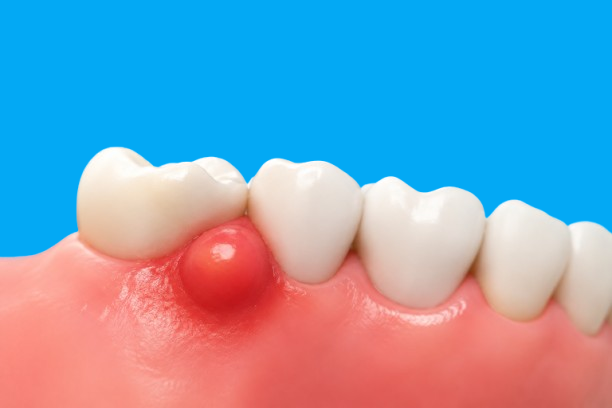
– Pus near a tooth
– Loose teeth with more serious gum disease
The mild stuff usually gets better with good care. But if things escalate—like a fever, face swelling, or gums that won’t stop bleeding—call your dentist.

Why Do My Gums Hurt?
Gum pain has a bunch of causes. Figuring out the “why” helps you fix it.
1. Gingivitis
This is a super common culprit. Gingivitis shows up when bacteria form sticky plaque along your gumline.
Typical signs:
– Bleeding gums
– Redness
– Mild puffiness
– Bad breath
– Tenderness
The good news is, catch it early, brush and floss right, get a dental cleaning, and gingivitis backs off.
2. Periodontitis
Let gingivitis fester and you get periodontitis—a tougher, more serious gum disease. It attacks the tissues and bone that keep your teeth in place.
Watch for:
– Receding gums
– Loose teeth
– Bad breath that sticks around
– Pain when chewing
– Deep pockets between your teeth
You’ll need a dentist to break the cycle here—home care alone won’t cut it.
3. Food Stuck Between Teeth
Sometimes, something as basic as a popcorn shell or a meat strand gets wedged between teeth. This can mean sharp pain, swelling, redness, and tenderness. Usually, gently flossing loosens it up (just don’t poke with sharp tools or you’ll do more harm).
4. Brushing Too Hard
It’s a myth that brushing harder means cleaner teeth—if anything, it just tears up your gums. This leads to soreness, bleeding, and more sensitive teeth. Stick with a soft brush and gentle, circular motions.
5. Mouth Ulcers (Canker Sores)
Little mouth ulcers can pop up on your gums and make life miserable for a week or two. Triggers include stress, tiny injuries, acidic foods, hormone changes, or vitamin deficiencies. They usually heal on their own.
6. Wisdom Teeth
Wisdom teeth often mess with your gums, especially if they only partially come in. Food and bacteria collect around them, leading to swelling, tenderness, or even infection. If you’re dealing with repeat or severe pain here, get a dental check.
7. Vitamin Deficiencies
Your gums need nutrients, plain and simple. If you’re not getting enough vitamin C, D, B12, iron, or folate, your gums can get sore, bleed, or swell up. So, stick with a balanced diet—think fruits, vegetables, dairy, and lean proteins.
8. Hormonal Changes
Puberty, menstruation, pregnancy, menopause—hormone shifts make your gums extra sensitive. During these times, brush and floss carefully to keep inflammation in check.
Home Remedies for Gum Pain
A lot of people want a quick fix before the dentist. If your gum pain is mild, a few home remedies can take the edge off—just know they’re no replacement for real dental treatment if you’ve got a bigger problem brewing.
1. Warm Salt Water Rinse
Super simple, really effective. Warm salt water reduces bacteria, calms swelling, cleans the area, and encourages healing. Mix a teaspoon of salt into a cup of warm water, swish for about 30 seconds, spit, and repeat 3–4 times a day.
2. Cold Compress
A chilled pack (or ice cubes in a towel) pressed to your cheek can numb the pain and cut down swelling. Stick to about 15 minutes. Never put ice right on your gums.
3. Brush Gently
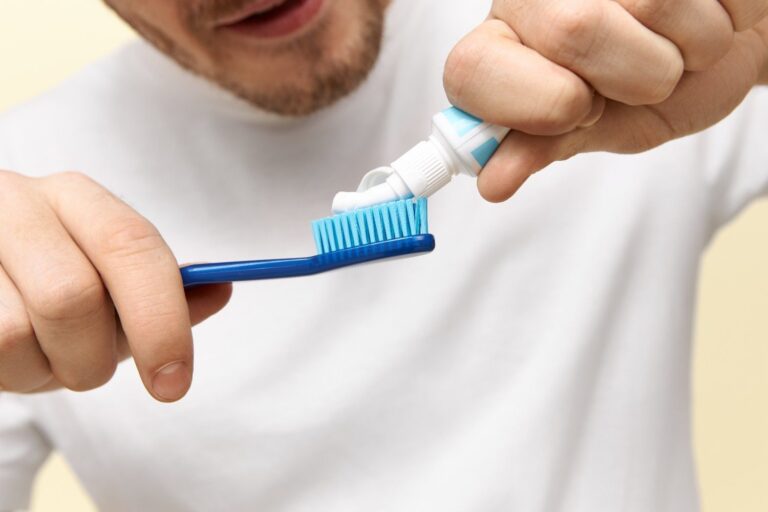
Skipping brushing makes things worse. Just switch to a soft-bristled brush, use soft, circular motions, twice a day. This helps heal your gums while keeping your mouth clean.
4. Baking Soda Rinse
Baking soda helps neutralize acids and slows down harmful bacteria. Half a teaspoon in a cup of warm water is enough—swish once or twice a day. Don’t overdo it though, too much can irritate your gums.
5. Stay Hydrated
Water’s important. It helps your mouth produce enough saliva, which washes away leftover food and germs. If your mouth gets dry, gum issues usually get worse. So, keep sipping water throughout the day, especially after you eat.
6. Eat Soft Foods
Crunchy stuff makes sore gums hurt even more. These days, go for easy-to-eat options: yogurt, oatmeal, mashed potatoes, scrambled eggs, soup, bananas, applesauce, or smoothies. Give your mouth a break until you’re feeling better.
7. Drink Green Tea
Green tea has antioxidants that fight inflammation and support healthy gums. One or two cups of sugar-free green tea a day can help, but it’s not a replacement for brushing or seeing a dentist.
8. Aloe Vera Gel
Look for oral-safe aloe vera gel. It can calm irritated gums and might help with mild inflammation. Always use products labeled for inside the mouth.
9. Honey (In Moderation)
Honey fights bacteria and soothes, but because it’s sugary, rinse your mouth or brush after using it. And don’t give honey to kids under one year old.
What NOT to Do
Not every home remedy you hear about is safe—some can actually make things worse.
- Don’t put aspirin on your gums—it burns your tissue and makes pain worse.
- Avoid undiluted essential oils like clove or tea tree oil directly on your gums; they can burn or trigger allergic reactions.
- Don’t poke your gums with pins, toothpicks, or other sharp objects. You’ll hurt yourself and possibly start an infection.
- Don’t smoke—smoking slows healing and raises your risk for gum disease.
Over-the-Counter Pain Relief
If the gentle stuff isn’t helping, you can pick up OTC options to get by until you see a dentist.
– Pain relievers like ibuprofen, acetaminophen, or naproxen can help. Just follow the directions, and if you’re on other meds or have health issues, double-check with your doctor.
– Antiseptic mouthwashes can help clean your mouth and control mild gum inflammation—go for alcohol-free if your mouth’s sensitive.
– Oral pain gels numb your gums for short-term relief but should be used as directed and kept away from young kids unless it’s safe for them.
How to Prevent Gum Pain
Honestly, preventing gum trouble is easier than treating it. Here’s what works:
– Brush twice a day (at least two minutes, fluoride toothpaste, soft-bristled brush).
– Floss every day to get rid of stuff between your teeth.
– Clean your tongue with a scraper or your toothbrush.
– Eat a diet packed with vitamin C, vitamin D, calcium, iron, and omega-3s.
– Drink plenty of water and keep sugary drinks to a minimum.
– Swap out your toothbrush every three months (or sooner if worn out).
– Cut back on sweets—they feed the bacteria that attack your gums.
– See your dentist for regular cleanings and check-ups.
When to See a Dentist
Most cases of mild gum pain get better in a few days if you keep up with good oral hygiene. But don’t wait if you notice:
- Gum pain that lasts more than a week
- Swelling that won’t go away
- Bleeding that never improves
- Bad breath that sticks around
- Pus or loose teeth
- Pain with chewing
- Gum recession
- Mouth sores not healing after two weeks
And if you’re hit with facial swelling, trouble swallowing or breathing, or a high fever plus gum pain, get emergency care right away.
Conclusion
Gum pain is pretty common, but don’t blow it off. Most of the time, it comes from simple stuff—like plaque buildup, gingivitis, or mild irritation—and clears up with home care and better oral hygiene. Tricks like salt water rinses, gentle brushing, eating soft foods, and staying hydrated help a bunch.
But if things get serious—heavy pain, swelling, bleeding, pus, or loose teeth—make that dental appointment. Early help stops problems from turning major.
Best advice? Take care of your gums every day: brush, floss, eat right, see your dentist. Take care of your gums and your teeth will thank you, giving you a healthy smile and one less thing on your mind.




[…] it’s your gums, not the tooth, causing grief—think food trapped between teeth, gum inflammation, rough brushing, gum disease, or […]
[…] kicking, too. That means even with a crown, you’re not immune to toothaches, new decay, cracks, gum pain, or nerve […]
[…] different for everyone. Some say it’s a dull ache or gum pain, while others describe throbbing, tenderness, or pain with chewing or pressure. Early on, pressure […]
[…] adds resin to fill in space between teeth. But if the gap is big or caused by deeper issues (like gum problems or missing teeth), you’ll need more than […]