Ever spot a tiny notch or dent near your gums? Maybe your teeth zing when you drink something cold, or you’ve run your tongue over an odd little dip at the gumline. These changes aren’t random — and if you’re wondering what’s going on, you’re definitely not alone.
There are a few possible reasons for these gumline changes: abfraction, abrasion, acid erosion, gum recession, or even a mix of them. Learning what’s actually causing the damage matters, because you need the right fix for the real problem.
Here’s a clear guide to abfraction: what it is, where it comes from, how dentists figure it out, and what you can do to keep your teeth strong. We’ll go over how abfraction is different from abrasion and gum recession, and give you some tips to stop more wear in the future.
What is a Dental Abfraction?
Abfraction is just a technical term for tooth wear near the gumline that isn’t caused by cavities — think of it as the tooth’s response to repeated mechanical stress or force. You might hear people call them abfraction lesions or non-carious cervical lesions.
“Non-carious” means there’s no decay; “cervical” means the damage is right where your tooth and gum meet.
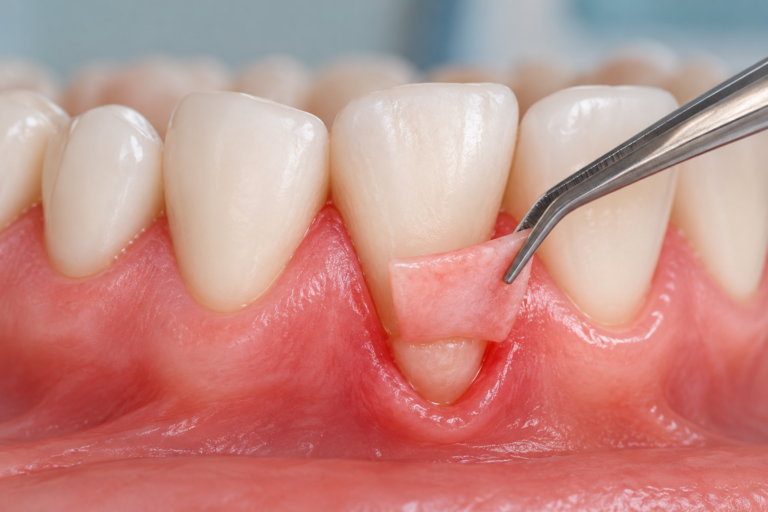
The classic sign? A small, V-shaped notch or wedge cut out of the tooth near the gum. Sometimes it’s shallow, sometimes deeper, and sometimes you can see the natural yellow of the dentin poking through beneath the surface.
Researchers think repeated biting forces make teeth flex, piling up stress at the gumline and eventually chipping away at the structure there. But the science isn’t settled — not every notch is an abfraction, and habits like rough brushing, acid exposure, and gum recession can cause similar marks.
So, “abfraction” describes a suspected *process,* not a visually obvious cause. Dentists can’t check a box on sight alone.
What Does Abfraction Look Like?
Abfraction shows up in a few ways, depending on where and how bad it is.
You might see:
– A tiny notch or groove close to the gumline
– A wedge- or V-shaped cut just above the gums
– Smooth, shiny, or hard-looking surfaces
– Exposed yellowish areas where the dentin lies bare
– Zaps of sensitivity to cold, hot, or sweet foods and drinks
– Changes in the contour of the tooth right near the gums
Some people have a single tooth with a notch, while others have several teeth sporting similar wear.
What Does a Divot at the Gumline Mean?
A divot or pit near the gumline could mean abfraction — but that’s just one option. Tooth abrasion, acid erosion, gum recession, or even decay might be the real culprit.
For example, say your gum has pulled away and left the root exposed. Over time, brushing or even just acid in your mouth can wear that spot down and form an indentation.
Dentists look at the shape and feel of the defect for clues, but only a real exam can give you a straight answer.
Causes of Abfraction
So — why does abfraction happen? The usual theory is it’s down to biting and chewing forces, but things are rarely that simple. Let’s break it down.
1. Grinding and Clenching (Bruxism)
Clenching or grinding your teeth, especially at night, puts heavy loads on them. This can flatten the tops, chip at the edges, or trigger soreness and headaches. It can create stress at the gumlines and maybe cause abfraction-type notches. But just grinding alone doesn’t guarantee abfraction, so dentists look at the big picture.
2. Uneven Bite
If your teeth don’t meet evenly, the pressure from chewing can concentrate in certain spots, causing damage nearby — including at the gumline. Still, a crooked bite doesn’t mean you’ll automatically get abfractions, and not everyone needs braces to fix a gumline notch.
3. Aggressive Brushing
Brushing too hard — or with a hard-bristle brush or gritty toothpaste — is tough on teeth, especially at the gumline or where roots are exposed. This is more “abrasion” than “abfraction,” but sometimes both work together to wear away your enamel.
Watch out for:
– Scrubbing side to side with lots of pressure
– Using harsh brushes or abrasive pastes
– Focusing too much on any one spot
The fix? Use a soft brush and easy pressure.
4. Acid Erosion
Acids in drinks (soda, citrus juice, energy drinks) or even stomach acid from reflux can attack your teeth, softening enamel and making it much easier for brushing, grinding, or chewing to do damage. When all these mix, teeth take a real beating.
5. Gum Recession
Receding gums expose tooth roots. Roots aren’t as hard as enamel and can wear down pretty quickly once they’re out in the open. Gum recession and abfraction can show up together — but you need to treat them both if you want to stop the cycle.
Abfraction Symptoms
Sometimes, abfractions don’t hurt at all and only a dentist will spot them. Other times, you’ll feel twinges or see visible changes.
Look for:
– Sudden zaps of pain with cold, hot, or sweet food
– Notches, grooves, or odd dips at the gumline
– Discomfort brushing that spot
– Yellow dentin showing off
– A rough patch you can feel with your tongue
Can a Molar Abfraction Cause Pain?
Yes, if the damage exposes dentin, sensitivity is common. But not every ache means abfraction — you could have decay, gum disease, a crack, or even an infection. If pain is sharp, hangs around, worsens, or you notice swelling or fever, don’t wait. Let a dentist check it out.
Abfraction vs Gum Recession
These aren’t really the same thing but often happen together.
Abfraction: You lose tooth structure at the gumline (notches, dips).
Gum recession: The gum itself pulls back, exposing root.
Both can lead to sensitivity, both can affect the tooth’s shape. Fixing one doesn’t automatically solve the other.
Abfraction vs Abrasion
Both can make grooves or notches, especially right at the gumline. Here’s the main difference:
Abfraction: Caused by chewing and biting forces bending the tooth.
Abrasion: Caused by outside forces, especially rough brushing or objects rubbing the tooth.
Dental abrasion often shows up as smooth grooves from overzealous brushing. Both causes can work together. Dentists can’t always tell the difference just by looking.
What about Erosion and Infraction?
Dental erosion: Acid eats away minerals. Makes tooth surfaces soft and easy to damage.
Infraction: An incomplete tooth crack, not the same as abfraction.
If you spot a new crack, notch, or feel some part of your tooth breaking, get it checked out instead of guessing.
How Do Dentists Diagnose Abfraction?
Dentists look at your teeth, ask about symptoms and habits, and check for grinding, poorly aligned bites, brushing habits, and acid exposure. Sometimes they’ll do X-rays — but mostly to rule out problems like decay or infection.
They might:
– Visually check size, location, and shape
– Check your bite
– Do cold sensitivity tests
– Rule out cavities or other diseases
Charting the spot (“facial abfraction charting”) notes where the damage is, but doesn’t guarantee a certain cause.
Fixing a Tooth Notch
What you actually need depends on how deep the notch is, if it’s getting worse, and whether it hurts.
1. Wait and Watch
A small notch that isn’t sensitive or spreading? Your dentist might just keep an eye on it.
2. Desensitizing Toothpaste
If there’s sensitivity, special toothpastes can help by calming exposed nerves. Fluoride is good for overall protection, but it won’t build your lost enamel back.
3. Fillings or Restorations
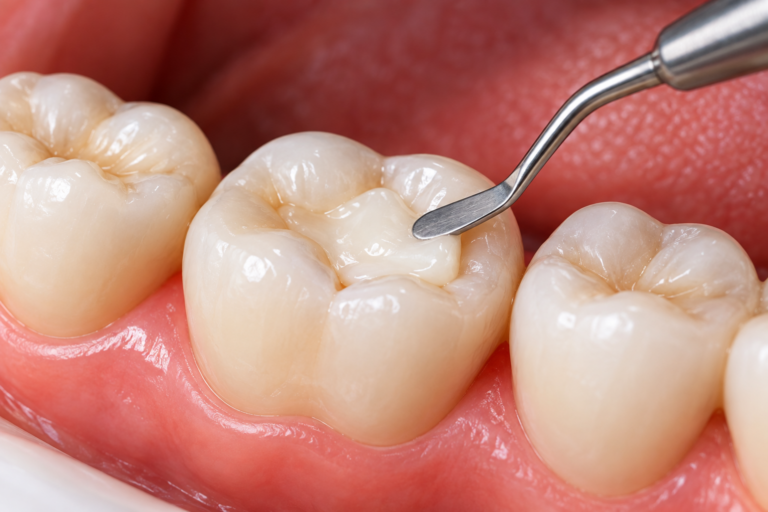
Deep, sensitive, or unsightly notches may need a tooth-colored filling or a similar restoration. These cover bare spots, ease pain, and look better — but if you keep grinding, clenching, or brushing too hard, the problem might come back.
4. Night Guard
If you grind or clench, a dentist-fitted mouthguard could help protect your teeth. It won’t stop the habit, but it’ll limit the damage.
5. Acid and Brushing Changes
Cut down on acidic drinks and foods. Brush gently with a soft toothbrush. Wait a while if you’ve just had a sour drink — brushing right after acid exposure scrubs away softened enamel.
Is Orthodontics a Cure for Abfraction?
Only if you have a real bite problem that needs correction. Braces and aligners aren’t a universal answer to gumline notches.
Preventing Abfraction and Abrasion
Some wear is hard to avoid, but you can stack the odds in your favor:
– Brush with a soft toothbrush and gentle pressure
– Pick a fluoride toothpaste (not too abrasive)
– Limit acidic drinks, and rinse your mouth with water after
– Get checked for clenching/grinding and ask about a night guard if needed
– Treat exposed roots and gum problems promptly, and brush gently
– Don’t skip those dental checkups
Already have a groove? You can slow it down, but you can’t undo tooth structure that’s already gone.
How Much Will Treatment Cost?
There’s no one-size-fits-all price. The price really depends on a few things: how many teeth need work, how serious the damage is, what materials your dentist picks, and whether you need extra treatment for grinding, gum problems, or bite issues.
Ask for an estimate and check your insurance before moving forward.
FAQs
Q. What’s an abfraction lesion?
It’s a loss of tooth near the gumline not caused by a cavity. The cause is usually a mix of stress, grinding, or other forces.
Q. Can abfraction be reversed?
No — lost tooth structure doesn’t come back on its own. Treatment protects what’s left and restores shape.
Q. Do all abfractions need fillings?
Nope. Small, painless, stable notches can often just be watched. Fillings are for deep, sensitive, or spreading spots.
Q. Does abfraction lead to tooth loss?
A shallow notch usually won’t. But ignore a severe one — or leave the cause untreated — and you might risk bigger problems. Your dentist can tell you where you stand.
Q. What should I do about a notch by my gum?
Book a dental exam, especially if it’s new, painful, or getting worse. Brush gentle, don’t pick at it, and leave repairs to the professionals.
Final Thoughts
A notch near your gum doesn’t always mean abfraction. Sometimes it’s abrasion, acid erosion, gum recession — or a little of everything. If you see or feel a defect, let a dentist have a look. The point isn’t just to patch the spot — it’s to figure out what’s behind the damage and keep the rest of your tooth safe.