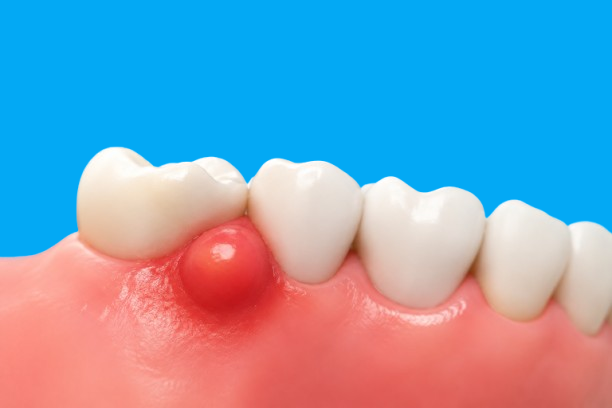
Ever glance at your toothbrush after brushing and spot a little blood? Or maybe you notice some pink in the sink and shrug it off. Honestly, it might not seem like a big deal, but bleeding gums aren’t something you want to ignore. Healthy gums just shouldn’t bleed when you brush or floss—period. For most folks, that bleeding is your body’s way of waving a red flag: something’s irritated or inflamed.
More often than not, the main culprit is plaque building up right along your gumline. But there are other reasons too—brushing too hard, running low on vitamins, changes in hormones, side effects from certain meds, or even some underlying health issues. The good news? Taking action early can knock the problem out pretty easily, usually just by stepping up your oral hygiene and checking in with your dentist.
Let’s talk through what bleeding gums really mean, spot the signs, figure out the causes, and lay out what you can do to stop things before they get worse.
What Exactly Are Bleeding Gums?
Bleeding gums means you’re seeing blood around your teeth where the gums meet. Dentists call it “gingival bleeding,” but you’ll know it if you see:
– Blood while brushing
– Bleeding during flossing
– A little blood after eating tough foods or using a toothpick
– Sometimes even bleeding randomly, like in the morning
If you’re just picking flossing back up, a bit of bleeding might happen—that’s normal at first. But if it keeps up or happens without a clear reason, it’s not normal. Your gums are telling you they need some attention.
Bleeding gums aren’t a disease. They’re a symptom—your body’s “check engine” light for your mouth. Figuring out why your gums are bleeding early on helps you dodge bigger dental headaches later.
So, What Does Bleeding Gums Mean?
Lots of folks wonder—what’s behind those bleeding gums? Nine times out of ten, it’s inflammation from plaque and bacteria hanging out near your teeth. If you brush it off (pun intended) and don’t treat the problem, mild irritation can snowball into gum disease, which doesn’t just mess with your gums; it can go after the bone holding your teeth in place.
Plaque isn’t always to blame, though. Other factors include:
– Skipping good oral hygiene
– Smoking or chewing tobacco
– Shifts in hormones (like during pregnancy)
– Diabetes
– Missing important vitamins
– Medications that thin your blood
– Blood clotting issues
Finding the cause is half the battle. Once you know why, you can actually fix it.
More Signs Your Gums Are Unhappy
Bleeding isn’t the only warning sign. You might also notice:
– Red, swollen gums
– Soreness
– Persistent bad breath
– Teeth that are more sensitive than usual
– Gums that seem to pull away from your teeth
– Loose teeth if things have gotten pretty bad
– Even pus or a weird metallic taste
Sometimes, your gums bleed without hurting, which can fool you into thinking everything’s fine. It’s not. Early gum disease can sneak up on you, and that’s why regular dental visits matter.
Why Do Gums Bleed? Let’s Break Down the Causes
1. Plaque Buildup
Every day, sticky, bacteria-filled plaque coats your teeth. If you don’t brush and floss it away, it hardens into tartar and gets stubborn. The bacteria irritate your gums, which leads to redness, swelling, and yes—bleeding. This is the top reason for bleeding gums.
2. Gingivitis
Leave that plaque long enough, and you get gingivitis—the first stage of gum disease. Look out for:
– Gums that bleed when you brush
– Puffy or bright red gums
– Bad breath
Catch it early, and it’s pretty easy to reverse with a cleaning and better habits.
3. Periodontitis
Ignore gingivitis, and things can escalate to periodontitis—a more serious kind of gum disease. Now, your gums, bone, and everything keeping your teeth where they belong are under attack. Signs include:
– Frequent bleeding
– Gums pulling back (receding)
– Loose teeth
– Pain when chewing
– Pus or tooth loss if things get severe
This isn’t something you can fix at home—you need your dentist for this one.
4. Brushing Too Hard
It sounds sensible, but scrubbing your teeth harder doesn’t clean them better. It actually beats up your gum tissue and wears down enamel. The trick? Use a soft-bristled brush, go easy, and use gentle circles.
5. Getting Back to Flossing
Haven’t flossed in a while? Your gums might bleed when you begin again. Stick with it gently—usually, the bleeding stops after a week or two. If it doesn’t, time for a dental check.
6. Pregnancy and Hormones
Pregnancy shifts all sorts of things in your body, and gums can get extra sensitive. Even women who usually never bleed might see it while pregnant. More careful brushing and regular dental checkups will help.
7. Vitamin Shortages
Your gums need vitamins. Not enough vitamin C? You might notice swelling, slow healing, and bleeding. Low on vitamin K? That affects your body’s ability to clot, so even a little poke can mean bleeding. Eat leafy greens, fruit, and vegetables for healthy gums.
8. Diabetes
With uncontrolled diabetes, high blood sugar helps bacteria thrive, which puts your gums at risk. If you’re seeing bleeding, dry mouth, bad breath, or loose teeth—manage your blood sugar and keep up with dental care.
9. Smoking
Smoking wreaks havoc on your gums. It slows healing, blocks blood flow, makes infections tougher to fight, and raises your risk for gum disease, bone loss, and losing teeth. Stopping helps your mouth recover.
10. Medications
Some meds—like blood thinners, aspirin, certain seizure or blood pressure medicine, and some chemo drugs—raise your risk for bleeding. Noticed bleeding after starting a new prescription? Tell your dentist or doctor—but don’t stop taking it without their advice.
What About Bleeding When I Brush or Floss?
If your gums bleed when you brush, the toothbrush isn’t usually the enemy. More likely, your gums are already irritated. Plaque, gingivitis, brushing too hard, bad technique, lack of vitamins—it could be any of these. People often avoid brushing sore spots, which just lets more plaque pile up and things get worse.
Here’s what helps:
– Use a soft-bristled brush twice a day.
– Brush gently (two minutes is great).
– Clean along your gums, not just your teeth.
– Swap out your toothbrush every few months.
– If bleeding keeps up for two weeks or longer, see your dentist.
Flossing? If you’re new to it or picking it back up, some bleeding the first few days isn’t unusual. But if your gums keep bleeding after a couple of weeks, you might have gingivitis, plaque, or need to tweak your flossing technique. Stick with gentle, daily flossing—healthy gums won’t keep bleeding.
What Actually Treats Bleeding Gums?
Don’t just leave bleeding gums alone. Treating it early prevents bigger problems down the road. Here’s what works:
1. A Professional Cleaning
Plaque and tartar are stubborn, and you can’t remove tartar yourself. Your dental hygienist can. This helps your gums start healing.
2. Deep Cleaning for Gum Disease
If it’s gone further into periodontitis, your dentist will probably recommend a deeper cleaning under the gums (scaling and root planning) to clear bacteria and let your gums recover.
3. Handling Underlying Conditions
If bleeding gums link back to diabetes, a vitamin deficiency, or another health problem, your doctor and dentist will work together on the next steps.
4. Step Up Your Hygiene Game
– Brush twice a day with a soft brush.
– Use fluoride toothpaste.
– Floss every day.
– Don’t forget to clean your tongue.
– Toss old toothbrushes every few months.
Can You Do Anything at Home?
For mild bleeding, a little self-care can make a difference:
– Warm saltwater rinses (½ teaspoon salt in warm water, swish, spit, repeat a few times a day) help soothe irritation.
– Stay hydrated. Water helps wash away food and supports saliva—which fights bacteria.
– Eat plenty of fruits, veggies, eggs, dairy, lean meats, and greens. Your gums want those nutrients!
– Green tea (unsweetened) is full of antioxidants that may calm inflammation (but it’s not a replacement for dental care).
– If you smoke, stopping helps your gums heal.
But let’s be real—if the bleeding keeps up, home remedies aren’t enough. Schedule a dental appointment.
When Should You Worry?
If your gums only bleed a bit when you first start flossing, don’t panic. But you should see a dentist if:
– Bleeding lasts for more than two weeks.
– It happens not just while brushing or flossing but at random times.
– Your gums are swelling, sore, or pulling back.
– Bad breath won’t go away.
– Teeth feel loose.
– You notice pus.
– The bleeding is heavy or hard to stop.
– You’re also feeling sick, bruising, or unusually tired.
Catching problems early makes treatment a lot easier.
Can Bleeding Gums Actually Be Fixed?
Often, yes! If you’ve got bleeding from gingivitis, it’s pretty simple: brush and floss better, get a professional dental deep cleaning, and check in with your dentist. Periodontitis is manageable, but some damage might hang around if you wait too long. The earlier you act, the better things usually turn out.
So How Do You Prevent Bleeding Gums?
– Brush gently and correctly twice a day.
– Floss daily.
– See your dentist for checkups and cleanings (every six months, for most people).
– Eat a healthy, balanced diet.
– Drink plenty of water.
– Don’t use tobacco.
FAQ
Q. Why do my gums bleed when I brush my teeth?
Usually, it’s plaque causing gingivitis. Brushing too hard or a stiff toothbrush can make it worse.
Q. Why do my gums bleed when I floss?
If you’ve just started, a little bleeding is normal. If it keeps happening, your gums probably need more care.
Q. Can bleeding gums heal naturally?
Sometimes. If the bleeding comes from mild irritation, better brushing and flossing might fix it—but if it sticks around, see a dentist.
Q. What vitamin deficiency causes bleeding gums?
Lack of vitamin C causes it most, but low vitamin K, D, iron, or B12 can play a role.
Q. Can stress cause bleeding gums?
Yes. Stress weakens your immune system and stirs up inflammation. Your gums can pay the price.
Q. Are bleeding gums common during pregnancy?
Yes, thanks to hormone changes. But don’t ignore them—take care of your teeth and gums.
Q. Is it normal for gums to bleed every day?
Nope. If your gums bleed day after day, something’s up. Get them checked.
Q. Can smoking cause bleeding gums?
Definitely. Smoking damages your gums—even if it can sometimes hide early bleeding.
Q. Can bleeding gums lead to tooth loss?
Yes. Untreated gum disease can erode bone and tissue, and eventually teeth might loosen and fall out.
Q. Should I stop brushing if my gums bleed?
No. Keep brushing gently and flossing. If it doesn’t improve, see your dentist.
Bottom line
Bleeding gums are often the first sign your mouth needs help. Most causes, like plaque and early gum disease, are easy to tackle if you catch them early. Brush gently, floss daily, eat well, and let your dentist handle the rest. If bleeding sticks around, don’t let it slide—get checked so you don’t risk bigger problems. Your gums do a lot for your teeth and your confidence, so give them the care they deserve.