So, you’re almost there—the finish line is in sight. If you’re about to get your braces off, congrats! After months (or years) of tightening wires, skipping popcorn, and obsessing over brushing, you’re about to see your new, brace-free smile.
What actually happens when you finally get your braces removed?
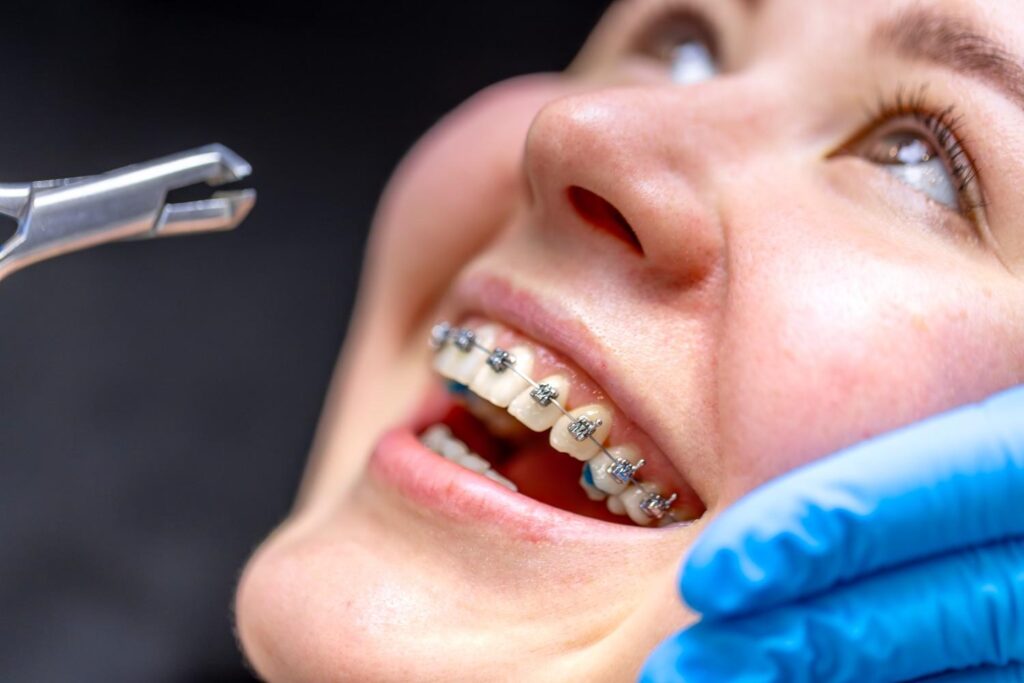
Braces removal (your orthodontist might call it “debonding”) is pretty straightforward: they take off the brackets, wires, and any leftover glue from your teeth. A trained professional does this for you—don’t even think about trying it on your own (seriously, more on that later).
Here’s what your appointment usually looks like:
First, your orthodontist uses a special tool to loosen and pop off each bracket. You’ll probably feel a little pressure, but don’t worry—it shouldn’t hurt. Next, they detach the wire. This part’s super quick, and a lot of people feel instant relief.
Once everything’s off, some glue will still be stuck to your teeth. Your orthodontist will polish it away, smooth everything out, and probably buff your teeth until they’re shiny. It’s actually pretty satisfying, especially when they give you the mirror.
Then comes a really important step:
fitting your retainer. You’ll either get one that’s removable or fixed—either way, this is what keeps your new smile in place.
How long will all this take?
Most people are done in half an hour, maybe an hour if there’s lots of cleanup. Compare that to the time you’ve already spent in braces; it’s a breeze.
What about pain?
The good news is taking braces off doesn’t hurt. You might feel some squeezing or pressure when the brackets come off, and maybe some mild sensitivity after—but nothing major. If anything, your mouth will probably feel weirdly smooth and light. Everyone touches their teeth a lot right after.
A bit of soreness or sensitivity can show up later that day, or even over the next day or two. It’s pretty normal, and it usually fades fast. If you’re uncomfortable, stick to softer foods for a couple days.
A few things to expect once the braces are off:
your teeth will feel really smooth, your mouth will feel lighter, and you’ll catch yourself running your tongue over your teeth constantly. Some folks feel extra sensitive or notice pressure changes, but those fade as you get used to your “new” bite.
Removing braces at home
Now, about removing braces at home—don’t do it. Honestly, there’s no way to safely get those things off without serious risk. Trying to remove them yourself can mess up your enamel, crack a tooth, cause infections, leave glue all over, or just waste all the time and money you’ve put into your smile. Even dentists won’t do it unless you’ve finished treatment.
If you need your braces off but your orthodontist isn’t available, it’s still possible to see another one. Just make sure you’re actually ready (your teeth are done moving), and ask if there are any risks with finishing early. Sometimes people ask to take their braces off before treatment is complete—maybe they’re uncomfortable, there’s an important event coming up, or they’re just tired of the whole thing. Just know, if you cut treatment short, your teeth might shift back, your bite could stay off, and you may just end up needing braces again. Always talk it through first.
Wondering how to get ready for the big day?
Brush and floss well before your appointment, avoid anything sticky, and jot down any questions for your orthodontist (like whether you’ll need a retainer, how long you’ll need it, and if you should do anything special to care for your teeth).
Braces Removal Cost
Most of the time, the cost to remove your braces is baked into your original treatment plan. If it’s separate, it can run from $100 to $500, not including extras like retainers or follow-up visits.
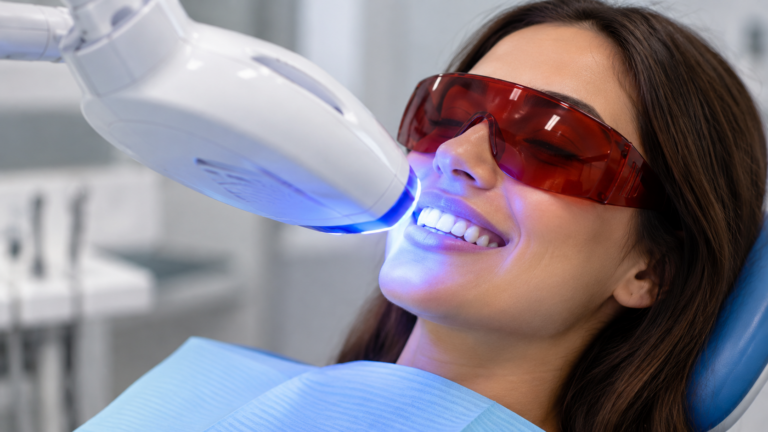
Now, aftercare: this is where people slip up. First, wear your retainer—no exceptions. Your teeth can start moving back quickly if you skip it. Keep brushing and flossing like always, and think about using mouthwash. Maybe steer clear of very hard or crunchy foods for a bit. If you’re bothered by stains or any uneven color, you can look into whitening, but only if your orthodontist says it’s okay.
A few things people worry about after braces come off:
teeth feel loose (totally normal; they’ll settle), little gaps between teeth (usually minor, and the retainer should fix it), or sensitivity (try toothpaste for sensitive teeth if it bothers you).
If you want your braces off faster, here’s the truth:
you can help by wearing your rubber bands exactly as told, showing up for every appointment, and taking care of your teeth. There’s no real shortcut though, and never try to take off your braces yourself.
After removal, just keep cleaning your teeth as usual—your orthodontist already took care of any leftover glue. Fluoride toothpaste helps, and your routine brushing and flossing should keep things healthy.
If you had braces behind your teeth (lingual braces), no big difference. The removal is just as safe and gentle—it just takes a bit more time because of the tricky location. Always done by a pro.
So, what’s next?
Getting your braces taken off is a huge milestone, and you’ve earned it. The process is quicker and easier than you think, but don’t forget: only let your orthodontist do it, wear that retainer, and take care of your fresh new smile.
And yeah—you will probably keep grinning at yourself in every mirror you pass.