Here’s a question that comes up all the time: should you brush your teeth before or after breakfast?
You’ve probably seen all sorts of answers out there. Some folks don’t touch food until they’ve brushed. Others want that clean-mouth feeling after a meal. With so much conflicting info, it’s no wonder people get confused.
But the truth is, timing your morning brushing actually matters. Brush at the right moment, and you’ll ditch bacteria, shield your enamel, kick morning breath, and basically give your teeth a fighting chance.
Is It Better to Brush Teeth Before or After Breakfast?
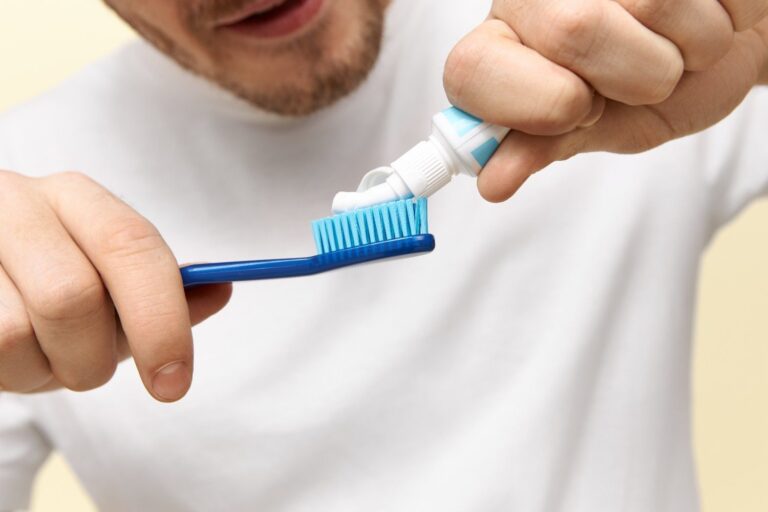
Let’s keep it simple: most dentists say you should brush your teeth before breakfast.
Here’s why. Overnight, bacteria have a party in your mouth. That’s why your breath is, well, pretty bad in the morning. Brush before you eat and you:
– Sweep away all that built-up bacteria
– Freshen your breath
– Coat your teeth in fluoride from the toothpaste
– Safeguard enamel from the acid in food and drinks
Think of fluoride as your teeth’s invisible armor. If you brush first, you suit up before breakfast even starts.
Why Brushing Before Breakfast Is Usually Better
1. It Clears Out Overnight Bacteria
Saliva slows down when you’re asleep, so bacteria get a chance to multiply. They pump out acids that can trigger cavities and gum trouble. Brushing right after you wake up wipes the slate clean.
2. Fluoride Shields Your Teeth
Typical toothpaste contains fluoride—that’s what helps toughen up your enamel, stop decay, and even fix tiny bits of early damage. Brushing before breakfast lets fluoride sit on your teeth, giving them some extra-superpowers before you eat.
3. Bye-Bye Morning Breath
Bacteria make stinky compounds as you sleep. Brush before breakfast and you’ll knock out most of those bad smells.
4. You Get a Saliva Boost
Brushing gets saliva flowing. And saliva’s not just for comfort—it fights acid, clears away bits of food, and even helps prevent cavities.
Why Do Some People Brush After Breakfast?
Some people don’t like that toothpaste taste interfering with their coffee or orange juice. Others like to get rid of all the crumbs and bits after they eat. Their reasons?
– Washing away food debris
– Nixing food smells
– Feeling squeaky clean before leaving the house
– Dodging coffee stains
Those reasons are fair, but timing can be tricky.
Is Brushing Right After Eating Bad?
Yes, sometimes. If breakfast included acidic stuff—think orange juice, berries, coffee, tomatoes, even some sports drinks—your enamel gets temporarily softer. Brush too soon and you can scrub away that softened enamel layer.
That’s why your dentist wants you to hold off for a bit.
How Long After Eating Should You Wait to Brush?
A good rule? Wait at least 30 to 60 minutes after eating.
That gives saliva time to settle things down—neutralizing acid, bringing pH back to normal, and letting enamel firm up again.
If your meal was loaded with acidic foods, waiting becomes even more important.
How Long to Wait to Brush Teeth After Coffee?
Coffee’s rough on your enamel and stains fast. If you sip coffee in the morning:
– Wait at least 30 minutes
– Swish water around your mouth after your cup
– Don’t brush right away
Give your teeth a chance to recover.
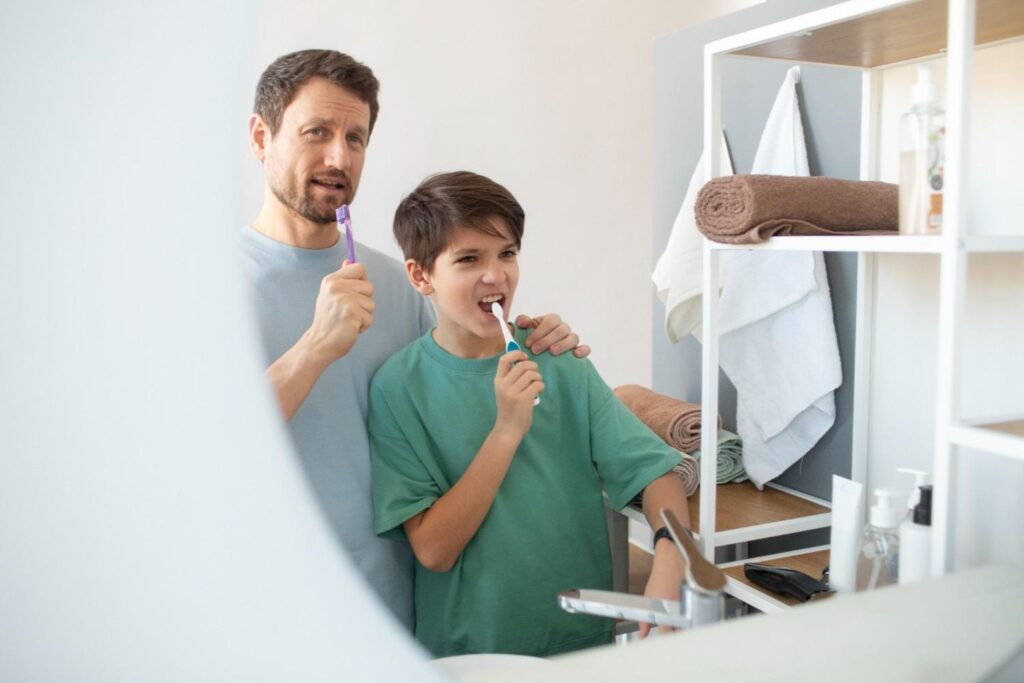
What If You Still Want to Brush After Breakfast?
No problem, just do it smart:
1. Eat your breakfast as usual.
2. Rinse your mouth with water.
3. Wait 30–60 minutes.
4. Brush with fluoride toothpaste.
This way, you protect your enamel and still get that clean-mouth feeling.
So, What’s the Best Morning Brushing Routine?
Wondering exactly when to brush? Here are two simple routines dentists suggest.
Option 1: The Gold Standard
1. Wake up.
2. Brush for two minutes.
3. Eat breakfast.
4. Rinse with water after eating.
Simple and effective.
Option 2: The “After Breakfast” Plan
1. Eat breakfast.
2. Rinse with water.
3. Wait half an hour (or an hour, even better).
4. Brush for two minutes.
Brushing Teeth in the Morning: Step-by-Step
Want to get it right? Here’s a quick checklist.
1) Brush For Two Minutes
Most of us rush it. But aim for two minutes—spend 30 seconds in each part of your mouth, use gentle circular motions, and grab a soft-bristled brush.
2) Don’t Forget Your Tongue
A lot of bad breath starts here. A quick tongue brush (or use a scraper) wipes away odor and bacteria.
3) Floss Once a Day
Your toothbrush can’t clean every space between your teeth. Floss once daily to remove hidden plaque and help prevent common gum problems. Your gums will thank you.
4) Use Fluoride Toothpaste
Nothing beats fluoride for cavities. Stick with it.
How Long Should You Brush?
Two minutes does the job—in the morning and at night. If you’re brushing for just 30 seconds, you’re missing a lot.
What Counts as “Brushing Properly”?
– Get all sides: front, back, tops, and gumline
– Don’t skip your tongue
– Use gentle pressure
– Two minutes total
Can You Eat After Brushing?
Sure can. You won’t mess up your enamel or fluoride by grabbing breakfast after your brush. If you want the fluoride to linger, you could wait 15–30 minutes—but most days, brushing before you eat is great.
A Note on Brushing After Breakfast
If you brush as soon as you wake but eat right after, don’t stress. You’re still getting rid of millions of bacteria, getting that fluoride shield, and prompting your mouth to make more saliva. That’s why dentists continue to recommend brushing first.
Should You Brush After Every Meal?
Nope. Brushing more isn’t always better. Go overboard, and you can end up with sensitive teeth and sore gums.
Instead, after meals:
– Rinse with water
– Chew sugar-free gum
– Wait before brushing, especially after acidic meals
Brushing twice a day is enough for most people.
Best Times to Brush
Two times matter most:
– In the morning (to clear out overnight bacteria)
– Before bed (to eliminate a day’s worth of gunk)
If you’re only up for one, your dentist is probably going to tell you to pick bedtime.
Night Brushing Really Matters
Brushing before sleep is crucial. Plaque and bacteria just sit on your teeth if you skip it, which means more trouble down the road. Get in the habit.
Should You Eat After Night Brushing?
Try not to. When you brush before bed, call it quits on food and sugary drinks—snacking afterward means leftovers stick around all night. Water only.
Do You Need to Brush Right After Fruit?
Nah—not right away. Fruits like oranges or pineapple have acids that soften enamel for a little while. Rinse with water, wait about 30 minutes, then brush if you want.
What About After Sweets?
Sugar is bacteria’s favorite fuel, but if your treat has acids, brushing immediately can still do harm. Swish with water first, wait 30 minutes, then brush.
A Few Mistakes to Avoid
1) Brushing Too Hard
Scrubbing doesn’t help—gentle wins the race. Too much pressure wrecks your gums and enamel.
2) Using a Hard-Bristled Brush
Go for soft bristles. They clean just fine without beating up your teeth.
3) Forgetting to Brush at Night
This is a common and costly mistake. Nighttime brushing matters.
4) Brushing Right After Acidic Food
Give your teeth some recovery time, always.
What If You Forget to Brush Before Breakfast?
No big deal. Go ahead and eat, rinse your mouth, wait a bit, then brush as usual. The key is being consistent—not perfect.
Quick Questions, Quick Answers
Q: Should I brush before or after breakfast?
A: Before. It clears out overnight bacteria and gives you fluoride protection.
Q: How long after eating should I brush?
A: Wait 30–60 minutes, especially if you ate something acidic.
Q: Can you eat right after brushing?
A: Yes. It’s totally fine.
Q: How long should I brush?
A: Two minutes, morning and night.
Q: Is brushing after every meal a good idea?
A: Not unless your dentist tells you to. Twice daily does the trick.
Final Verdict: Brush Before Breakfast
So—when’s the best time to brush? For most people, brushing before breakfast wins. You clear bacteria, protect your enamel with fluoride, and keep your breath fresh.
If you really prefer brushing after you eat, no problem. Just rinse with water and wait 30 to 60 minutes before grabbing your toothbrush.
In the end, it’s not only about timing—the way you brush, the toothpaste you pick, and just sticking with the habit every day will do the most for your smile. A small daily routine makes a big difference—and the right timing can make it work even better.