If your dentist says you need a full mouth debridement, you might feel a little lost or even worried. The name sounds intense, but honestly, it’s just a deep cleaning for your teeth and gums, especially when there’s a lot of plaque and tartar built up from years without regular dental visits.
People hear terms like dental debridement or oral debridement and immediately think they’re doomed for pain, but that’s not usually the case. This procedure usually kicks things off for getting your mouth back on track.
So what’s a full mouth debridement, really?
Here’s the deal: when there’s so much gunk on your teeth—plaque, tartar, debris—the dentist can’t even get a good look at what’s going on. This heavy-duty cleaning helps clear the way so your dentist can check for gum disease, cavities, loose teeth, bone loss, or infections. If your mouth isn’t clean enough for a standard exam, this is step one.
You might also hear it called gross debridement, oral debridement, dental full mouth debridement, or FMD dental procedure. All those names mean the same thing: removing tough tartar, thick plaque, bacteria, food bits, and stains from smoking or coffee.
After everything’s cleaned out, your dentist can finally give your mouth a proper exam.
So, if you’re googling “what is a full mouth debridement,” the answer’s simple: it’s an initial deep cleaning when regular maintenance just won’t cut it.
When you see the word “debridement” in dentistry, it basically means scraping away harmful buildup from teeth and gums so things can heal. The term actually comes from medicine, where they clear away dead tissue. In this context, debriding teeth means cleaning off all that thick, stubborn plaque and tartar.
Thinking about oral debriding?
It’s just another way of saying cleaning out nasty buildup from your mouth—teeth cleaning, plaque removal, tartar removal, and getting rid of bacteria. No mystery there.
Why would someone need full mouth debridement?
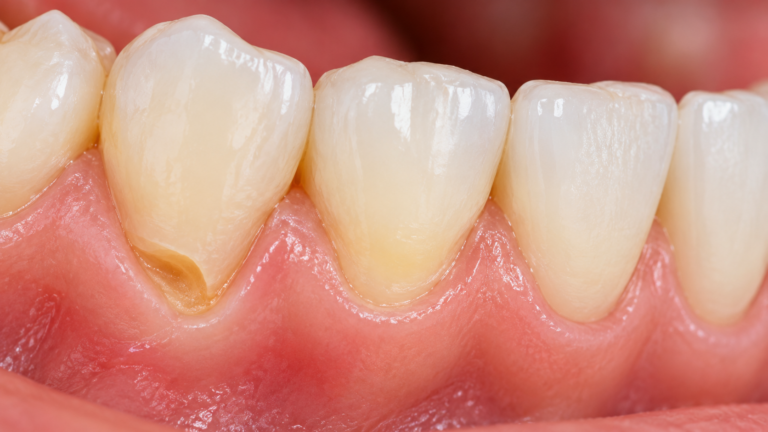
Usually, it’s because they haven’t seen a dentist in ages, their gums bleed easily, tartar is caked on, their breath is sour no matter what, gums are swollen, teeth are yellow or brown near the gums, or the dentist can’t even examine their teeth because of the buildup. Sometimes, things get so bad that part of the tooth is hidden under layers of muck—and ordinary cleaning won’t do the trick.
Here are some signs you might need dental debridement:
Visible tartar buildup—hard yellow or brown stuff on your teeth.
Bleeding gums when you brush.
Chronic bad breath that won’t go away.
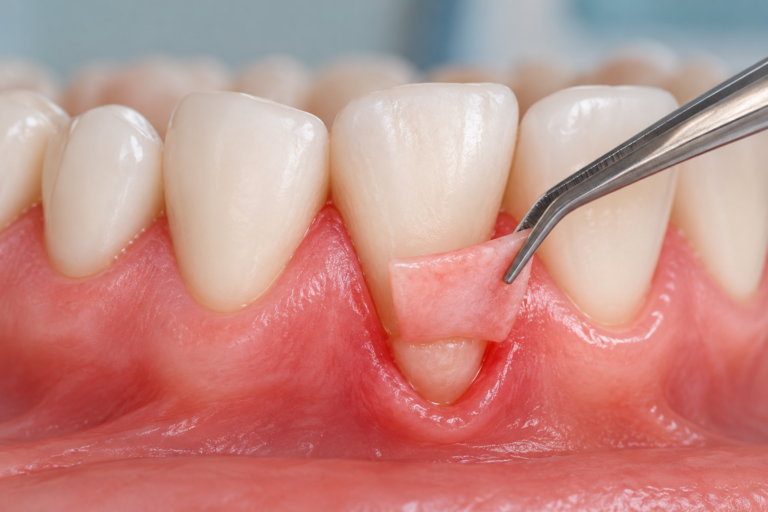
Loose teeth from weakened gums.
Sensitive teeth, sometimes due to exposed areas caused by tartar.
Wondering how this stacks up against a regular cleaning?
Regular cleanings are for healthy mouths, removing mild plaque, fast and simple, every six months. Full mouth debridement is more intense, for severe buildup, takes longer, and happens when your mouth needs a real overhaul. The goal with debridement is to restore visibility and get oral health back on track—it’s not just routine maintenance.
People also ask about deep cleaning (scaling and root planing) versus full mouth debridement. They’re different. With full mouth debridement, the dentist removes big deposits of tartar so they can actually see what’s happening. Deep cleaning, on the other hand, goes under the gums to treat gum disease. Often, you get the full mouth debridement first, then the deep cleaning if gum disease is found.
So, how does the procedure go?
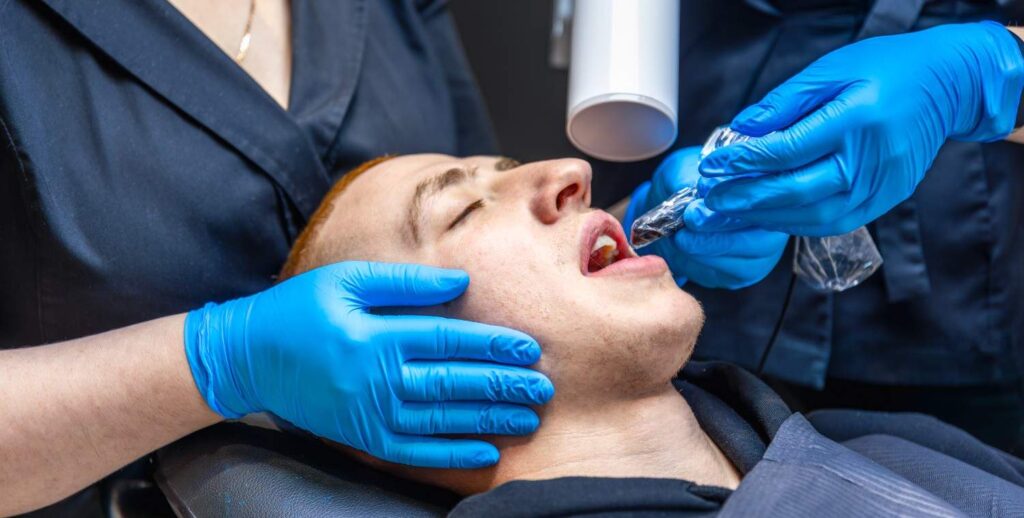
First, the dentist checks just how much buildup there is and looks for gum inflammation. Next comes ultrasonic cleaning—a vibrating tool blasts away hardened tartar. You’ll hear lots of buzzing, kind of like a tiny power washer. Then manual scaling—those hand tools scrape off the stubborn remnants. After that, your mouth gets rinsed to clear away the loose debris. Finally, the dentist takes another look for any hidden issues now that things are clear.
How long does it take?
Mild cases might be over in 45 minutes. Moderate buildup can take an hour or two. Severe buildup could mean a couple of visits. It depends on tartar amount, gum health, number of teeth, and how comfortable you feel.
Does it hurt?
Not really. Most people feel some mild discomfort, pressure, maybe a bit of sensitivity. If your gums are really inflamed, you might get local anesthesia to numb things. Afterwards, people usually say their teeth feel smoother than ever—your tongue will notice all the difference.
Before and after full mouth debridement can look pretty dramatic. Before, you see thick tartar, bad breath, swollen gums, yellow teeth, and bleeding. After, things clean up: fresher breath, healthier gums, and brushing and flossing get a lot easier. If you’ve ever checked those “before and after” pictures, the amount of hidden buildup is honestly a shock.
What about cost?
It depends on where you live, severity of buildup, dentist’s experience, and insurance coverage. In the U.S., it usually ranges from $75 to $300, sometimes more if you need extra treatments. Your insurance may kick in for part of it, depending on your dental plan.
You might see dental codes like D4355—that’s the ADA code for full mouth debridement. This lets insurance know it’s a deep cleaning to help with evaluation and diagnosis.
What Is Periodontal Debridement?
If your dentist talks about periodontal debridement, it’s about cleaning below the gums, focusing on the bacteria and buildup linked to gum disease. Sometimes it follows your full mouth debridement if gum disease is found.
What Is Root Surface Debridement?
Root surface debridement is a step further, cleaning the root surfaces below the gumline to reduce bacteria and improve healing.
What Is Pulpal Debridement?
Pulpal debridement is a whole other thing—this happens inside the tooth during a root canal, not during a general mouth cleaning.
Thinking about doing oral debridement at home?
Tough luck. Once tartar has hardened, you just can’t scrape it off safely yourself. Trying could damage your enamel, hurt your gums, or cause infection. You can brush and floss to prevent buildup, but getting rid of it needs a pro.
How to avoid needing another heavy cleaning?
Brush twice a day with fluoride toothpaste for two minutes. Floss daily. Visit your dentist every six months. Drink more water. Quit smoking if you can—smoking makes tartar and gum disease worse. An electric toothbrush is often better at cleaning than a manual one.
Struggling to get Fixodent off your gums?
Rinse with warm water, gently use a soft brush or gauze, don’t scrape too hard. If it’s really stuck, your dentist can clear it out for you.
If you notice bleeding gums, loose teeth, heavy tartar, bad breath, gum swelling, or pain chewing, book a dental visit soon. The sooner you tackle it, the easier the process.
Final thoughts
In the end, full mouth debridement is less scary than it sounds. It’s a powerful reset for your oral health. Doesn’t matter what you call it—full mouth debridement, dental debridement, oral debriding, gross debridement—it all comes down to clearing away buildup so your dentist can properly take care of your teeth and gums.
For most people, this is the first big step to healthier gums, fresher breath, and a confident smile. Seriously, your future self—and your dentist—will thank you for not letting things go another five years before your next cleaning.