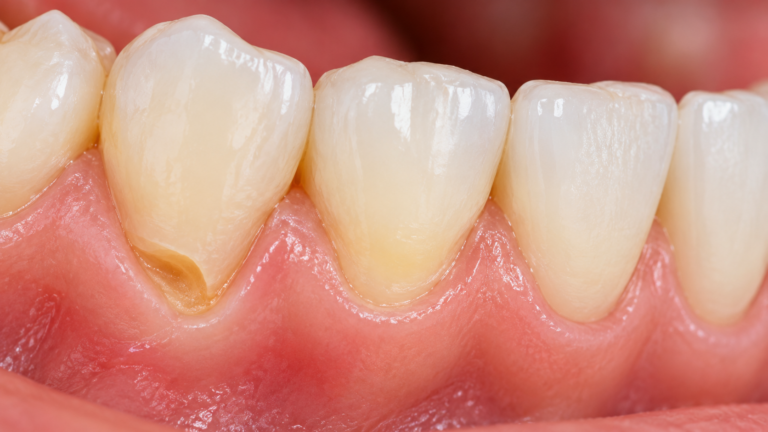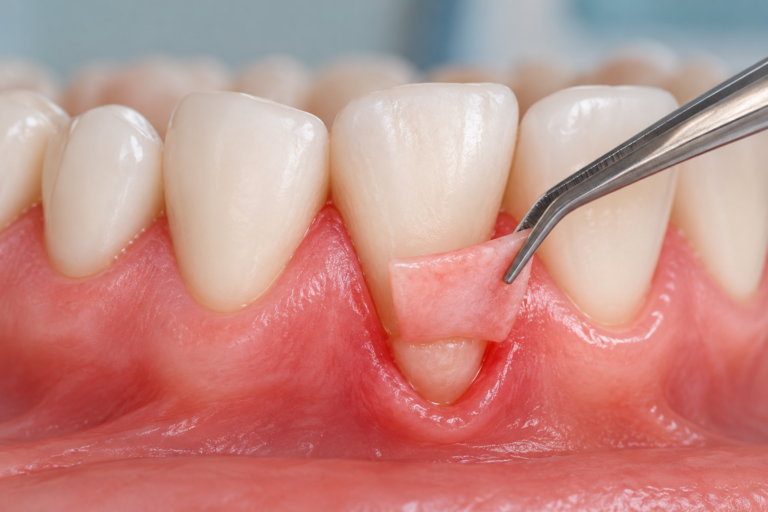
Noticed a hole in your gum and feeling freaked out or just confused? You’re definitely not alone.
Every day, people search things like “there’s a hole in my gum,” “tiny hole in gum above tooth,” or “hole behind tooth,” and immediately assume the worst. The truth? A hole in your gum can mean plenty of things—some harmless, others that need a dentist’s attention.
What’s a “Hole in Gum,” Anyway?
A hole in your gum is any gap, pit, or opening in your gum tissue. It might look like:
– A tiny hole above a tooth
– A deeper hole below a tooth
– A spot near the gumline
– A hole where a tooth is missing
Sometimes, it just feels weird—like you’ve got food stuck, or there’s a little divot or soft spot in your gums. It might be painful, or it may not hurt at all.
Common Reasons You Get Holes in Your Gums
Let’s break down the main causes—some are no big deal, others you don’t want to ignore.
1. Gum Disease (Gingivitis & Periodontitis)
This is the most common reason. Plaque builds up, your gums get inflamed (gingivitis), and if you let it go, it can turn into periodontitis—a serious form of gum disease.
What you might notice:
– Bleeding or swollen gums
– Bad breath
– Holes between teeth or just under the gumline
– Deep gray-ish pockets
If you ignore it and things get worse, your gums can start to pull back from your teeth and form pockets—which, honestly, are just deep holes. Leave those untreated and you risk losing gum tissue and even your teeth.
2. Tooth Extraction (Totally Normal Healing Hole)
If you just had a tooth removed, that open spot is your extraction socket (aka: a crater in your gum). A visible hole sticks around for a week or two, then slowly fills in. But if you notice severe pain, a bad smell, or weird discharge (green/yellow fluid or “goop”), that’s a red flag for dry socket or infection—see your dentist right away.
3. Infection or Abscess
Infections can make a hole in your gum that leaks fluid—this is an abscess.
Check for:
– Pain or pressure
– Swelling
– Bad taste
– Drainage of green or yellow fluid
Sometimes, what feels like a “hole” is actually your gum letting the infection drain out.
4. Injury or Trauma
You can injure your gum while brushing too hard, snagging it with sharp foods (chips, bones, popcorn), or even from dental tools or flossing. That can lead to ripped or torn gum tissue, or a raw, sore spot that looks like a hole.
5. Bone Loss (Hole Over the Bone)
Sometimes, the issue goes deeper. If the bone holding your teeth shrinks or erodes—maybe from gum disease or age—the gum collapses inward and can make a dent, pit, or visible hole above the jawbone. This can also make your teeth start to feel loose.
6. Tooth Problems (Cavities and Decay)
A cavity in your tooth or along the gumline can make things look or feel like a gum hole. You can have a hole in your tooth and gum at the same time (especially if decay is bad). Sometimes, these don’t even hurt but can still do damage.
7. After Dental Procedures
If you recently had a root canal, implant, or deep dental cleaning, you may notice small holes or craters where the work was done. Usually, they heal on their own.
8. Smoking and Poor Oral Hygiene
Smoking makes it way harder for your gums to heal, and ups your risk for infection and gum disease—which means more chance for holes or rotting gum tissue.

What Do These Gum Holes Look Like?
Real people describe it lots of ways:
– Tiny hole above a tooth: usually early gum disease or an injury; often painless
– Hole behind a tooth: often a food trap or infection spot
– Black or dark hole: could mean dead tissue, a blood clot, or an infection—don’t wait, get this checked
– Hole under a tooth: usually from gum recession; can feel like your gum is loose
– Hole in the molar area: often tied to bone loss or advanced gum disease
– Hole inside your cheek or mouth: likely an ulcer or minor injury—not always your gums
When NOT to Wait
Some symptoms mean you shouldn’t put things off:
– Severe pain
– Bleeding
– Green or yellow discharge
– Swelling or fever
– Loose teeth
– Super bad smell
These can mean infection or advanced gum disease, even tissue death. Get to a dentist.
How Dentists Figure It Out
They’ll check your gums, measure the depth of any pockets, look for signs of infection or decay, and probably take X-rays to see what’s happening under the surface.
Treatment—What Actually Helps?
Depends on the cause. Usually, the dentist will:
- Do a professional cleaning for early gum disease—gets rid of plaque and helps your gums heal
- Deep cleaning (scaling and root planing) for deeper pockets—cleans under the gumline
- Prescribe antibiotics for infections—either a gel around your gums or pills
- Surgery (like gum grafts or bone regeneration) if it’s really advanced
- Suggest home care: brush with a soft brush, use saltwater rinses, don’t pick or poke at the hole, and if you smoke—try your best to stop
One thing—never try to cut or remove anything from your gums at home. You can do real harm.
Can a Hole in Your Gum Heal on Its Own?
Sometimes, yes. If you just had a tooth pulled or gave yourself a small scrape, your gums usually bounce back without any fuss. But if the hole comes from gum disease, an infection, or bone loss, you need a dentist to step in.
How to Keep Gum Holes from Showing Up
You don’t want to deal with this in the first place, right?
– Brush your teeth twice a day—go easy with a soft brush.
– Floss, but don’t go overboard.
– Show up for checkups at the dentist.
– Skip the cigarettes.
– Try to eat balanced meals.
When You Should See Your Dentist
If the hole hurts, gets bigger, looks infected, or sticks around longer than two weeks, call your dentist and get it checked. Sooner is always better with mouth problems.
Final Thoughts
Spotting a hole in your gum can be scary, but don’t panic. Sometimes it’s just your body healing. Other times, it’s your gums telling you something needs attention.
don’t ignore it. If you’re unsure, let your dentist take a look. You’ll feel better knowing what’s going on—and your gums will thank you.