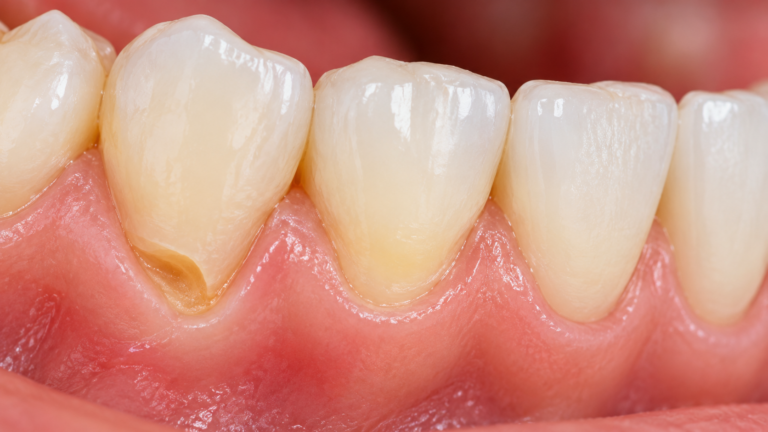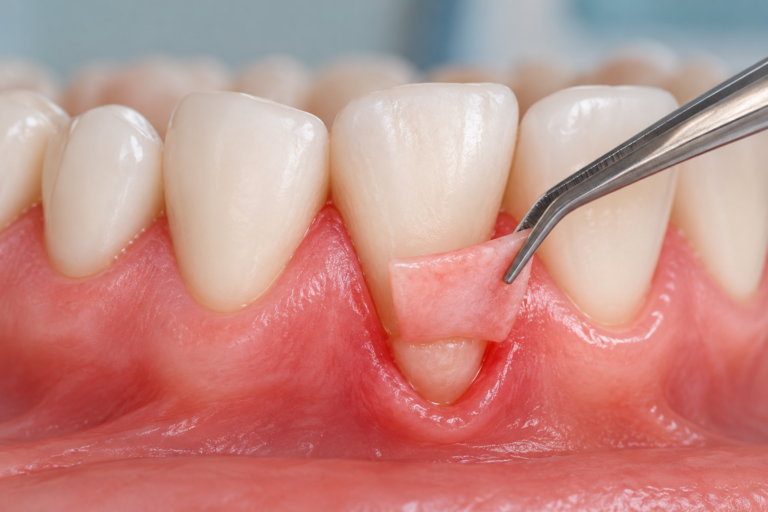
Go ahead and look in the mirror and give yourself a grin. Sure, you probably notice your teeth all the time, but have you ever stopped to wonder what they’re made of—or what’s actually inside them?
People usually see teeth as just tough white tools for chewing, but there’s way more going on under the surface. Each tooth has several layers, living tissue, blood vessels, nerves, and a whole support system working together so you can eat, speak, and flash a smile whenever you want.
Knowing a bit about human teeth anatomy helps you care for your mouth better. If you understand how teeth are built, then it’s easier to figure out why cavities form, why some teeth ache, and just what your dentist is talking about when they suggest a treatment.
What Is Human Teeth Anatomy?
Teeth anatomy is just the study of how our teeth are put together, their shape, all the different layers, and what they do for us. If you break down a tooth, you’ll find two basic sections:
– The crown—which you see above your gum line
– The root—which sits buried beneath the gums
They look solid on the outside, but inside? There are different tissues, each with a unique job.
What Are Teeth Made Of?
Believe it or not, teeth aren’t bone. They look alike, but teeth are much harder.
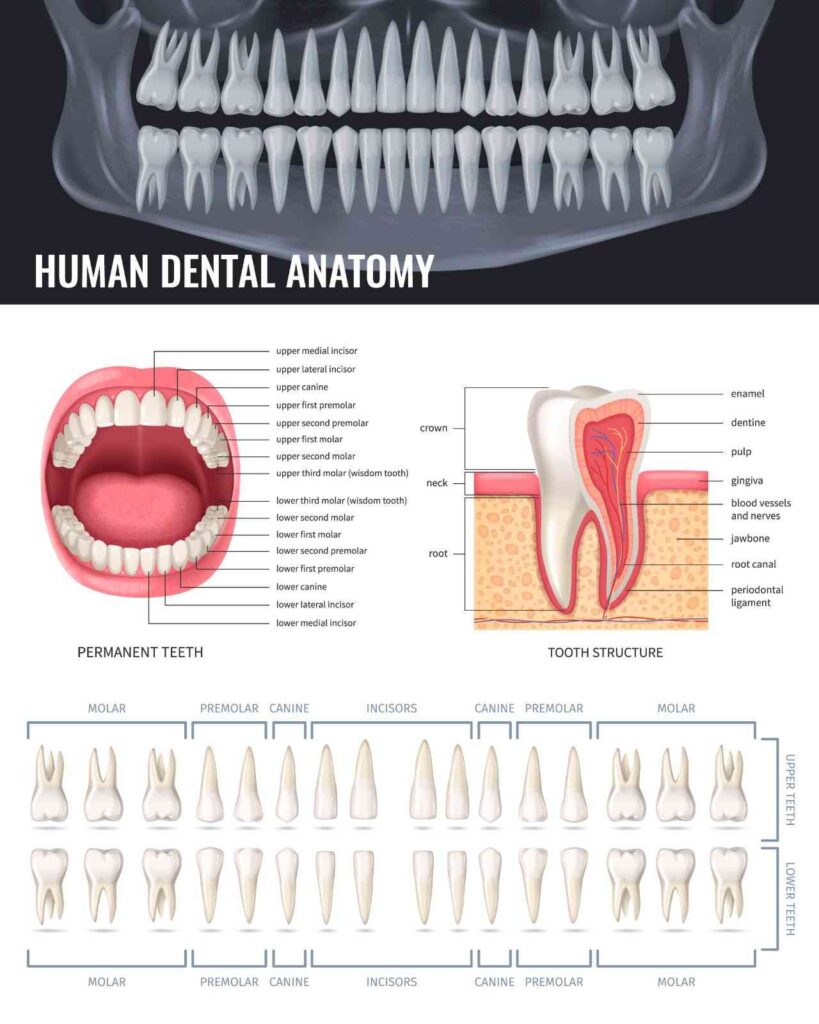
Teeth are built from four main tissues:
– Enamel
– Dentin
– Cementum
– Dental pulp
All together, these make teeth unbelievably tough—able to withstand thousands of chomps a day.
Structure of Teeth
Think of a tooth like a tiny house in your mouth—it’s got a solid roof to shield it, strong walls for support, and a living core with plumbing inside that keeps things working.
Here’s what makes up a tooth:
– Crown
– Neck
– Root
– Enamel
– Dentin
– Pulp
– Cementum
– Root canal
– Blood vessels
– Nerves
Each part does something important. Lose or hurt just one of them, and the whole tooth can start to fall apart.
Parts of a Tooth
If you’re searching for names of tooth parts, here’s a breakdown:
1. Crown
That shiny, visible bit above your gums. You brush it daily. It’s essential for biting, chewing, smiling, and speaking. The crown’s topped by enamel—the hardest material in your body.
2. Neck
This is the spot where crown meets root. Sits right at your gum line. Small, but vital; gum disease often kicks off here.
3. Root
The anchor buried in your jawbone. Some teeth have one root, others two, three, or sometimes four. Molars, which handle the heavy chewing, usually need more roots for extra stability.
Layers of Teeth
Teeth have four layers. Each plays a distinct role.
1. Enamel
The outermost layer—the tough protector. Made almost entirely of minerals (mainly calcium phosphate crystals), enamel shields your tooth from wear, chewing forces, and keeps the sensitive inner bits safe. Thing is, enamel can’t repair itself—if it’s gone, it’s gone.
2. Dentin
Lies right beneath enamel, forms most of the tooth. Dentin’s loaded with tiny tubes that connect to the nerve inside. That’s why, if dentin gets exposed, cold drinks or sweets can sting.
3. Pulp
The living core inside your tooth. Filled with blood vessels, nerves, connective tissue, and cells that make dentin. If you ask, what’s inside a tooth?—it’s the pulp. Without healthy pulp, the tooth loses its blood supply and nerve function. In many cases, this can eventually lead to a dead tooth, especially if the pulp becomes infected or damaged.
4. Cementum
Wrapping the root, this layer isn’t super hard. Its main job is to anchor the tooth to your jaw, with tiny fibers tying it to the jawbone with help from the periodontal ligament.
What’s Inside a Tooth?
Cut through a tooth and you’ll see, from outside in:
– Enamel
– Dentin
– Pulp chamber
– Root canal
– Blood vessels
– Nerves
The middle holds the soft pulp. That’s what makes your tooth feel pressure, heat, cold, or pain.
Dental Pulp: The Living Heart
The pulp isn’t just a bunch of nerves. It creates dentin, delivers nutrients, senses pain, fights infection, and keeps the whole tooth alive. If bacteria get in, pain comes fast—and if ignored, you might need a root canal.
Different Tooth Parts Working Together
Every piece relies on the others:
– Enamel guards dentin.
– Dentin shields pulp.
– Cementum locks the tooth in place.
– The ligament absorbs chewing stress.
– Jawbone holds everything up.
Your tooth’s basically a team, and every part matters.
Supporting Structures Around Teeth
Teeth aren’t just on their own—surrounding tissues give backup.
1) Gums (Gingiva)
Healthy gums create a seal around the tooth, keeping germs out.
2) Periodontal Ligament
Connects your tooth root to your jawbone. Acts as a mini shock absorber.
3) Alveolar Bone
That’s your jawbone—the maxilla, specifically for the upper teeth. It’s got sockets for every tooth, holding them firmly.
Types of Human Teeth
Most adults have 32 teeth, and each type has its own role:
– Incisors (8): These are the sharp, flat ones in front that cut your food.
– Canines (4): The pointy teeth next to your incisors—great for tearing.
– Premolars (8): Just behind your canines, these handle crushing and mashing.
– Molars (12): All the way in the back. They grind up whatever’s left.
Every tooth is designed for something different.
How Teeth Develop
1. Tiny tooth buds form inside your jaw.
2. Special cells build up the enamel—that’s the tough, shiny outer layer.
3. Other cells lay down dentin, which fills in the middle.
4. Roots grow and anchor the tooth.
5. Finally, the tooth pushes through the gum and joins the lineup.
Permanent teeth keep developing for years after they break through.
Why Teeth Become Sensitive
Sensitive teeth usually happen when dentin gets exposed. Causes:
– Enamel gets worn down
– Gums recede
– Cavities form
– Teeth crack
– Brushing too hard
Dentin’s tubes connect right to the nerves. So, hot or cold hits the pulp with no barrier.
Fun Tooth Facts
– Enamel’s tougher than bone.
– Teeth start forming before birth.
– Your bite’s as unique as a fingerprint.
– Your mouth hosts hundreds of bacteria types.
– Saliva can repair tiny enamel damage.
– Teeth can’t heal big cavities naturally.
– 32 permanent teeth for adults.
How to Keep All Tooth Layers Healthy
Healthy habits make all the difference:
– Brush twice a day with fluoride toothpaste
– Floss daily
– Watch the sugar
– Drink water
– Wear mouthguards for sports
– See your dentist every six months
– Don’t chew ice
– Never use teeth to open stuff
Small things add up to decades of strong teeth.
Frequently Asked Questions
Q. What are teeth made of?
Enamel, dentin, cementum, and dental pulp. Every layer does something different to keep your tooth healthy.
Q. What’s inside a tooth?
Dental pulp, full of nerves, blood vessels, and connective tissue.
Q. What’s the strongest part?
Enamel—no contest.
Q. Are teeth bones?
Nope. Both have calcium, but teeth pack enamel, and bones don’t.
Q. Main tooth parts?
Crown, neck, root, enamel, dentin, pulp, cementum, root canal.
Q. What’s the outer layer?
Enamel.
Q. What happens if enamel wears away?
It’s gone for good—nothing in your body grows it back naturally.
Final Thoughts
So, knowing a bit about tooth anatomy helps you protect your smile for the long haul. A tooth has layers, and they each have a job—chewing your food, helping you talk, or just keeping your mouth healthy.
Enamel guards the outside. The inside’s got living pulp and nerves. Every bit counts. Good habits—brushing, flossing, regular dental checkups—keep all parts in shape and help avoid problems before they start.
The more you know what’s inside your teeth, the better you’re prepared to keep them strong for years.