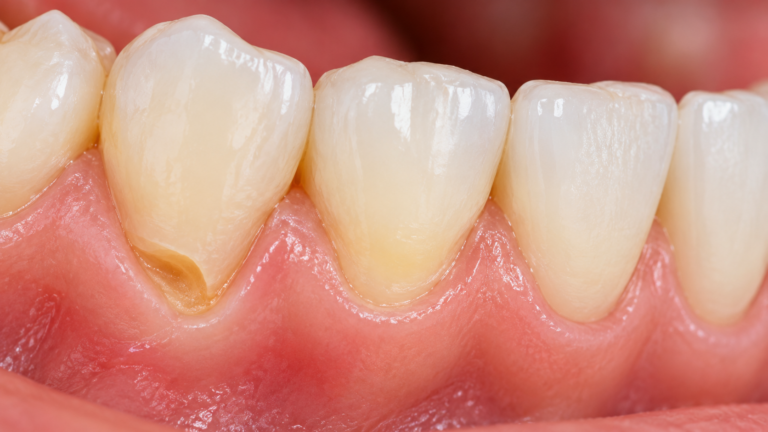
A chipped tooth, a weird gap, or that one spot of discoloration—doesn’t take much to make you feel uneasy about your smile. Good news: you don’t always need expensive veneers or crowns. Tooth bonding, also called dental bonding or composite bonding, is a straightforward fix for all sorts of minor blemishes, using a tooth-colored resin shaped right onto your tooth.
So, what’s the deal with tooth bonding? How does it work, and how long does it last? Can it stain, and—just checking—is it a thing you can do yourself at home?
Let’s break it down: what dental bonding is, how the process goes, who it’s good for, the cost, how long it sticks around, and how to keep bonded teeth looking fresh.
What’s Dental Bonding, Anyway?
Dental bonding uses a composite resin—a material that looks a lot like your natural teeth—to fix up or shape a tooth.
Here’s the gist: the dentist puts the resin onto your tooth, shapes it, hardens it with a special light, and polishes it so it blends in. They use it for things like:
– Fixing chips
– Evening out weird shapes
– Closing tiny gaps
– Making short teeth look longer
– Covering stains or discoloration
– Repairing small damage or cavities
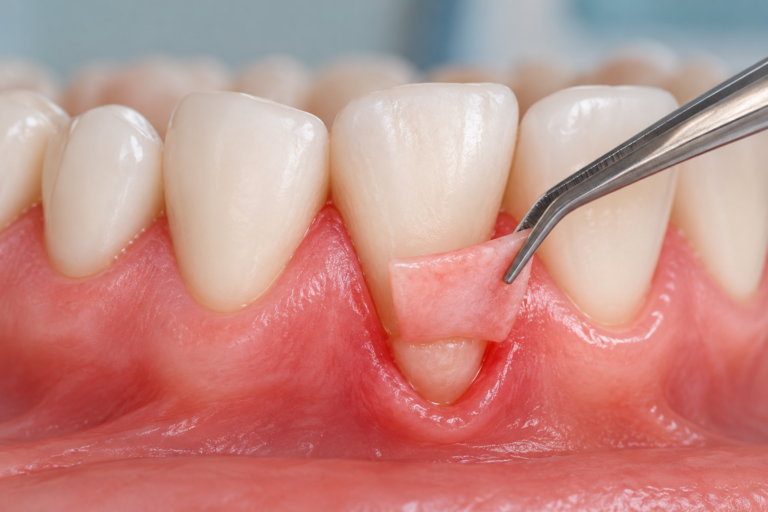
– Protecting exposed roots
– Improving the front teeth
Basically, with tooth bonding, the dentist adds this tooth-colored material to your tooth and bonds it tight to the surface. You’ll see different names for the procedure—composite bonding, cosmetic bonding, resin bonding—they all mean more or less the same thing.
Composite Bonding for Teeth: What’s That?
Composite bonding uses a resin mixed with fine, glassy particles; it’s soft enough to sculpt, then gets solid when exposed to a curing light. This lets the dentist rebuild a chipped edge, tweak the shape, or just give your tooth a quick cosmetic boost.
It matches your natural tooth color pretty well—so nobody’s going to notice. Unlike a crown, bonding doesn’t cover your whole tooth. And it won’t move your teeth like braces; think of it as reshaping, not relocating.
How Does Tooth Bonding Work?
Usually, you’re done in just one dental visit. Here’s how it plays out:
1. Dentist checks your tooth and gums
They look for decay, cracks, infection, or anything that needs attention first.
2. Picking the right shade
They grab a resin color that matches your teeth—especially if you’re bonding a front tooth. Small mismatch, big difference.
3. Prepping the tooth
Your tooth gets cleaned and prepped. They might use a conditioning agent to help the resin stick.
4. Applying the resin
The dentist lays the composite resin onto the tooth and carefully shapes it to look natural.
5. Hardening the resin
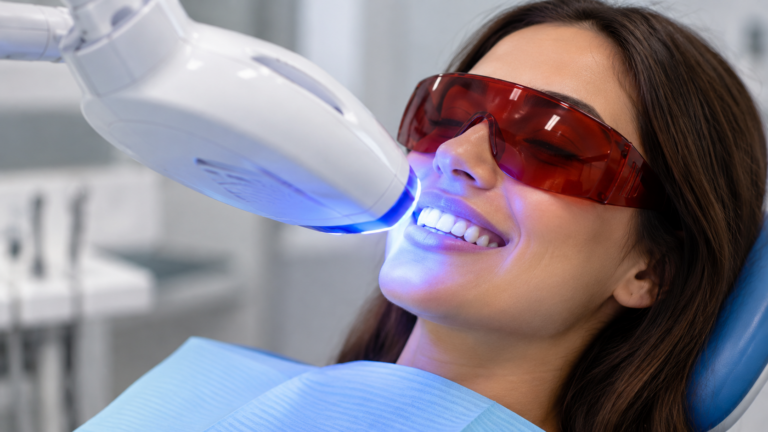
A dental curing light locks the resin in place. Sometimes they build it up in layers to get the fit and strength right.
6. Trimming and polishing
Once it’s set, they shape and polish everything. They check your bite, too, so nothing feels off.
And that’s why professional bonding is way more involved than just slapping glue on a tooth.
How Long Does it Take?
Bonding is pretty speedy—a single tooth might take 30 to 60 minutes. If you’ve got a tiny chip, it’s even faster. Multiple teeth or more complicated fixes? That’ll stretch the clock.
Tooth Bonding for Adults
Adults get bonding mostly to fix cosmetic flaws or minor damage—like:
– Chipped front teeth
– Small gaps
– Odd shapes
– Making uneven teeth look even
– Minor repairs
– Discoloration fixes
People like it because, most of the time, the dentist doesn’t have to take away lots of healthy tooth. But it’s not always the right move. The dentist will consider your tooth’s health, position, bite, and the amount of stress on it.
Can Bonding Make Teeth Straighter?
Bonding can make slightly uneven teeth look straighter, but it doesn’t actually move them. Add resin to a short or narrow tooth and voilà—visually aligned. But if your teeth are really crooked or your bite needs help, you’ll need braces or aligners. Think of bonding as shaping, not shifting.
Can Bonding Fix Chips or Breaks?
Absolutely—bonding is popular for chipped or cracked teeth. Lost a small piece? The dentist rebuilds it with composite. This works best for front teeth, since the resin blends in.
If the tooth’s badly broken or the nerve is exposed, though, bonding isn’t enough—other treatments might be needed.
Bonding vs Filling: Are They the Same?
Not quite. Fillings replace tooth lost from decay or damage. Bonding is generally for cosmetic fixes or minor repairs. Sometimes they overlap, since dentists use composite resin for both fillings and bonding—it’s mostly about the purpose.
Can Bonding Close Tooth Gaps?
Yep, for small gaps. The dentist adds resin to fill in space between teeth. But if the gap is big or caused by deeper issues (like gum problems or missing teeth), you’ll need more than bonding.
Does Tooth Bonding Hurt?
For most people, bonding’s painless. Usually, no anesthesia needed—unless there’s work close to the nerve or deeper repairs. Occasionally, you’ll get a bit of sensitivity after, but that clears up quickly. If you feel real pain or something’s just not right, give your dentist a call.
Does Bonding Stain?
It does. Composite resin stains a lot easier than natural enamel or porcelain. Drinks like coffee, tea, red wine—or smoking—can discolor it over time, especially on your front teeth.
Thinking about whitening? Talk to your dentist. Whitening changes your natural teeth, but bonded spots don’t lighten. For best results, whiten first, then bond.
How Long Does Tooth Bonding Last?
People always ask if it’s permanent. Short answer: no, but it’s durable. Dental bonding sticks around for several years—usually anywhere from 3 to 10, depending on the tooth, your bite, habits, and care.
You’ll need repairs sooner if you chew ice, bite your nails, grind your teeth, or use your teeth as tools. The location matters, too—the front teeth take a different beating than molars.
Front Tooth Bonding Strength
Bonding holds up well on front teeth, but it isn’t unbreakable. Bite something hard, get hit in the mouth—chips happen. If you grind your teeth, ask your dentist about a night guard.
Care for Bonded Teeth
Good hygiene goes a long way.
– Brush twice a day with a soft brush and fluoride toothpaste.
– Floss or use an interdental cleaner daily.
– Avoid chewing hard things like ice, pens, or your nails.
– Don’t use your teeth to open packages.
– Limit coffee, tea, tobacco, and other staining stuff.
– Protect your teeth if you grind at night.
– See your dentist regularly—let them check for cracks, wear, or stains.
Can You Bond Teeth at Home?
Lots of people search “how to bond teeth at home,” or “DIY tooth bonding.” Don’t do it. Professional bonding involves special materials, careful prep, moisture control, multi-step curing and polishing, and bite adjustment. Household adhesives are not made for your mouth.
Never use epoxy, super glue, or craft resin on your teeth—doesn’t matter what you read online. Stuff like Bondic or other home repair products aren’t safe for human teeth or gums.
DIY bonding can mess up your tooth, damage your mouth, interfere with your bite, or just make things worse. If you have a chip or break, see a dentist—not your kitchen junk drawer.
Dental Bonding Pros and Cons
Pros:
– Quick procedure
– Usually done in one visit
– Fixes chips
– Closes small gaps
– Can even out teeth
– Usually minimal prep
– Matches your tooth color
– Less expensive than veneers
Cons:
– Can chip
– Can stain
– Isn’t permanent
– Might need repairs or replacement
– Not great for big damage
– Shorter lifespan if you bite/chew hard things
Ultimately: depends on your teeth and what you’re looking for.
How Much Does Tooth Bonding Cost?
Cost depends on the number of teeth, how much composite you need, complexity, location, dentist experience, whether it’s cosmetic or restorative, and insurance.
Prices swing a lot, so don’t trust online averages—your dentist can give you a real estimate after checking your teeth.
Can Bonding Be Replaced?
Definitely. If bonding gets damaged, worn, or stained, your dentist can polish it, add more resin, fix the area, or swap it out completely. Sometimes the underlying tooth needs a new type of restoration.
When To See a Dentist—Not Wait
If you have severe pain, swelling, loose teeth, cracks, heavy bleeding, infection, or a badly broken tooth—get professional help. Cosmetic bonding comes later, after the real issue is sorted.
FAQs
Q. What is dental bonding?
A procedure where a dentist puts tooth-colored composite resin on your tooth to repair or boost its appearance.
Q. How does dental bonding work?
Prep the tooth, add bonding agent and resin, shape it, cure with light, polish for the final look.
Q. How long does bonding take?
Usually 30-60 minutes for a single tooth, but it varies.
Q. How long does bonding last?
Usually 3-10 years—depends on location, bite, habits, and upkeep.
Q. Does bonding stain?
Yes—it picks up stains from coffee, tea, tobacco, etc.
Q. Can bonding straighten teeth?
It can make them look straighter by reshaping, but won’t actually move them. Braces handle real movement.
Q. Can you eat after getting teeth bonded?
In most cases, yes. If you had anesthesia, wait till feeling comes back.
Q. Can you bond a missing tooth?
Nope—bonding won’t replace a whole missing tooth. You’ll need implants, bridges, or dentures.
Q. Is bonding permanent?
Not really—it’s sturdy for a while, but not forever. You’ll need repairs over time.
Final Takeaway
Tooth bonding is a handy fix for chips, small gaps, reshaping, and cosmetic upgrades. It’s fast, conservative, and looks natural when done right. But it’s not a cure-all—it can stain or chip, and isn’t meant for big damage or infection.
And seriously—never try to bond a tooth at home. Epoxy, super glue, craft resin, or anything from your toolbox is a recipe for pain and bigger problems.
If your tooth is chipped, broken, painful, or just bugging you, go see a dentist. If you’re thinking about cosmetic bonding, ask your dentist about how long it’ll last, how to care for it, costs, and your best options. That way, you can make an informed decision—and get your smile back without stress.