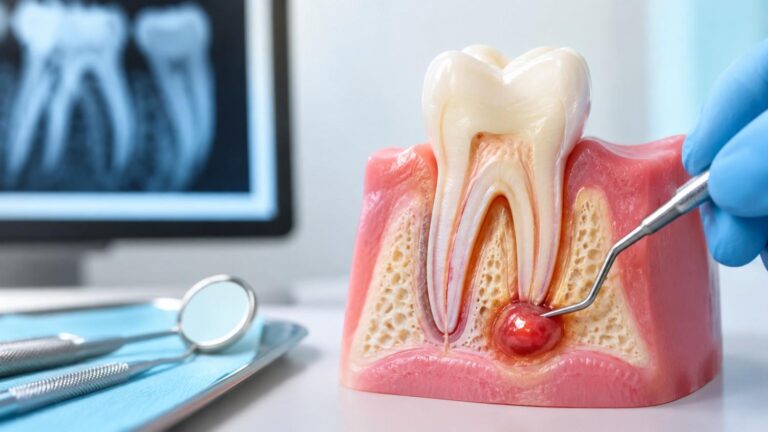
Losing a tooth doesn’t just mess with your smile—it can make chewing tough and knock your confidence. Still, you don’t always need to crown teeth on both sides to fill a gap. That’s where a cantilever dental bridge comes in. But it isn’t right for everyone. You really need to understand its pros and cons before jumping in.
A cantilever bridge relies on support from just one side of the gap where your tooth’s missing. Sometimes it attaches to a natural tooth, other times to an implant. Dentists look at where your missing tooth is, how strong the support is, and how your bite works before giving you the thumbs-up for this option.
Here’s what you should know—how a cantilever bridge works, what it costs, the perks and risks, and how it stacks up against other choices.
What’s a Cantilever Dental Bridge?
A cantilever bridge is a fixed replacement for a missing tooth. Unlike the classic bridge that needs teeth on both sides to anchor it, a cantilever bridge takes support from just one tooth or one implant next to the gap. Imagine a diving board that’s only attached at one end. That’s basically the idea.
You’ll find three big players in a cantilever bridge:
– Abutment tooth: That’s the tooth doing all the supporting.
– Pontic: The replacement tooth itself.
– Retainer crown: This is the crowning piece holding the bridge onto your support tooth.
Usually, dental cement or strong bonding keeps everything in place.
What’s a Pontic Tooth?
The pontic is just the artificial tooth filling the missing spot. It’s shaped and colored to blend with your natural teeth. The abutment gives it support, and the pontic restores your looks and ability to chew. When you get how those two work together, the whole bridge concept starts to make sense.
How Does a Cantilever Bridge Work?
So, here’s where it gets interesting. When you bite down, the bridge channels that bite force through one support. The pontic—since it sticks out from just one side—creates a turning force on the support tooth or implant. That extra force is a big reason dentists check your bite and chewing habits, plus how strong your anchor tooth is, before they suggest a cantilever bridge.
They look at:
– Where your missing tooth is
– How solid your support tooth or implant is
– How long the pontic needs to be
– Your biting and grinding habits
– What materials will hold up best
If everything lines up, a cantilever bridge does the job. But put too much pressure on it, and you risk loosening things up or even damaging the abutment tooth.
Kinds of Cantilever Dental Bridges
Dentists have a few ways to build a cantilever bridge, depending on which tooth’s missing and the support available.
1. Traditional Cantilever Bridge
This one usually means the dentist crowns a healthy tooth beside your gap for support. Some enamel will have to go, so once you go this route, there’s no turning back.
2. Resin-Bonded Cantilever Bridge
Sometimes called a “Maryland bridge,” this version uses a metal or resin wing glued to the back of your supporting tooth with minimal drilling. It’s great for certain front teeth, where looks matter, but only if your bite is just right and you’re not biting down too hard out front.
3. Cantilever Implant Bridge
Instead of using a natural tooth, this builds on a dental implant. The replacement tooth sticks out past the implant, which can load the implant with more force. Your dentist really has to plan carefully—especially around bone health and position—before recommending this.
When Do You Use a Cantilever Bridge?
Dentists look at cantilever bridges when a patient is missing a tooth and only has a solid support on one side—maybe a healthy tooth, maybe a well-placed implant.
Cantilever Bridge for Front Teeth
These bridges are often best for certain front teeth, like lateral incisors (the ones next to your two main front teeth). Since this area is right up front, dentists pay extra attention to matching color, shape, and how everything lines up. Learn more about dental bridge treatment options before discussing the best choice with your dentist.
Can a Cantilever Bridge Replace a Molar?
Usually not the best idea. Molars handle most of the chewing force, and a cantilever design can stress the support too much. Usually, dentists suggest a traditional bridge, a dental implant, or maybe a removable partial for back teeth.
Why Get a Cantilever Dental Bridge?
Used in the right spot, cantilever bridges have some real perks:
– Fills a gap, even if there’s only support on one side.
– Looks natural—you get your smile back.
– Fixed in place; you don’t have to take it out.
– Sometimes cheaper than implants.
– Lets you chew better and talk more naturally.
Everything depends on a solid plan and a healthy support tooth or implant.
Downsides and Risks
Let’s be real: there are a few drawbacks.
– All that force gets focused on one support.
– The bridge (or tooth) can loosen over time.
– Supporting tooth can get damaged—think decay or cracks.
– Food and gunk can build up by the pontic and along the gum.
– Not always a good fit for heavy-load teeth like molars.
If you need a crown, some healthy enamel will have to be removed, and that’s permanent. Always talk this through with your dentist.
Cantilever Bridge vs. Traditional Bridge
Cantilever Bridge: A cantilever dental bridge is supported by one or more teeth on only one side of the missing tooth. It usually relies on a single supporting tooth, and the amount of tooth preparation depends on the design and individual case. The main concern is the extra force placed on the supporting tooth. This type of bridge may be suitable for selected cases where one-sided support is appropriate.
Traditional Bridge: A traditional dental bridge is supported by teeth on both sides of the missing tooth. It usually relies on two or more supporting teeth, which are generally prepared for crowns to hold the bridge in place. The main consideration is the effect on multiple supporting teeth. This type of bridge may be suitable when healthy, appropriately positioned supporting teeth are available on both sides of the gap.
How Much Does a Cantilever Dental Bridge Cost?
Prices swing a lot depending on where you go, what materials are used, and how tricky your case is. Factors like:
– Type of bridge and materials
– Condition of your support tooth or implant
– Exams, x-rays, and lab costs
– Any extra treatments for decay or gum issues
– Insurance and maintenance plans
Resin-bonded bridges might cost less than a full crown bridge. Implant-supported designs are usually the most expensive given the surgery involved. Always ask for a clear, itemized estimate.
Temporary Dental Bridge Cost
While you wait for for the real deal, a temporary bridge keeps things comfortable. Sometimes it’s lumped into the total price, sometimes not. Just remember, these are short-term fixes—not built to last.
How Does the Dentist Fit a Cantilever Bridge?
Each dentist has their style, but here’s the general flow if you need a traditional, crown-supported bridge:
1. Dental exam—checking your teeth, gums, and bite. Might get x-rays.
2. Tooth prep—if you need a crown, some enamel comes off. Resin ones need less drilling.
3. Impressions/scans—they get a mold or digital scan for the lab.
4. Temporary bridge—covers the gap while your final is made.
5. Fitting—your dentist tries in the bridge, checks fit and bite, then cements it.
6. Follow-up—just to be sure you’re comfortable and everything’s holding up well.
How Long Does a Cantilever Bridge Last?
There’s no guaranteed lifespan, but you can get years out of a well-made bridge if you:
– Brush twice a day with fluoride toothpaste.
– Clean under the pontic daily.
– Use floss or small brushes for the hard-to-reach areas.
– Visit the dentist for regular checkups.
– Don’t chew ice or anything crazy hard.
– Get your dentist’s help if you grind your teeth at night.
Eventually, all bridges wear out. Regular checkups help catch any problems early.
Cantilever Bridge vs. Dental Implant
Dental implants replace the root itself with a titanium post, then cap it with a crown. Cantilever bridges fill the gap by borrowing support from a neighbor.
If you go with a natural tooth for support, that tooth will need prepping (sometimes aggressively) for a crown—but you skip the surgery. Implants avoid altering nearby teeth, but take surgery and months of healing.
Usually, your bone and gum health, the state of your neighboring teeth, cost, and what you’re comfortable with will guide the final pick. Weigh the long-term pros and cons with your dentist.
How to Care for Your Dental Bridge
Keep things clean and strong by:
– Brushing gently but thoroughly around the bridge.
– Cleaning under the pontic every day.
– Skipping hard objects—don’t test your bridge on ice cubes.
– Staying regular with dental visits.
– Calling your dentist fast if you feel pain, swelling, or your bite feels off.
If your bridge ever comes loose, stop chewing on that side and see your dentist—a DIY fix isn’t safe.
Frequently Asked Questions
Q. Is a cantilever bridge safe?
If your support tooth, bite, and bridge design are solid, yes. If not, there’s risk of loosening or damage.
Q. Can a cantilever bridge replace a lateral incisor?
Sometimes—especially for certain lateral incisors. Your dentist needs to check the support, bite, and surrounding teeth first.
Q. What’s a five-unit dental bridge?
That just means the bridge has five parts (supports or pontics). It doesn’t automatically mean it’s a cantilever.
Q. What’s a two-pontic, two-abutment bridge?
That’s a bridge with two fake teeth (pontics) and two anchors (abutments). Doesn’t say much about whether it’s cantilever or not.
Q. Are dental bridge pictures helpful?
They show you how parts fit together, but they won’t tell you if a bridge works for your actual teeth.
Q. Is a cantilever bridge removable?
No—once it’s cemented, it stays in place. If you want something you can take out, ask about partial dentures.
Q. What’s a Maryland bridge?
It’s a resin-bonded bridge, often for front teeth. It preserves more enamel but isn’t as sturdy as traditional options.
In the End
A cantilever dental bridge is a solid way to replace a missing tooth when there’s good support on just one side. It can restore your smile and chewing ability, but it does put extra work on your anchor tooth or implant.
Make sure you talk with your dentist about your support tooth, total costs, how much maintenance you’ll need, and your other options—like traditional bridges or implants. The best answer always comes down to a dental exam and a plan that fits you.
References
- Cleveland Clinic: Dental Bridges
- American Dental Association: MouthHealthy
- Healthline: Dental and Oral Health