Toothaches aren’t just annoyances—they can ruin your appetite, steal your sleep, and make it nearly impossible to focus. Maybe you get a sharp jolt when you sip something cold, or maybe it’s a throbbing pain that keeps you up at night. Either way, when your tooth hurts, all you want is for it to stop. So it’s no wonder people start Googling “essential oils for toothache” and hoping for a natural fix.
Oils like clove, peppermint, tea tree, and oregano pop up a lot in these searches. Some of these have compounds that researchers have looked at for numbing or fighting germs. But not every “natural” remedy is safe for your mouth—and the science is really uneven from one oil to the next.
Here, we’ll break down which essential oils are most talked-about for tooth pain, take a closer look at clove and peppermint, explain which oils get mentioned for gum pain, and—maybe most important—what you should know before you reach for the bottle. We’ll also get real about why essential oils can’t fix a true tooth infection or reverse a cavity that’s already formed.
What Causes Toothache?
Before you reach for the oils, you really need to figure out why your tooth hurts. Pain is just a signal—there’s always a root problem behind it, and only the right treatment actually solves it.
Some of the usual suspects:
– Tooth decay: Bacteria eat away at your enamel and can make a cavity.
– Tooth sensitivity: Worn-down enamel or exposed roots can make your teeth freak out with cold, heat, or sweets.
– Gum disease: When plaque builds up, your gums can get sore, swollen, or might even bleed.
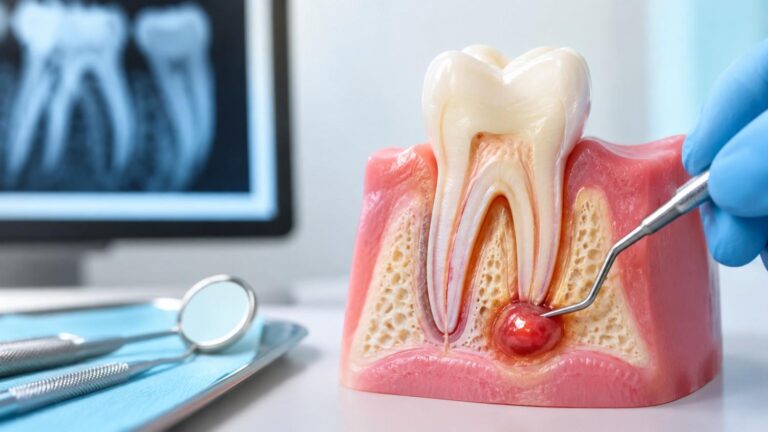
– Dental abscess: If an infection sets in, you can end up with a painful lump of pus that really hurts.
– Cracked teeth: If you break or crack a tooth, you’ll probably feel it, especially when you bite down.
– Wisdom teeth: When these come in crooked or there’s not enough space, they trap food and often cause irritation or infection.
Essential oils might dull the pain for a bit, but they won’t fix the cause. If your tooth keeps hurting or the pain’s really bad, don’t wait—go see your dentist.
Essential Oils People Try for Tooth Pain
Lots of oils get hyped for toothaches, but not all of them have solid evidence behind them.
1. Clove Oil
For ages, clove oil has been the go-to home remedy, and with good reason. It contains eugenol, which actually numbs nerves and has been used by dentists for over a century.
But here’s the catch: The stuff in professional dental products isn’t the same as the concentrated, undiluted oil in an aromatherapy bottle. Is clove oil good for tooth pain? It can take the edge off for a while—if you use the right product—but it can’t heal the tooth, patch a cavity, or cure an abscess.
How to use it safely:
– Only use a product labeled for dental or oral use!
– Follow the directions—don’t get creative.
– Never put undiluted clove oil straight on your gums.
– Don’t pour oil into a cavity or swallow it.
– If your mouth feels like it’s burning, gets more painful, or you notice irritation, stop right away.
Not every clove oil product is meant for your mouth. Most sold for aromatherapy aren’t safe to use orally—so double-check before you try anything.
2. Peppermint Oil
Peppermint oil is popular too. It’s got menthol, which gives that icy-cool feeling and can mess with pain signals for a bit.
Is it actually good for a toothache? Honestly, there’s not much evidence. It can help you feel less bothered for a little while, but it won’t solve deep problems like inflamed nerves, infection, or decay. Plus, concentrated peppermint oil can be harsh—don’t use it straight on your gums, and skip the DIY mouthwash.
If your wisdom tooth hurts, peppermint oil isn’t a fix, either. Until you know what’s happening under the gum, you’ll need a dentist to sort it out.
3. Tea Tree Oil
You see a lot about tea tree oil killing germs and fighting infections—some of that’s true in a petri dish. But strong proof it works for toothache just isn’t there. Plus, tea tree oil is actually toxic if you swallow any, so definitely skip the homemade mouthwash or applying it straight to sore gums or teeth.
It simply isn’t a reliable treatment for infections—only professional dental care is.
4. Oregano Oil
Oregano oil is another one with compounds (like carvacrol and thymol) that researchers find interesting because of their antimicrobial effects. But, again, that’s mostly lab research—not enough real-world evidence to recommend it for your tooth.
Besides, concentrated oregano oil is rough on oral tissue. Don’t put it on your tooth or gums, and don’t count on it to kill bacteria or fix an abscess.
5. Frankincense Oil for Gum Pain
People talk about frankincense for inflammation, especially when their gums hurt. But there just isn’t good evidence that it helps with gum disease or tooth pain. Real gum disease needs serious plaque removal and, a lot of times, professional help.
If your gums are inflamed, don’t rub frankincense oil on them.
6. Eucalyptus Oil
Eucalyptus oil contains eucalyptol, which shows up in some mouthwashes and toothpastes. It’s been looked at for killing bacteria. That doesn’t mean you should use undiluted eucalyptus oil on your teeth or gums though—it’s actually dangerous if swallowed.
If you’re interested in something with eucalyptus, stick to well-made products for oral use—don’t make your own mix.
Other Natural Oils People Try
You’ll also hear about coconut oil, olive oil, and neem oil for toothaches. Here’s how they stack up:
Coconut oil: Swishing it (oil pulling) is a tradition in some cultures. Some tiny studies look at possible oral benefits, but oil pulling doesn’t treat cavities, infections, or ongoing pain.
Olive oil: Some of its natural compounds might be good for health in general, but just putting olive oil on a sore tooth doesn’t have proven pain relief, and won’t fix anything underneath.
Neem oil: Neem’s been studied for fighting oral bacteria, but neem oil isn’t a proven pain treatment and could be unsafe if swallowed.
Tulsi (holy basil): It’s used in traditional remedies, but strong clinical proof it helps toothache just isn’t there.
So while these might pop up in folk remedies, none are real solutions if you have an actual tooth problem.
Can Essential Oils Treat a Tooth Infection or Abscess?
Nope. No essential oil should be your “home cure” for a dental abscess.
A dental abscess means a pocket of pus from a bacterial infection. It can be really serious—think sweater, facial swelling, chewing pain, a nasty taste, or even fever. Oils like clove, peppermint, tea tree, and oregano can’t get rid of an infection deep inside your tooth.
Dental abscesses need professional care, and sometimes antibiotics or even surgery. If you think you have an abscess, especially if you have trouble swallowing, breathing, or notice swelling near your eye—get emergency help right away.
Can Essential Oils Reverse Cavities or Rebuild Enamel?
Short answer: No, essential oils can’t reverse cavities, regrow enamel, or heal serious decay.
Some early decay might be stopped or reversed with fluoride, better hygiene, and diet fixes—but not by essential oils. Once a cavity breaks through the tooth’s surface, you need proper dental repair.
If you want to protect your enamel for real:
– Brush with fluoride toothpaste twice a day.
– Clean between your teeth every single day.
– Cut back on sugar and acidic drinks.
– Keep up with dental checkups.
These things actually work. Essential oils don’t.
How to Handle Toothache at Home (Safely)
Can’t get to your dentist right away? Here’s what helps in the meantime:
1) Rinse with warm salt water
Mix half a teaspoon of salt into warm water, swish, and spit. This can clear gunk but won’t cure true infections.
2) Cold compress
Swollen cheek? Wrap a cold pack in a towel and put it on your face (outside, not in your mouth) for short stints.
3) Keep teeth clean
Use a soft toothbrush and fluoride toothpaste. If there’s food stuck, try to gently get it out—don’t force anything.
4) Avoid trigger foods
Stick to soft foods and chew on the opposite side. Skip anything hot, cold, sugary, or super acidic.
5) Pain relief
Talk to a pharmacist to find an over-the-counter painkiller that’s right for you, based on your health and other meds. Always follow instructions—don’t put aspirin on your tooth or gums.
Remember: These are just stopgaps. If the pain continues, gets worse, or keeps coming back, book a dental appointment.
When to See a Dentist
Essential oils won’t cut it if:
– Your tooth hurts for more than a day or two
– You can’t bite or chew without pain
– Gums swell or bleed
– There’s pus, a bad taste, or a lump near a tooth
– Your face swells or you get a fever
– It’s so bad, you can’t sleep
– The pain gets worse or more sensitive, especially in one tooth
Dentists can find what’s really wrong and treat it before things get out of hand.
Common Questions
Q. What’s the best essential oil for toothache?
Clove oil (specifically, eugenol from clove) is well known in dental care, but concentrated clove oil can damage tissue. Use only products meant for teeth, and follow the directions. Always see a dentist for ongoing pain.
Q. What oil helps a throbbing toothache?
No oil can kill the source of the pain. Clove oil in a dental product might dull discomfort, but if the tooth keeps throbbing, see your dentist asap.
Q. Is peppermint oil good for tooth pain?
It can cool things off briefly, but there’s not much real evidence. Don’t put pure peppermint oil on your teeth or gums.
Q. What essential oil is good for gums and teeth?
Some plant extracts are used in legit dental products, but pure essential oils are not substitutes for proper brushing, flossing, or gum treatment from a professional.
Q. Are essential oils used in dentistry today?
Yes, some plant-derived compounds like eugenol are still used in dental products made by professionals—that doesn’t mean it’s safe or smart to use pure oils on your own.
Q. Can I use essential oils for my dog’s tooth infection?
Absolutely not. Many essential oils are straight-up toxic to dogs. If your pet has dental pain or swelling, call your vet.
Final Thoughts
People love home remedies, especially for quick, “natural” pain relief. Clove oil does play a role in some dental products, and other oils like peppermint or tea tree have been studied for possible benefits. But at the end of the day, essential oils can’t cure infections, rebuild enamel, or repair cavities—and strong oils can even hurt your mouth or make you sick.
If you’ve got a toothache, stick to safe, temporary steps and make an appointment with your dentist to find the real cause. That’s what actually keeps your teeth healthy and brings lasting relief.