Ever catch a glimpse of a brown spot on tooth and feel a little panic? You’re not alone. Maybe it’s just a faint mark near your gum, a tiny brown hole, or some patchy brown discoloration that seems to stand out more every time you brush. No matter where it pops up, it’s natural to worry.
Here’s the thing—brown spots don’t always mean you’ve got a cavity. Sometimes, these spots are just stains from coffee, tea, wine, or long-time smoking. Other times, they tell a deeper story: maybe there’s tooth decay, weak enamel, too much childhood fluoride, past tooth injuries, or other dental issues at play.
What Is a Brown Spot on Tooth?
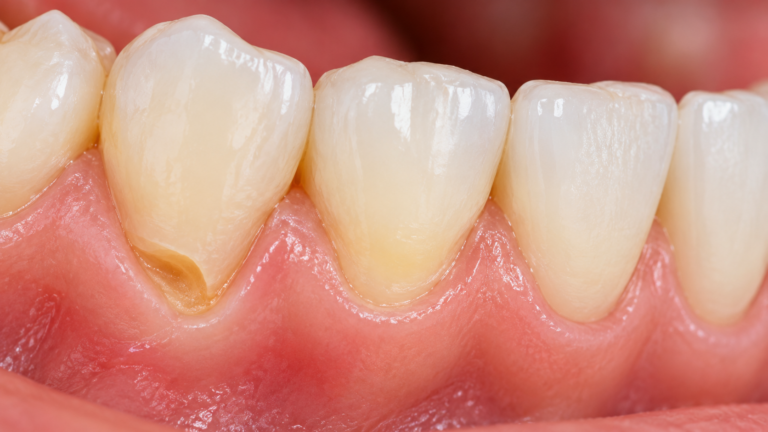
A brown spot is just what it sounds like—a patch on your tooth that looks darker than the rest. Sometimes it’s just a faint stain. Other times it might be a brown line, a dark patch between your teeth, or a stubborn mark by your gum that refuses to budge.
Here’s how those spots can show up:
– Light or dark brown patches
– Vertical brown lines down your teeth
– Brown stains sticking to the sides or backs
– Spots hiding between teeth
– Stains right at the gum line
– Discoloration that just doesn’t budge no matter how much you brush
How these spots show up on your teeth says a lot about what’s causing them.
Here’s what you should know:
– Brown stains near your gums? That’s almost always tartar or plaque hanging around.
– See spots between your teeth? Sometimes it’s just tough stains from your food and drinks, but it can also mean cavities.
– When you notice vertical brown lines, that usually means your enamel’s been through a lot, or you’ve got some really old, deep stains.
– A dark spot by the root—well, that usually signals root decay.
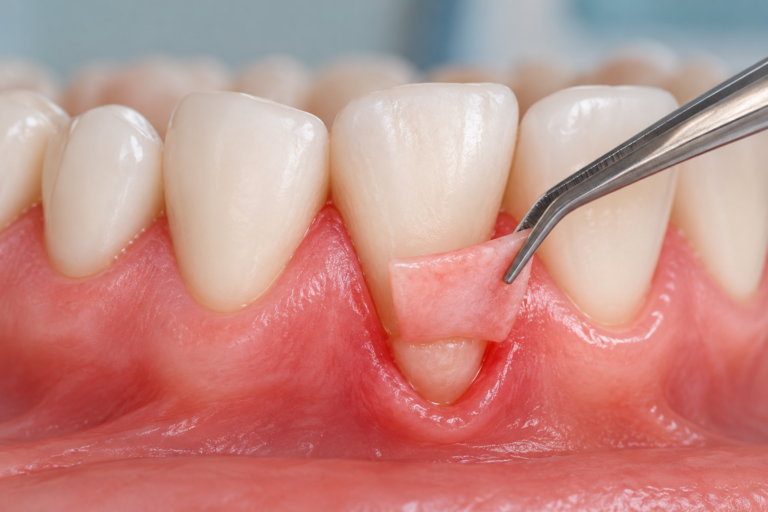
– And if you spot brown patches right at your gumline, gum recession or tartar buildup is probably to blame.
The Main Reasons Teeth Turn Brown
1. Food and Drink Stains
Coffee, tea, red wine, cola, curries, soy sauce, and berries are all big offenders. If you love your tea or coffee, you might notice stubborn “tea teeth” over time—dentists call this staining from tannins. Pigments work their way into tiny enamel pores, leaving brown lines and streaks, especially near the gums or between the teeth.
2. Plaque and Tartar
If you don’t clean off plaque, it hardens into tartar. Tartar can be yellow, brown, orange—even black. These hardened deposits tend to collect at the gum line and often cause brownish or dark stains you can’t brush away. Only a dentist or hygienist can remove them safely.
3. Tooth Decay (Cavities)
Not all cavities look like big black holes. Cavities often start as pale, chalky spots. Over time, these can turn light brown, then darker. If you spot a rough, brown or black mark—especially if it hurts or feels sticky—you might have decay.
4. Fluorosis
Kids who get too much fluoride while their adult teeth are developing sometimes wind up with white streaks, brown mottling, or even pitted spots on their teeth. Don’t worry, you can’t get fluorosis as an adult—it only happens while your teeth are still forming.
5. Enamel Defects
Sometimes a discolored patch has been there since you were little—a sort of tooth “birthmark.” These areas may pick up stains faster than the enamel around them.
6. Trauma or Tooth Injury
Got hit in the mouth or had a bad fall? Sometimes the inside of the tooth is damaged, and months later, the tooth might turn brown, gray, or black.
7. Aging
As you get older, your enamel thins out, and that natural yellow dentin underneath starts to peek through. Teeth can darken or stain more easily.
8. Smoking and Tobacco
Tobacco is rough on teeth. The longer you smoke or chew, the more stubborn and dark those stains become.
9. Medications
Certain meds—like tetracycline antibiotics, iron supplements, some allergy pills, and a few blood pressure drugs—can discolor teeth. You’ll usually see brown, gray, or dark streaks.
10. Root Decay
This hits older adults most. When gums pull back and roots are exposed, spots can show up fast and need quick attention.

Stain or Cavity? Here’s how to tell:
If the spot feels smooth, doesn’t hurt, stays about the same size, and sometimes fades with brushing—it’s probably just a stain. – Cavities tend to feel rough or sticky, may hurt with cold or sweet foods, get bigger over time, and might trap food.
Not sure? If a brown spot stays put or looks like it’s spreading, book a visit with your dentist.
Why Are My Teeth Suddenly Brown?
Sometimes teeth darken over days or weeks. Maybe you started drinking more tea or coffee, started a new medication, slacked off with brushing, picked up smoking, or just haven’t had a cleaning in a while. If your teeth are turning brown quickly or you can’t figure out the reason, let your dentist take a look.
Brown Spots Between Teeth
Spots popping up between teeth are easy to miss but often mean early decay, tartar, or stains from poor flossing. These areas can get worse fast, and sometimes X-rays are needed to see how deep the problem goes.
Brown Spots Near the Gum Line
These are nearly always caused by built-up plaque and tartar, smoking, gum recession, or all three together. Professional dental cleanings usually clear these right up.
Can Teeth Turn Orange or Green?
Yep. Some people get orange or green stains, usually thanks to certain bacteria—chromogenic types that produce their own dyes and stick to plaque. You mostly see this with kids or in people with poor oral hygiene.
How Dentists Pinpoint the Problem
Your dentist will look closely at the color and location of the spot, might take X-rays to check for hidden decay, and sometimes shine a special light (transillumination) to look for cracks or defects inside the tooth. They’ll also ask about your eating, hygiene, and dental history, as well as any medications or injuries.
How to Get Rid of Brown Spots on Teeth
Treatment depends on what’s causing the spots.
1) Professional Dental Cleaning
Great for stains from plaque, tartar, and surface food stains. A proper cleaning can work wonders, especially for brown marks that have built up quietly over time.
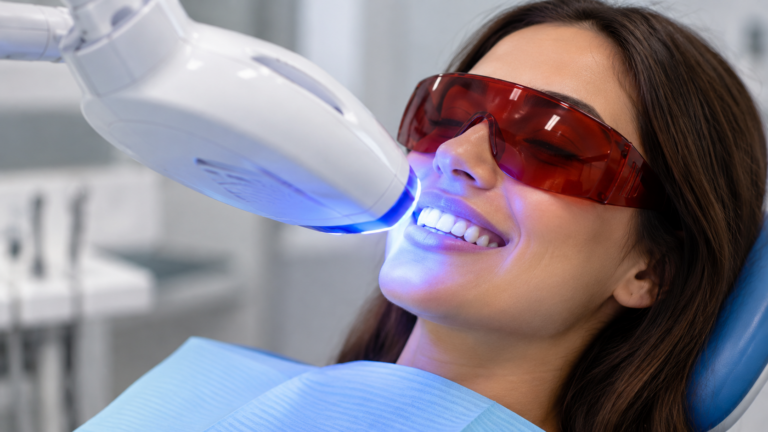
2) Teeth Whitening
Whitening works best for stains from coffee, tea, wine, and tobacco. It doesn’t help with spots from cavities, fluorosis, or old trauma. That’s why not every stain “bleaches out.”
3) Dental Bonding
With smaller or stubborn spots, your dentist can use tooth-colored resin to cover stains or enamel defects. It’s quick, painless, and affordable.
4) Veneers
For severe discoloration that won’t budge with other treatments—like deep fluorosis or large enamel defects—veneers can totally transform the look of your teeth.
5) Fillings
If the brown spot is actually a cavity, the dentist will clean out the decay and place a filling. The sooner you catch it, the smaller the repair.
6) Root Canal
When a dead or injured tooth darkens from the inside, a root canal followed by internal bleaching or restoration sometimes brings back your tooth’s natural color.
DIY: Can You Remove Brown Stains Yourself?
Some light stains come off at home. Brush twice a day with fluoride toothpaste. Never skip flossing, especially if the stains are between your teeth. Rinse with water after drinking coffee, tea, or wine. Sometimes, just cutting back on staining foods and drinks helps. But deep stains, tartar, or decay won’t budge—those need professional care.
What Not to Do
Do NOT try to scrape stains off with metal tools (you’ll wreck your enamel). Don’t use harsh scrubbing powders or hit your teeth with endless whitening treatments or DIY “hacks” with lemon juice or vinegar—these only make things worse.
How to Prevent Brown Spots
Simple habits go a long way:
– Brush thoroughly every morning and night with fluoride toothpaste
– Floss daily to keep spaces between teeth clean
– See your dentist twice a year for cleanings and check-ups
– Rinse with water after you drink coffee or tea
– Don’t smoke or use tobacco
– Use fluoride wisely—enough to protect, never too much
– Wear a mouthguard if you play contact sports
FAQs About Brown Spots on Teeth
Q. Are black spots always cavities?
Nope. Some are just tough stains or tartar. That said, don’t ignore a black spot—dentists are great at telling the difference.
Q. Can tea permanently stain teeth?
If you drink lots of tea every day, those stains can be hard to remove. Most fade with a good cleaning, but sometimes older stains require whitening or bonding.
Q. Why is there a darker spot growing on my tooth?
Could be a stain, a cavity, old injury, weak enamel, or just aging. Your dentist can spot the cause right away and offer a fix.
Q. Can healthy teeth show dark dentin?
Yes—when enamel gets thin, the naturally darker dentin underneath can show through, even if the teeth are perfectly healthy.
Q. How do I get rid of brown stains between teeth?
Daily flossing helps prevent new stains. Old stains lodged between teeth almost always need a professional cleaning for best results.
Final Thoughts
Seeing a brown spot on tooth doesn’t mean you’ve got a cavity, but it does deserve attention. These spots can come from something as simple as coffee stains or as serious as tooth decay or enamel damage. Identifying the cause early makes fixing it much easier.
Some stains brush away with a cleaning; others need fillings, whitening, bonding, or even veneers. If you notice a brown spot sticking around, especially near the gum or between teeth—or if your teeth seem to be darkening quickly—don’t wait. Book a dental visit and catch the problem before it gets worse.
Your smile reflects your habits, health, and history. Stay curious about what your teeth are telling you—acting quickly can save you a lot of hassle down the line.