Have you noticed one of your teeth looks longer than it used to? Maybe your gums have pulled back, and now you see a yellowish spot near the base of your tooth. Sometimes you might get a sharp jolt of pain from cold drinks, sweets, or just when you brush.
These are pretty classic signs of an exposed tooth root.
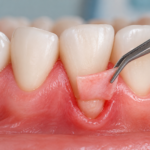
When your gum tissue pulls away—a problem called gum recession—it leaves some of the tooth’s root surface out in the open. This can happen to just one tooth or several, and it’s especially common around the front and bottom teeth.
Sometimes it doesn’t hurt, but even if you don’t feel anything, you can’t just shrug it off. Exposed roots are much more sensitive to pain, more at risk for tooth decay, and can bring on other dental problems.
The upside: There are quite a few ways your dentist can help, from easing the pain to protecting your roots and stopping further damage to your gums.
What’s an Exposed Tooth Root, Anyway?
Think of every tooth as having two main parts:
Crown: The bit you see in your mouth, coated with tough enamel.
Root: The part below the gum, anchoring the tooth in your jaw.
Now, the enamel does a great job protecting your crown, but it doesn’t cover the root. Instead, the root has a thin layer called cementum, and under that is dentin. Dentin’s full of tiny little tunnels that connect straight to the inner tooth.
When your gums recede and the root is exposed, those tunnels are suddenly open to whatever you eat or drink. That’s why even a sip of cold water can sting.
You might notice your tooth looks longer, there’s a darker or yellow section at the gumline, or even a small gap between the gum and tooth.
An exposed root, on its own, usually isn’t an emergency, but it’s still smart to let a dentist check it out before you end up with bigger problems.
What Causes Teeth Roots to Get Exposed?
There are quite a few reasons, and it’s not always just one thing:
1. Gum Recession
This is the big one. Gums gradually pull away from the tooth for all kinds of reasons—overzealous brushing, gum inflammation, the way you’re built (thanks, genetics), thin gum tissue, or just having teeth positioned in tricky spots. For some people, it creeps up over years. For others, it seems to happen almost overnight.
2. Gum Disease
Bacteria in plaque irritate the gums. Early on (gingivitis), you might get redness, swelling, or bleeding. If it gets worse and turns into periodontitis, the infection can actually eat away at the bone and tissues holding your teeth. Then the gums pull back, and roots get exposed. In the worst cases, teeth can get loose.
3. Brushing Too Hard
Scrubbing super hard won’t make your teeth cleaner, but it will wear away your gums. Hard bristles or heavy-handed brushing are a big part of gum recession, so you want to be gentle (and stick with a soft-bristled brush).
4. Genetics and Naturally Thin Gums
Some folks are just born with thinner gums that recede more easily, even if they’re careful about brushing and flossing. So, gum recession doesn’t always mean you’re neglecting your teeth.
5. Crooked or Misaligned Teeth
When your teeth don’t sit where they’re supposed to, the gums—especially up front—can’t support them as well. This leaves those teeth more at risk for gum recession.
6. Teeth Grinding and Smoking
Grinding or clenching (whether you do it on purpose or not) puts extra pressure on your teeth and gums. Smoking is rough on your gums, too—it ramps up your risk for gum disease and slows healing. If you grind your teeth or smoke, talk to your dentist.
What Symptoms Should You Watch For?
Not everyone gets pain, but these are some signs an exposed root is causing trouble:
- Tooth feels sensitive—sharp pain from cold, hot, or sweet foods and drinks.
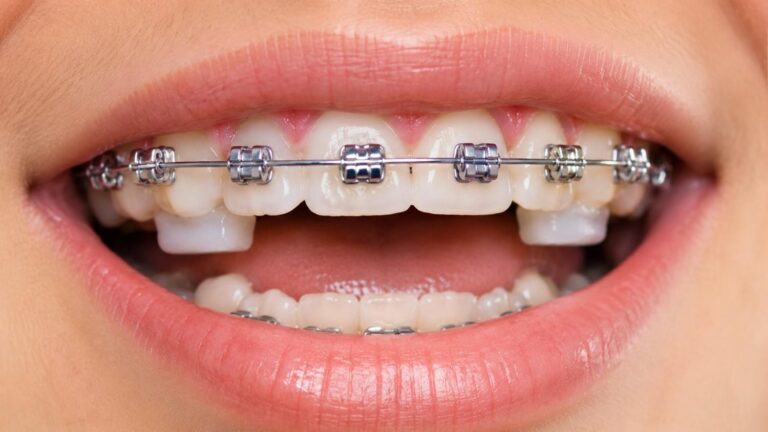
- Tooth looks longer—gums have pulled back.
- Root looks yellow or darker than the crown.
- Gums feel tender, especially when brushing.
- Gums bleed, suggesting they’re inflamed.
- Small gaps appear between tooth and gum.
- Tooth feels loose (usually in advanced gum disease).
You might not have all of these at once, and some people don’t feel pain at all. Still, if your teeth are suddenly sensitive, gums are bleeding, or your gumline looks different, don’t wait around—get checked out by your dentist.
Why Does It Hurt So Much?
Enamel protects the part of your tooth you chew with. But down near the root, you’re only covered by thin cementum. Once that wears away, the dentin channels underneath start picking up sensations—cold, hot, sweet, and even pressure. That’s why a quick gulp of ice water or a bite of candy can send you sky-high.
That’s called dentin hypersensitivity. If you’re dealing with severe or unrelenting pain, there could be something else going on—root decay, an infection, a crack in the tooth, or even an abscess. Let a dentist figure out what’s up.
Kids’ Teeth Exposed at the Gumline—Is It Normal?
Sometimes parents spot that their child’s lower teeth look weirdly long, or the gums look different. If it’s a new permanent tooth poking through, that can be normal—the gums shift a bit as teeth come in. But true root exposure isn’t something to ignore.
What can cause this in kids?
- Permanent teeth erupting.
- Crowded or misplaced teeth.
- Brushing too hard.
- Gum inflammation.
- Dental injuries.
If you see bleeding, pain, visible roots, or just have a bad gut feeling, set up a pediatric dental appointment.
Treatment Options: How Do Dentists Fix an Exposed Tooth Root?
No single fix fits everyone—the right treatment depends on how much root is exposed and what caused it. Here are some typical solutions:
1. Desensitizing Toothpaste
For mild sensitivity, special toothpastes with potassium nitrate or stannous fluoride can make a real difference. They calm nerve endings and block the exposed dentin tubes. But they won’t bring your gums back. Use as directed and give it a few weeks to kick in.
2. Professional Fluoride Treatment
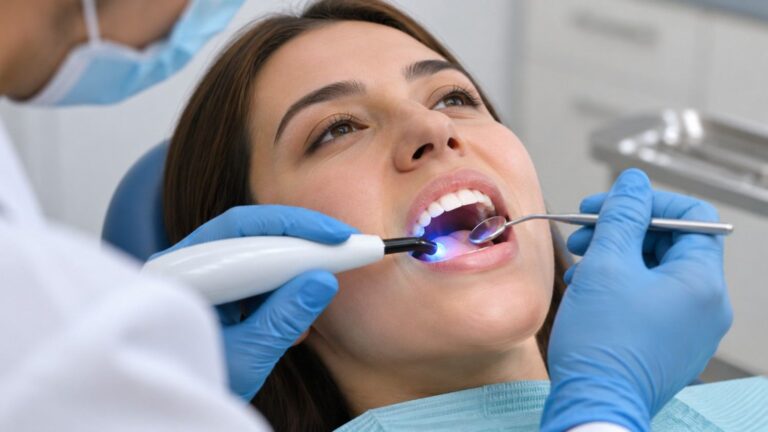
Your dentist might paint fluoride varnish right on the exposed root. This strengthens the root surface and helps ward off cavities—especially if you have a history of root decay.
3. Dental Bonding
Here, your dentist applies a tooth-colored resin over the exposed root. It covers up the area, helps protect it, lessens sensitivity, and can even make your gumline look better. It won’t regrow gums but does shield the root. Learn more about tooth bonding.
4. Gum Graft Surgery
If gum loss is serious, a periodontist can perform gum graft surgery by transplanting extra gum tissue (from your palate or another source) over the exposed root. This covers and protects the area, and in many cases, cuts down on sensitivity. The chance of fully covering the root depends on how much tissue is left and bone around the tooth.
5. Deep Cleaning (Scaling and Root Planing)
When gum disease is the culprit, you’ll need a thorough deep cleaning to remove bacteria and hardened plaque deep beneath the gumline. This helps calm the infection and stops more damage, but treating the gum disease comes first before anything else.
6. Treatment for Root Decay
Roots without enamel are wide open to cavities. If decay sets in, your dentist might use fluoride to treat early spots or a filling for deeper ones. Sometimes, bigger repairs are needed.
What You Can Do at Home
You can’t make lost gum tissue grow back yourself, but you can protect your teeth and keep sensitivity down:
- Use a soft-bristled toothbrush.
- Brush gently—don’t scrub, especially near the gums.
- Pick a toothpaste made for sensitive teeth, and stick with it rather than switching brands every week.
- Floss gently every day to keep plaque down. Don’t force it between teeth if it hurts.
- Limit foods and drinks that trigger pain. Figure out your personal triggers and avoid them for a while.
- Rinse with warm salt water if gums feel irritated.
Important: Don’t try weird DIY fixes like gluing the root, putting aspirin on it, or rubbing on essential oils straight out of the bottle. You could burn or damage your gums and teeth.
Can Exposed Roots Heal or Grow Back?
Not really. Once your gums pull away, they usually won’t come back on their own. Special toothpastes reduce sensitivity and good brushing slows more recession, but you need a dentist for any real healing or regrowth.
What you can do is stop the gum loss from getting worse, cut down on discomfort, and—if surgery’s right for you—regain some gum coverage.
How to Stop Roots From Getting Exposed
You can’t change the gums you were born with, but everyday habits go a long way:
- Brush twice a day with fluoride toothpaste.
- Stick with a soft toothbrush and gentle technique.
- Don’t attack your gumline when you brush.
- Floss every day.
- See your dentist for regular checkups.
- If your gums bleed or swell, treat it early.
- Stay away from smoking and tobacco.
- Ask about a night guard if you grind your teeth.
- Wear a mouthguard if you play sports.
- Cut down on acidic drinks.
Stay consistent with these steps and you’ll keep your gums healthier.
When Should You See a Dentist?
Book a dental visit if you spot a longer-looking tooth, a visible root, new or worsening sensitivity, bleeding gums, or changes in your gumline. If you’ve got severe pain, swelling in your face, pus, fever, or a tooth goes loose after an injury, call your dentist or head for urgent care.
If swelling in your mouth or face is making it hard to breathe or swallow, get emergency medical help right away.
Remember, not every sensitive tooth is a simple case of exposed dentin—you want a real diagnosis from your dentist.
Common Questions About Exposed Tooth Roots
Q. What causes it?
Gum recession from gum disease, brushing too hard, genetics, thin tissue, smoking, or misaligned teeth.
Q. How do I fix it?
Could be as simple as switching toothpastes or as involved as gum surgery—you’ll need a dentist to check.
Q. Can it heal on its own?
Sensitivity may fade, but the gum tissue doesn’t grow back alone. Dentist’s care helps most.
Q. Is it dangerous?
Not right away, usually. But there’s more risk of sensitivity and cavities, especially if gum disease is involved.
Q. Can I get a cavity on the root?
Yes—roots are more likely to develop decay because there’s no protective enamel.
Q. Can a dentist check my root health?
Definitely. They measure gum pockets, check for cavities, and may order X-rays.
Q. Why do my bottom teeth show more near the gumline?
Could be recession, the position of your teeth, or normal for your age—let a dentist decide.
Q. Does gum graft surgery hurt?
They use local anesthesia. You’ll be sore after, but it’s manageable, and your periodontist will guide you.
Q. Can exposed roots lead to losing a tooth?
An exposed root itself won’t make your tooth fall out, but if advanced gum disease attacks the bone, teeth can get loose.
Final Thoughts
Exposed tooth roots aren’t just a cosmetic problem—they’re often your mouth’s way of asking for help. Gum recession, gum disease, rough brushing, genetics, and crooked teeth show up as root exposure.
The right treatment eases sensitivity, shields the root, and stops more damage. Your dentist may suggest special toothpaste, fluoride, restorative work, deep cleanings, or gum grafts, depending on what you need.
Don’t try to hide an exposed root with home fixes. Take care of your gums now, and it pays off later—with stronger, healthier teeth and a better smile down the road.