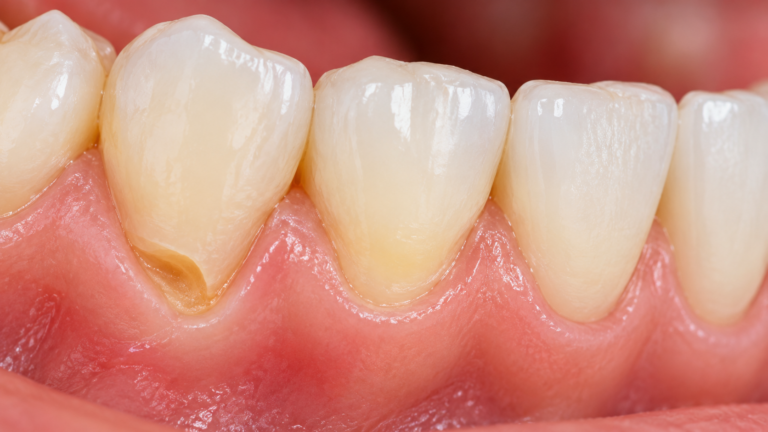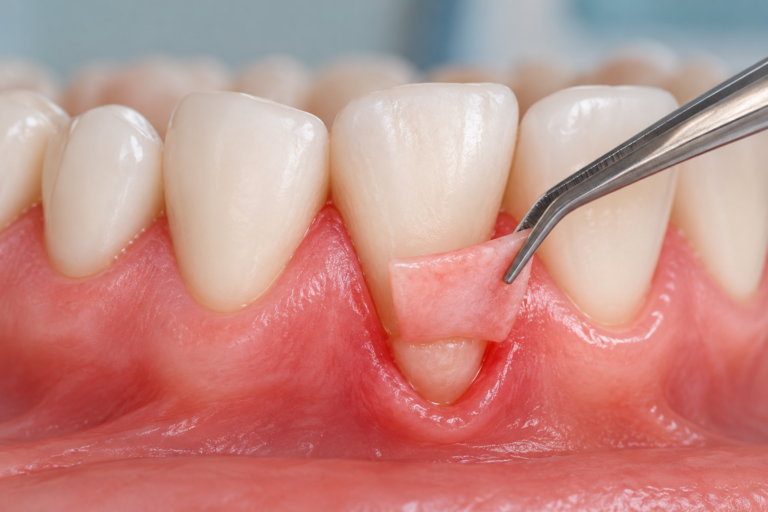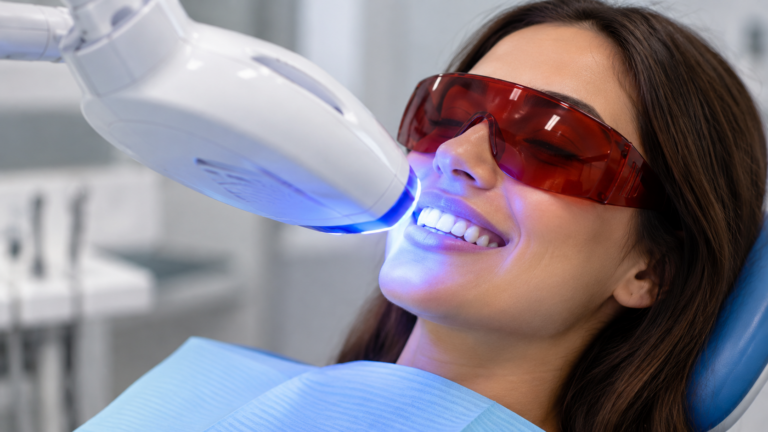
A healthy smile isn’t just about looking good—it keeps you chewing, talking, and looking like yourself. Teeth take a beating over the years thanks to cavities, accidents, gum disease, grinding, or simply getting older. But that’s exactly why dentists focus on restoration.
Maybe you’re wondering what counts as “restoration” in dentistry. Or how a dentist actually repairs teeth. Or maybe you’re worried about what happens if a tooth breaks or disappears. Here’s what you need to know.
Restorative dentistry has come a long way, offering a bunch of ways to fix damaged teeth, replace missing ones, and, honestly, bring your smile back to life. That could mean anything from a quick filling to crowns, implants, or even building your whole mouth back up. These fixes work better, look more natural, and feel more comfortable than ever before.
What Actually Is Tooth Restoration?
It’s just a dentist’s way of saying they repair, rebuild, replace, or strengthen teeth that aren’t what they used to be.
The main goal? Make sure you can chew, regain your smile, avoid further problems, protect what’s left, and fill any gaps from missing teeth.
Whenever your dentist is patching a cavity, rebuilding a chipped tooth, or filling a space where a tooth’s gone missing, you’re getting a restoration.
Dental Restorations: What Are They?
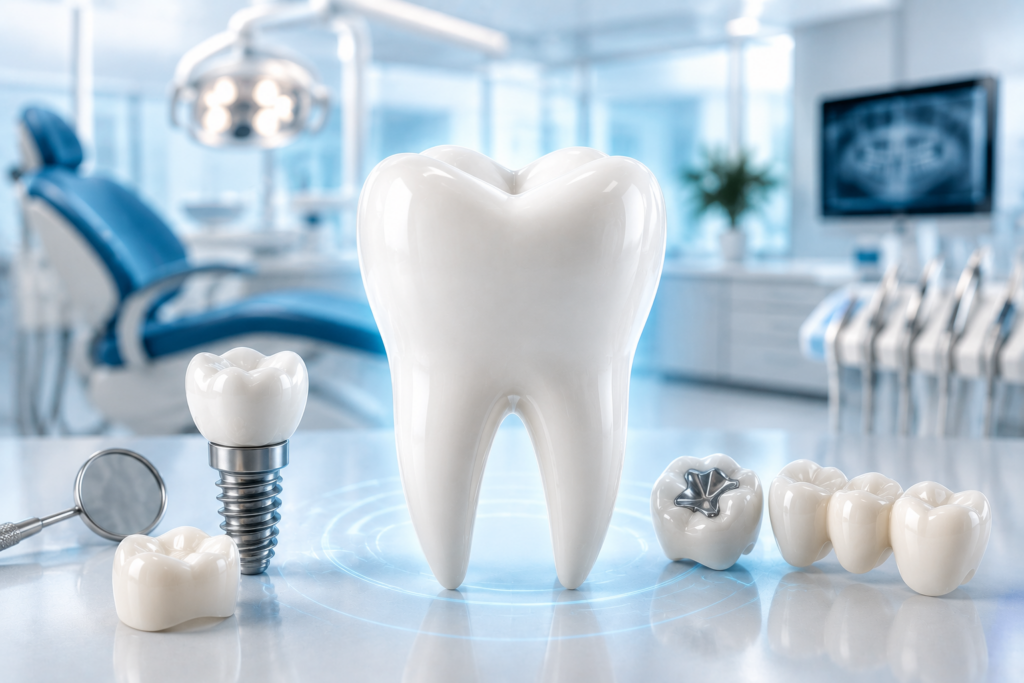
A dental restoration is just the stuff your dentist uses to repair or swap out a tooth. Think:
– Fillings
– Crowns
– Bridges
– Veneers
– Inlays or onlays
– Dental implants
– Dentures
These are designed to make your teeth look and work just like natural ones.
Why Do People Need Teeth Restored?
Teeth get damaged for all sorts of reasons:
– Cavities are probably the number one troublemaker.
– Cracked or broken teeth happen from falls, eating something hard, or rough play.
– Missing teeth throw off your bite and change your appearance.
– Grinding—especially while you sleep—can really wear down enamel.
– Gum disease loosens teeth and, without help, can lead to tooth loss.
– Old dental work and aging both break teeth down over time.
Kinds of Dental Restorations
Knowing what’s out there helps you pick the best option for you.
1. Fillings
The basics. Your dentist removes the decay and fills in the gap. Choices include:
– Tooth-colored composite (blends right in)
– Metal amalgam
– Porcelain/ceramic
– Glass ionomer
Worried about a front tooth? Modern tooth-colored fillings just vanish.
2. Crowns
A crown covers and protects a tooth that’s cracked, badly decayed, or needs extra reinforcement after a root canal or a big filling. It makes weak teeth strong again and helps prevent future breaks.
3. Bridges
If you’ve lost a tooth (or more), a bridge spans the space. It’s anchored to healthy teeth or implanted posts nearby. You get back your chewing power and your smile looks complete.
4. Implants
Implants are the gold standard when you’re missing teeth. A metal post replaces the root, then a crown sits on top. Implants last, they’re sturdy, and they match real teeth almost perfectly. You can get one, several, or even a whole new mouth with them.
5. Dentures
Dentures step in when several—or all—teeth are missing. Partial dentures fill smaller spaces; full dentures give you a complete set again. Bonus: these aren’t your grandparents’ clunky old dentures. They fit better and look much more natural now.
6. Inlays and Onlays
Not quite a filling, not quite a crown. If the damage is more than a filling can handle, but you don’t need a whole crown, these are the middle ground. They fit onto or into your existing tooth, keeping as much healthy structure as possible.
7. Veneers
Veneers are thin shells mainly used to fix cosmetic issues, but they can also patch chips, mild fractures, worn edges, or permanent stains. If you’re considering this treatment, learn more about no-prep veneers and their safety.
Direct vs. Indirect Restorations
Direct restorations—like fillings—are sculpted by your dentist in your mouth, right on the spot.
Indirect ones—like crowns, bridges, or veneers—are made outside your mouth and then attached later.
What’s the Restoration Process Like?
It all depends on your situation. Usually, your dentist looks things over, maybe takes an X-ray, and figures out the problem.
Then you’ll talk through your options. Your dentist will help you weigh your choices, taking your health, your budget, and what you want into account.
Next, the restoration happens: they fix or replace the damaged parts using whatever technique fits best.
Follow-up is important, too. Dentists double-check that everything feels right, your bite fits, and you’re comfortable.
Cool Dental Tech Today
Dentistry has gotten a serious upgrade:
– Digital mock-ups to “preview” your future smile
– 3D imaging for precise treatment planning
– Same-day crowns with computer-aided designs
– Digital impressions—no more goopy molds
– Gentle lasers for certain treatments
– Computer-guided implant surgery
– Better, stronger ceramic and bioactive materials
It all means treatments are faster, more precise, and less of a hassle.
Can Enamel Grow Back?
Short answer: no. Once enamel is gone for good, it doesn’t regrow. But there are ways to shore up weak spots—fluoride, special bonding agents, crowns, veneers, even remineralization treatment. The key is to get help before things get worse.
Severely Damaged Teeth—Is There Hope?
Even if things look bad, dentists have tricks for almost everything: multiple fillings, crowns, bridges, implants, root canals, and gum treatment. Sometimes they call this full-mouth restoration or reconstruction.
Grinding Teeth—What Can Be Done?
Grinding grinds down teeth, obviously. But you’re not stuck with short, stubby teeth forever. Dentists can rebuild with bonding, veneers, crowns, and sometimes fine-tune your bite or fit a night guard to prevent more grinding.
Can Teeth That Are Really Bad Be Saved?
Most times, yes. Even teeth that seem hopeless can get saved with crowns, fillings, root canals, implants, or a full overhaul. The sooner you act, the easier (and cheaper) it is.
What Are Restorations Made Of?
– Composite resin: Blends in nicely, especially for front teeth.
– Ceramic: Long-lasting and ultra-natural looking.
– Porcelain: Great for crowns and veneers.
– Gold: Very durable, but not as common anymore.
– Zirconia: Extremely tough and good for crowns.
Your dentist can walk you through what’s best for you.
How Long Does Dental Work Last?
Here’s what to expect:
– Fillings: 5–10 years
– Crowns/bridges: 10–15 years
– Veneers: 10–20 years
– Implants: 20+ years
Good habits can make your dental work last even longer.
Taking Care of Restored Teeth
Nothing special—just:
– Brush twice a day
– Floss every day
– Cut down on sugar
– Wear a night guard if you’re a grinder
– Don’t skip dental checkups
Seriously, don’t chew ice, use your teeth as tools, or forget appointments. Smoking? It’s bad news for teeth, too.
Choosing Your Dentist
Not all dentists are tooth restoration experts. Look for someone with real experience, up-to-date training, lots of options, good reviews, and clear communication. It makes a difference.
FAQs
Q. What’s “restoration” in dentistry?
It’s fixing or replacing teeth so you can eat, talk, and smile comfortably.
Q. Can teeth heal themselves?
Not really. Minor enamel repairs can happen, but cavities, cracks, and missing teeth need a dentist.
Q. How do you restore all your teeth with implants?
Implant-supported bridges or full-arch implants are strong, stable solutions.
Q. How much does it cost?
That depends—fillings are cheapest, implants or full-mouth makeovers are a lot more.
Q. Can a dead tooth be saved?
Yes—usually with a root canal and then a crown.
Final Thoughts
Tooth restoration isn’t just about vanity—it lets you eat, talk, and feel good about yourself again. Whether you need one small filling or a total mouth reboot, today’s procedures are more advanced, natural, and durable than ever.
Act early. The sooner you deal with dental trouble, the easier—and cheaper—it is to fix. Got missing or damaged teeth? Book an appointment and see what a skilled restorative dentist can do. You might be surprised by how much better life feels with a healthy, confident smile.