Missing teeth don’t just change how you look—they mess with the way you eat, talk, and even how you see yourself. The good news is, with today’s dental prosthetics, there’ve never been more ways to get back to looking like yourself and living life without limits.
It doesn’t matter if you’ve lost one tooth or several, or even the whole set—modern prosthesis options are much more comfortable and realistic than older versions. There are removable dentures, incredibly advanced dental implants, and lots in between. People now have choices that would have sounded like science fiction to their grandparents.
What Is a Dental Prosthesis?
A dental prosthesis is an artificial replacement for a missing tooth, lost gum tissue, or part of the jaw. There are options out there that bring back your bite and your confidence, letting you chew, speak, and grin like yourself again.
The specialist behind these solutions is called a prosthodontist, and the field is prosthodontics. Dentists use all sorts of prosthodontic appliances to rebuild what’s been lost.
Some common types:
– Dentures (full or partial)
– Bridges
– Crowns
– Implant-supported restorations
– Gingival prostheses (for lost gum tissue)
– Maxillofacial prostheses (for larger facial defects)
If your dentist replaces a missing tooth with any artificial option, you’re getting dental prosthetic treatment.
Why Bother Replacing Missing Teeth?
People think missing teeth are just a cosmetic issue. In reality, losing a tooth throws the whole system out of balance.
Here’s what can happen:
– Neighboring teeth drift out of place.
– The jawbone where the tooth was starts to shrink.
– Chewing gets much trickier.
– You might speak differently.
– Your face might sag over time.
– It gets easier to lose more teeth.
Modern dental prosthetics help sidestep nearly all those problems.
Types of Dental Prosthesis
There’s a lot to choose from, and here’s what you need to know:
1. Complete Dentures
Complete dentures replace all the teeth in your upper or lower jaw. You might hear people call them “false teeth” or “full dentures.”
Why choose them?
– They’re pretty affordable
– No surgery required
– They can completely change your appearance quickly
But:
– They might shift or move, especially when eating tough foods
– You’ll need to see the dentist for adjustments now and then
– They can speed up bone loss in your jaw over time
At least, now they look much more realistic than dentures from even a decade ago.
2. Partial Dentures
Partial dentures fill in gaps where you’re missing only a few teeth. Options range from metal frames and flexible plastics to acrylic bases.
Benefits:
– Less expensive than implants
– Pretty easy to clean and maintain
– You won’t wait long for the lab to make them
They’re a solid choice when you want to hold onto your healthy teeth and fill just a few empty spots.
3. Dental Bridges
As the name suggests, a dental bridge “bridges” the space left by one or more missing teeth. A bridge anchors to the teeth next to the gap (with crowns) and has one or more false teeth in between.
Good for:
– Filling in a single missing tooth
– Replacing a few teeth side by side
Unlike dentures, bridges stay put—you don’t take them in and out.
4. Dental Implant Prostheses
Dental implants are as close as you can get to new permanent teeth.
A dental implant is:
– A titanium post that anchors into your jawbone
– A connector (abutment)
– The artificial tooth (crown) on top
Why consider implants?
– Unmatched stability—you can really bite down and chew normally
– They look and feel like real teeth
– They keep your jawbone from shrinking
– They last a long time—sometimes decades
Dentists call implants the “gold standard” for replacing teeth.
5. Implant-Borne Prosthetics
Implant-borne prosthetics use a few implants as the foundation for bridges or dentures, rather than replacing every missing tooth with a separate post.
That opens up solutions like:
– Implant-supported dentures (no shifting!)
– Full-arch bridges
– Hybrid prostheses
These are solid choices if you want something permanent, especially if you’re missing a bunch of teeth in a row.
6. Fixed Prosthetics
Fixed prosthetics are cemented or screwed into place and don’t come out. Crowns, bridges, and some implant solutions count here.
Patients usually like them best because they feel closest to having real teeth again.
7. Removable Prosthetic Appliances
Removable prosthetics—like standard dentures or partials—can be taken out for cleaning. They tend to be more affordable and a bit less intimidating to start with.
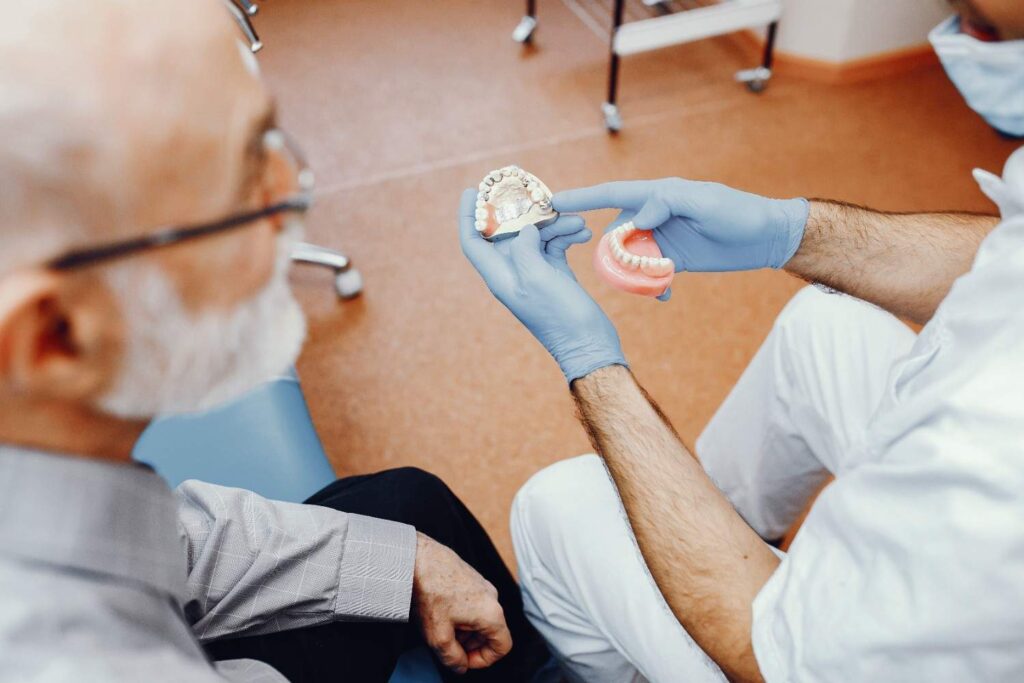
Dental Implants vs. Traditional Prosthetics
Patients ask this all the time: Should I get dentures or implants? Here’s a quick side-by-side look:
Dentures: Lower cost, decent stability, 5–10 year lifespan, daily removal required.
Dental Implants: Excellent stability, superior comfort, 15–30+ year lifespan, and can be cleaned like natural teeth.
Implants usually win in the long run because they link directly to the jawbone, just like your real teeth roots did.
Materials in Dental Prostheses
Dentists choose prosthetic materials based on durability, looks, budget, and your specific case.
Here’s what dentists use to rebuild your smile:
1-Porcelain
– Pretty much looks just like real teeth and shrugs off stains.
– A favorite for crowns and bridges.
2-Acrylic Resin
– You’ll find this in most dentures and temporary teeth.
– It’s lightweight, easier on your budget, and simple to adjust if you need changes.
3-Zirconia
– Nearly unbreakable, beautiful, and biocompatible.
– For stronger, longer-lasting crowns and bridges.
4-Titanium
– The backbone of dental implants and implant-based prosthetics.
– It fuses to bone, lasts a really long time.
Front Tooth Replacement
Losing a front tooth? That’s tough. And you want something that blends right in.
Popular front tooth solutions:
– Single dental implant (most natural look)
– Resin-bonded bridge (less invasive)
– Traditional fixed bridge
– Removable partial denture (for short-term or lower-cost fixes)
Implant crowns are usually the “invisible fix” answer.
Temporary Tooth Replacement
Sometimes you need a “stand-in” tooth while you wait for a final upgrade.
Your dentist might suggest:
– Flipper denture (basically a single tooth on a clear tray)
– Essix retainer with an artificial tooth
– Temporary bridge
These help you smile and eat while your permanent option is being made.
Special Prosthetic Appliances
Not everyone needs standard dentures or crowns. Sometimes prosthetics step outside the basics:
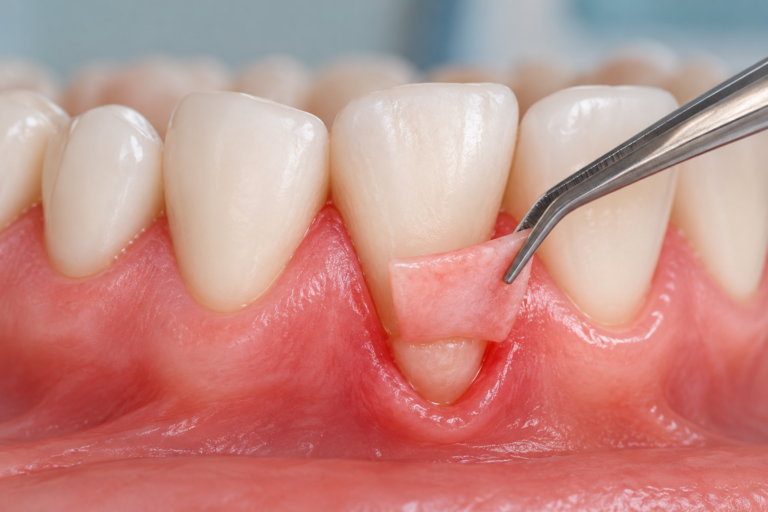
Gingival Prosthesis—For patients who’ve lost gum tissue.
Mandibular Prosthesis—To rebuild the lower jaw after trauma, surgery, or disease.
Prosthetic Jaws—For people needing rehabilitation after major facial injuries or cancer.
Periodontal-Prosthodontic Appliances—Combining gum treatments with new teeth for a comprehensive fix.
What’s New in Prosthetic Dentistry?
Dentistry just keeps leveling up. Some standout advances:
– 3D digital scanning—no more goopy impressions, faster and more comfortable
– CAD/CAM manufacturing—crowns and bridges designed on a computer, fit millimeter-perfect
– Guided implant surgery—more accurate, less invasive placement
– Digital smile design—you see your new teeth before work even starts
– Advanced zirconia—stronger, more lifelike, lasts longer
How Long Will My Dental Prosthesis Last?
Here’s what you can expect (with good care):
– Dentures: 5–10 years
– Bridges: 10–15 years
– Crowns: 10–20 years
– Implant crowns: 15–30+ years
– Full implant bridges: 20+ years
Take care of them and you’ll get more mileage.
Caring for Dental Prosthetics
Might sound obvious, but maintenance is a must.
– Brush twice daily
– Floss (yes, even around fake teeth)
– Use dentist-approved cleaners
– See your dentist regularly
– Don’t use your teeth for opening bottles (they’re not tools!)
– Night guards help if you grind your teeth in your sleep
If you’ve got removable prosthetics, give them a daily clean and soak as your dentist directs.
Popular Myths—Busted
Myth 1: Fake Teeth Always Look Fake—Nah. Dentists can make them look almost exactly like the real thing.
Myth 2: Only Old People Get Dentures—Tooth loss can happen at any age.
Myth 3: Implants Need No Care—Wrong. Great hygiene is still mandatory.
Myth 4: Tooth Loss “Just Happens”—It’s common, but you don’t have to accept it.
Choosing the Right Prosthetic
Which option should you pick? Consider:
– How many teeth you’re missing
– What shape your jawbone is in
– Your budget
– Your oral health right now
– How you want your smile to look
– Your daily habits
Ask your dentist things like:
– What’s your top recommendation for me?
– How long does it last?
– What will I need to do to maintain it?
– Are implants possible for me?
– What’s the true cost?
A sit-down with your dentist is the best way to land on the right choice.
Wrapping Up
Dental prosthetics can honestly change your life, whether you need a single new tooth, a set of removable dentures, or cutting-edge implants. The main thing is making sure your choice fits your needs and feels right for you.
The great news? Today’s prosthetics look amazing, work well, and last longer than ever. If you’re ready to get your smile and confidence back, talk with a prosthodontist or implant dentist. With a personalized plan, you’ll be eating, speaking, and smiling with confidence in no time.