
Have you noticed your teeth looking longer than they used to? Do you feel a sharp pain when drinking something cold? Or maybe your dentist mentioned receding gums during your last visit.
If so, you’re not alone.
Millions of people experience gum recession at some point in their lives. While it often develops slowly, ignoring it can lead to tooth sensitivity, cavities on the roots, loose teeth, and even tooth loss.
The good news is that gum recession can often be slowed or stopped—especially when caught early.
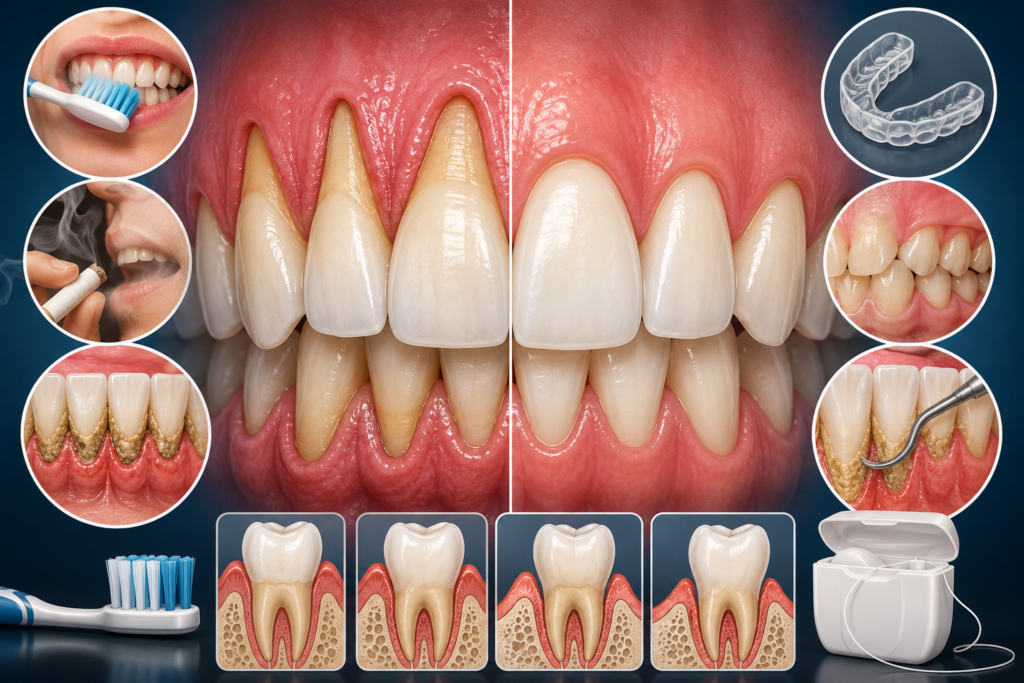
What Are Receding Gums?
Receding gums, also called gingival recession or dental gum recession, happen when the gum tissue surrounding your teeth slowly pulls away or wears down.
As the gums move lower, they expose more of the tooth and sometimes even the tooth root.
Healthy gums fit snugly around every tooth. They act like a protective seal that keeps bacteria away from the sensitive root underneath.
When this seal weakens, several problems can develop:
Tooth sensitivity
Root cavities
Gum inflammation
Loose teeth
Higher risk of gum disease
Changes in your smile
Many people first notice that their teeth suddenly appear longer. In reality, the teeth haven’t grown—the gums have moved.
What Causes Receding Gums?
Let’s look at the most common causes of gum recession.
1. Gum Disease (The Biggest Cause)
The number one reason for gum recession is gum disease.
When plaque isn’t removed, it hardens into tartar. Harmful bacteria then irritate the gums.
Over time, this infection destroys:
Gum tissue
Bone supporting the teeth
Fibers that hold teeth in place
As this happens, the gums begin pulling away from the teeth.
This is why people often ask:
Will gum disease go away?
Can gum disease go away?
Early gum disease (gingivitis) can usually be reversed with proper cleaning and improved oral hygiene.
Advanced gum disease (periodontitis) cannot be reversed, but it can often be controlled with professional treatment.
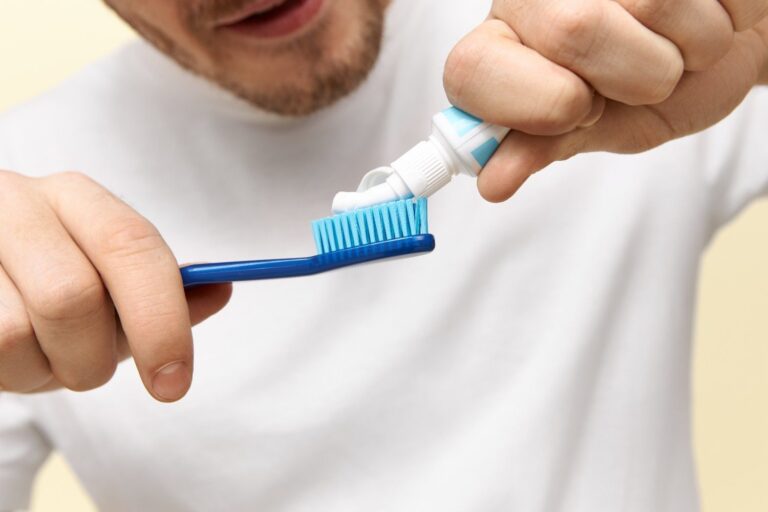
2. Brushing Too Hard
Many people believe brushing harder cleans better.
Actually, the opposite is true.
Using a hard-bristled toothbrush or scrubbing aggressively can slowly wear away gum tissue.
This is one reason dentists recommend:
Soft-bristle toothbrushes
Gentle circular brushing
Electric toothbrushes with pressure sensors
3. Poor Oral Hygiene
Skipping brushing and flossing allows plaque to build up.
Over time:
Plaque → Tartar → Gum inflammation → Gum recession
Daily cleaning is one of the easiest ways to protect your gums.
4. Genetics
Some people naturally have:
Thin gums
Thin jawbone
Weak connective tissue
Even with excellent oral hygiene, they may be more likely to develop gingival atrophy or gum atrophy.
If your parents experienced gum recession, you may have a higher risk too.
5. Teeth Grinding and Clenching
Grinding your teeth while sleeping places excessive force on the gums and bone.
Over time, this pressure may contribute to:
Gum recession
Tooth wear
Small cracks
Tooth sensitivity
A custom night guard can often help protect your teeth.
6. Crooked Teeth
When teeth don’t line up correctly, some areas experience more pressure during chewing.
That uneven force can slowly affect the surrounding gums.
Orthodontic treatment may reduce this risk in some cases.
7. Tobacco Use
Smoking and chewing tobacco reduce blood flow to the gums.
This makes it harder for the gums to heal and fight infection.
Smokers are much more likely to develop:
Gum disease
Gum recession
Tooth loss
8. Hormonal Changes
Hormonal changes during:
Pregnancy
Puberty
Menopause
can make gums more sensitive and easier to damage.
9. Lip or Tongue Piercings
Jewelry constantly rubbing against the gums can slowly wear them away.
Many dentists see recession around the front lower teeth because of lip piercings.
10. Incorrect Flossing
People sometimes ask:
Will flossing make my gums recede?
No—not when done correctly.
However, snapping floss aggressively into the gums every day can injure the tissue.
Gentle flossing helps prevent gum disease rather than causing recession.
Can Receding Gums Be Fixed?
This is one of the most searched questions online.
The short answer is:
Yes—but it depends on the cause and severity.
Here’s what you can realistically expect:
Situation Can It Be Fixed?
Early gum inflammation Yes, often with professional cleaning and better home care
Mild gum recession Usually can be stopped from progressing
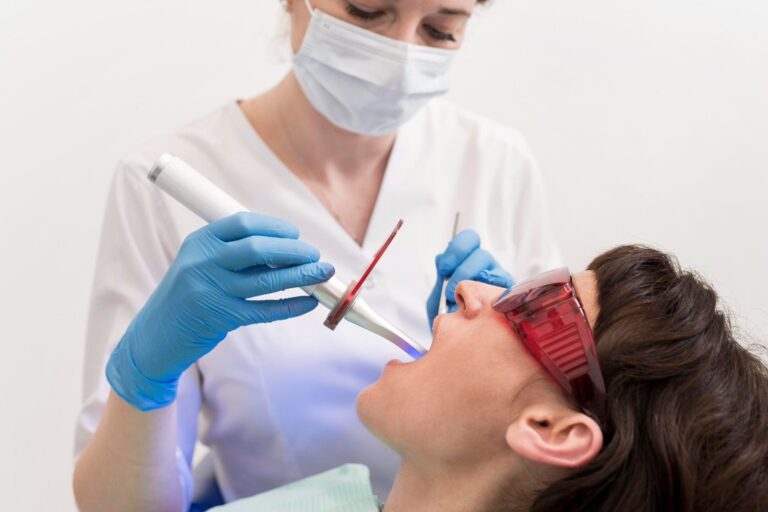
Moderate recession Often improved with periodontal treatment
Severe recession May require gum graft surgery
Lost gum tissue Usually does not grow back naturally
Frequently Asked Questions About Receding Gums
Q. Is Gum Recession Reversible?
This depends on what you mean by “reversible.”
If the problem is **gum inflammation (gingivitis)**, your gums can become healthy again with good oral hygiene and professional cleaning.
However, if the gum tissue has already pulled away from the tooth, it usually **does not grow back naturally**. In these cases, treatment focuses on preventing further recession or restoring the gum line with procedures such as gum grafting.
Q. Can Receding Gums Regrow?
No. Current research shows that **lost gum tissue does not naturally regrow**.
Healthy gums can heal from irritation, but they cannot completely replace tissue that has already been lost.
Q. Can You Fix Receded Gums?
Yes. While the tissue usually won’t regrow on its own, dentists can often:
-Stop further recession
-Reduce tooth sensitivity
-Treat gum disease
-Improve appearance with gum graft surgery when needed
Q. Will My Teeth Fall Out if My Gums Recede?
Not always.
Gum recession by itself doesn’t automatically cause tooth loss.
The biggest concern is **advanced gum disease**, which destroys the bone supporting your teeth. If left untreated, this can eventually lead to loose teeth and tooth loss.
Early treatment greatly improves the chances of keeping your natural teeth.
Q. Can Receding Gums Kill You?
No.
Gum recession itself is **not life-threatening**.
However, untreated periodontal disease has been linked to several health conditions, including heart disease, diabetes complications, and pregnancy problems. Researchers are still studying these connections, but keeping your gums healthy is an important part of overall health.
Q. Is Gum Disease Common?
Yes.
Gum disease is one of the most common health problems in adults worldwide.
Many people don’t realize they have it because it often develops without pain.
Q. Why Are My Gums Receding So Quickly?
If your gums seem to be shrinking rapidly, possible causes include:
-Untreated gum disease
-Smoking
-Teeth grinding
-Aggressive brushing
-Hormonal changes
-Poorly controlled diabetes
-Certain medications
-Thin gum tissue
Rapid recession should always be evaluated by a dentist.
Q. Do Gums Recede With Age?
Yes.
As we age, gum recession becomes more common.
However, aging alone is **not** the direct cause.
People who maintain excellent oral hygiene often keep healthy gums throughout life.
Receding Gum on One Tooth
If only one tooth is affected, don’t ignore it.
Localized recession often has a specific cause, such as:
- Hard brushing
- Trauma
- Bite problems
- Thin gum tissue
Treating the underlying cause early may prevent recession from spreading.
Pregnancy and Gum Health
Hormonal changes during pregnancy can make gums more sensitive.
Some women notice:
- Bleeding gums
- Swollen gums
- Increased plaque buildup
Regular dental care during pregnancy can help reduce these problems.
Diabetes and Gum Recession
People with poorly controlled diabetes have a higher risk of:
- Gum disease
- Slow healing
- Bone loss
Managing blood sugar levels supports healthier gums and better treatment outcomes.
Daily Habits That Protect Your Gums
Small habits make a big difference over time.
Try to:
- Brush twice daily using gentle pressure.
- Choose a soft-bristle toothbrush.
- Brush for at least two minutes.
- Floss once every day.
- Drink plenty of water.
- Eat a balanced diet rich in fruits and vegetables.
- Limit sugary snacks and acidic drinks.
- Avoid smoking and other tobacco products.
- Visit your dentist every six months.
- Wear a night guard if you grind your teeth.
When Should You See a Dentist?
Book an appointment if you notice:
- Teeth looking longer
- Bleeding gums
- Persistent bad breath
- Tooth sensitivity
- Loose teeth
- Gums pulling away from teeth
- Painful gums
- Swelling
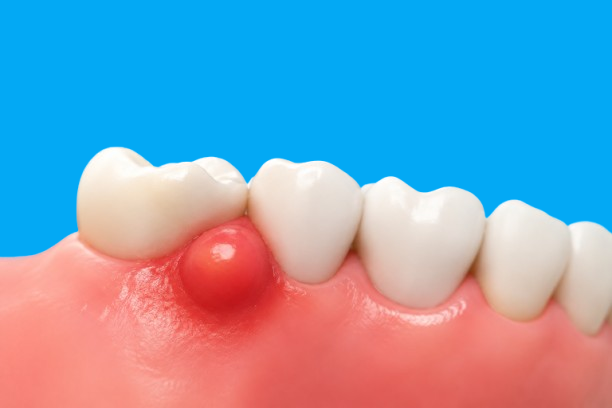
- Pus around a tooth
Early treatment is almost always simpler, less expensive, and more successful than waiting until the problem becomes severe.
A Simple 30-Second Gum Health Check at Home
Every month, take a quick look at your gums in a mirror.
Ask yourself:
Do my teeth look longer than before?
Are my gums pink rather than red?
Do they bleed when I brush or floss?
Is one tooth more exposed than the others?
Do I feel new sensitivity to hot or cold foods?
If you answer “yes” to any of these questions, schedule a dental check-up.
Final Thoughts
Receding gums may seem like a small problem at first, but they shouldn’t be ignored. Healthy gums protect your teeth, support your jawbone, and help you keep your natural smile for years to come.
The most important thing to remember is that **early action makes a big difference**. While lost gum tissue usually doesn’t grow back naturally, modern dental treatments can stop further damage, reduce discomfort, and, in many cases, restore the gum line with predictable results.
Simple daily habits—gentle brushing, flossing, regular dental visits, and avoiding tobacco—can go a long way toward preventing gum recession. If you’ve already noticed symptoms such as tooth sensitivity, exposed roots, or gums pulling away from your teeth, don’t wait. A dentist or periodontist can identify the cause and recommend the most effective treatment before the condition becomes more serious.
Your gums are the foundation of a healthy smile. Take care of them today, and they’ll help protect your teeth for years to come.



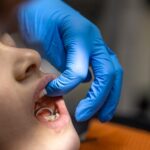
[…] receding gums aren’t a huge deal. But if it keeps going, more of the root gets […]
[…] Receding gums expose tooth roots. Roots aren’t as hard as enamel and can wear down pretty quickly once they’re out in the open. Gum recession and abfraction can show up together — but you need to treat them both if you want to stop the cycle. […]