
People usually focus on their teeth—whitening, straightening, dodging cavities—while their gums get almost no attention. But gums play a huge role. They protect your tooth roots, keep everything in place, and form a barrier that stops nasty bacteria from sneaking into deeper tissues.
When gums aren’t healthy, they’re quick to let you know. Maybe they bleed, swell, get sore, or start pulling back from your teeth. Left alone, gum disease can even chew away at the bone underneath and eventually cause you to lose teeth.
The upside? If you catch problems early, you can almost always turn things around. Even more advanced gum troubles can be treated and kept in check—with help from your dentist and good daily habits. Here’s what you need to know about getting your gums healthy, making them stronger, which routines matter most, and when it’s time to call your dentist.
What Do Healthy Gums Look Like?
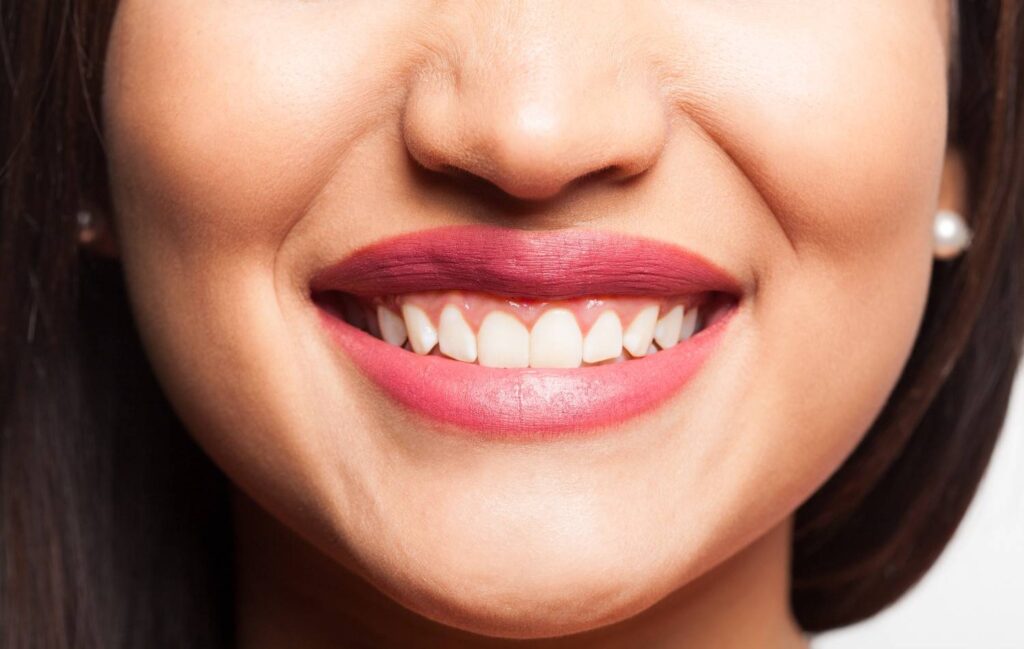
Healthy gums feel firm and hug your teeth pretty snugly. They shouldn’t bleed every time you brush or floss, and they shouldn’t be puffy or sore.
Your natural gum color might be light pink, medium pink, brown, or even dark brown. It’s normal for gums to have a little color variation, depending on your skin tone. What’s important is whether your own gums look or feel different from usual. Pay attention to sudden redness, swelling, bleeding, sores, or any pale or dark patches you haven’t seen before.
A normal gum line follows the curves of your teeth. Some people naturally show off more gum, some less. But if your gums are creeping away from your teeth, leaving them looking longer or creating new gaps, that’s a sign of recession or possible disease.
Why Gum Health Matters
Your gums are one part of a team—the support system that keeps your teeth solid. Together with jawbone and other tiny fibers, gums help hold teeth steady, cover their roots, seal out bacteria, make chewing comfortable, and even make it easier to keep your mouth clean. Healthy gums help you avoid bad breath, too. They’re extra important if you have crowns, bridges, dentures, or implants.
There’s a connection between your gums and your overall health. Diabetes, for example, bumps up your risk of gum problems—especially if your blood sugar isn’t well-controlled. There’s also solid research linking gum disease to heart issues. Gum disease might not cause these other health problems directly, but it’s reason enough not to shrug off your oral health.
How Can You Tell If Your Gums Are Unhealthy?
Gum disease can sneak up on you. It’s not usually painful in the early stages, so a lot of people don’t realize anything’s wrong until things get worse.
Watch for these warning signs:
– Bleeding when you brush or floss
– Puffy, sore, or red gums
– Bad breath that keeps coming back
– A weird taste in your mouth
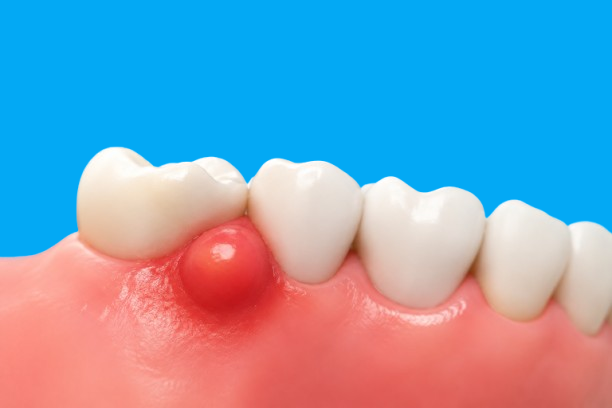
– Pus along the gum line
– Gums pulling away or teeth looking longer than before
– Loose teeth, discomfort while chewing, or new gaps
– Changes in how your teeth fit together, or dentures suddenly feeling off
Bleeding gums are common—but not normal. Most of the time, bleeding means your gums are irritated by plaque. But aggressive brushing, poor flossing, certain medications, or other health conditions could also be behind it.
Gingivitis and Periodontitis: What’s the Difference?
Let’s break down gum disease into its two main stages.
Gingivitis
This is gum disease at its earliest. Plaque starts building up where your teeth and gums meet, causing inflammation. You might notice mild swelling, some redness, bleeding when you brush or floss, tenderness, or worse breath than usual. The good news? At this point, the bone and tissues holding your teeth aren’t usually permanently damaged. Better brushing and a dental cleaning can often set things right.
Periodontitis
If gingivitis goes untreated, problems get worse. Deep pockets form between your teeth and gums. Bacteria settle in, damaging the bone and tissue supporting your teeth. Signs include gums pulling back, deeper pockets, loose teeth, bone loss, pain when chewing, and relentless bad breath. At this point, brushing alone won’t fix it. You need a dental professional—maybe even a periodontist—for treatments that might include deep cleaning, medication, or surgery.
Steps to Healthier Gums
Here’s where you take action. These steps can remove plaque, calm inflammation, and protect your teeth and gums.
1. Brush Twice a Day
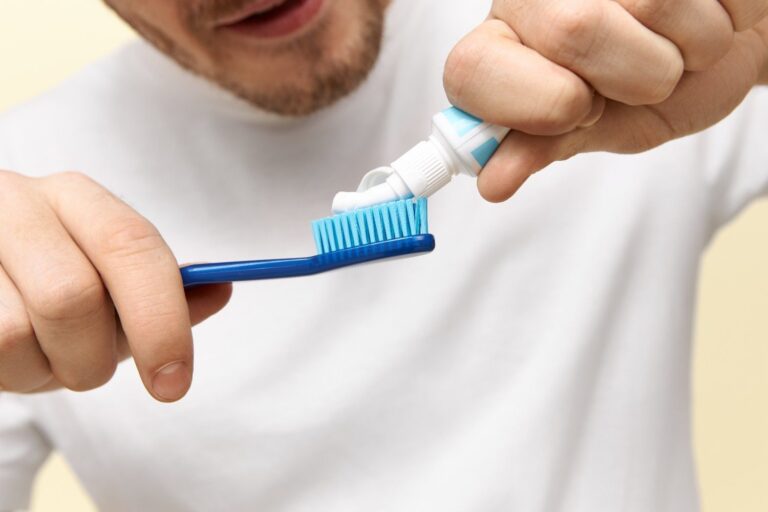
Brush every morning and night for a full two minutes. Use a soft-bristle toothbrush with fluoride toothpaste. Pay attention to the gum line—set the brush at a slight angle where the gums and teeth meet, and use little circles or short, gentle motions. Get every surface, including the backs of teeth (which are easy to ignore), and don’t forget your tongue.
Don’t scrub too hard; that actually does more harm than good by wearing down enamel and irritating gums. An electric toothbrush can help, especially if it has a timer or pressure sensor, but a manual brush works just fine if you use it right. Once the bristles look bent or frayed, swap in a new brush.
2. Clean Between Your Teeth Every Day
That toothbrush can’t reach the tight spaces between your teeth, where plaque loves to hide. Floss works, but so do floss holders, little brushes (interdental brushes), soft rubber picks, or even water flossers. It’s less about what you use, more about whether you actually use it every day.
Slide the floss gently between two teeth, curve it around the side of one tooth, and move it up and down. Always be gentle—snapping floss into your gums can actually hurt them. If your gums bleed when you first start, don’t quit; mild bleeding often clears up once the inflammation goes down. If the bleeding sticks around, gets worse, or you start seeing pus or loose teeth, call your dentist.
3. Leave Tartar Removal to the Pros
Don’t try to dig around under your gums with sharp tools, toothpicks, or your fingernails. That can easily cut your gums and cause more problems than it solves. Brushing and flossing are enough for the edges, but if you already have tartar built up or deep pockets, it’s dentist time.
4. Stick With Fluoride Toothpaste
Fluoride makes tooth enamel stronger and helps stop cavities. That’s good for your gums, because healthy teeth are easier to clean and less likely to get infected. Some toothpastes target plaque or ginger irritation, and those can help—but know that no toothpaste can magically regrow bone or fix severe gum disease. Just find a trusted brand and use it twice daily.
5. Use Mouthwash — With Purpose
Mouthwash can be a great add-on, but it won’t replace brushing and flossing. Depending on what you pick, it could help with plaque, gingivitis, cavities, dry mouth, bad breath, or even sensitivity. For some situations, your dentist might give you a prescription rinse or recommend a specific type. But don’t get fooled by ads promising to “regrow” gums—mouthwash can’t bring back tissue once recession hits.
6. Keep Your Mouth Moist
Saliva helps wash away food, neutralize acids, and protect your gums and teeth. If your mouth feels dry a lot, plaque builds up faster. Drink plenty of water, avoid tobacco and too much alcohol, use an alcohol-free mouthwash, and talk to your doctor if a medication is drying out your mouth. Sugar-free gum can help boost saliva, but don’t let it replace brushing or flossing.
7. Quit Smoking and Skip Tobacco
Smoking is one of the top risk factors for serious gum disease—it weakens your body’s defenses and slows healing. Plus, smokers may not notice the usual warning signs since their gums might not bleed as much. Quitting tobacco can seriously improve your odds of healing and lower your risk of tooth loss, but it doesn’t replace dental treatment.
8. Eat for Stronger Teeth and Gums
No food can scrape away plaque, but a balanced diet gives your gums what they need to heal and stay healthy. Fill your meals with vegetables, fruits, beans, whole grains, fish or lean meats, eggs, nuts, and dairy or alternatives—especially foods rich in vitamin C, calcium, and protein. Try to cut back on sugar and go for water instead of soda or sweet drinks. Crunchy produce is great, but it doesn’t take the place of your toothbrush.
9. Manage Other Health Problems
Certain health issues or medications can make gum disease more likely—think diabetes, dry mouth, hormone changes, immune disorders, or even physical disabilities that make brushing tough. If you’ve got diabetes, controlling your blood sugar helps healing. Always let your dentist know about your medical conditions and the meds you take. Never stop a prescribed medication without talking to your doctor first; if your gum issues come from side effects, your healthcare team can help you find solutions.
10. See Your Dentist Regularly
No way around it: professional cleanings and checkups are key. Your dentist or dental hygienist can remove tartar, check for signs of inflammation, measure gum pockets, watch for bone loss or recession, and help you hone your cleaning skills. How often you need appointments depends on your mouth—someone with gum disease might need more visits than someone with healthy gums.
How Long Does It Take to Get Healthy Gums?
It’s different for everyone. Mild gingivitis can start improving just days after you step up your routine. Redness, bleeding, and swelling may keep getting better for two to four weeks after that. More severe gum disease (periodontitis) takes longer and usually demands professional treatment, plus regular maintenance.
For most people:
– In the first week, breath feels fresher and tenderness fades.
– By week two to four, swelling and mild bleeding settle down (if you’re brushing and flossing properly).
– After seeing the dentist for deeper treatment, healing continues for weeks or even months.
The fastest, safest path to healthy gums? Skip the miracle remedies—get a real diagnosis, a good cleaning, and stay consistent with your daily care.
Can Receding Gums Grow Back?
If your gums are just inflamed, treatment often helps them look less puffy and raw. But if they’ve actually receded, brushing or rinsing won’t make them grow back. To learn more about the causes, symptoms, and treatment options for receding gums, read our complete guide. Don’t fall for DIY “regrowth” tricks—oils, supplements, or mouthwash won’t reverse gum recession. Your dentist may suggest adjusting your brushing technique, treating gum disease, addressing teeth grinding, repairing damaged teeth, or surgery (such as gum grafts), but you should never try to reshape or treat your gums on your own.
How to Help Gum Tissue Heal
Give your gums their best shot at healing by:
– Keeping your mouth clean (gentle brushing is key)
– Following your dentist’s advice
– Staying away from tobacco
– Not picking at your gums
– Skipping sharp or super-hot foods right after treatment
– Taking any prescribed meds as directed
– Going to follow-up visits
– Eating well and drinking enough water
And nope, don’t put aspirin on your gums or use bleach, pure peroxide, harsh oils, or abrasive home mixtures. Salt water rinses can feel soothing after dental work, but they’re not going to remove tartar or fix advanced gum disease.
When to Call the Dentist
Set up a dental appointment if you notice:
– Bleeding gums that keep coming back
– Swollen, painful gums
– Receding gums or teeth that seem longer
– Ongoing bad breath
– Pus around any tooth
– Loose adult teeth
– Trouble chewing or new gaps
– Changes in how your teeth fit together or dentures that feel strange
– Any sore or bump lasting more than two weeks
But if your face swells, you get a fever, the pain is severe, or you have trouble swallowing or breathing—or the bleeding just won’t stop—get urgent care right away.
Final Thoughts
Healthy gums aren’t made by some magic mouthwash, secret powder, or perfect superfood—they’re made by plain, steady habits you stick with every day.
Brush twice with fluoride toothpaste. Clean between your teeth daily. Don’t smoke. Drink plenty of water. Eat a balanced diet. When you spot bleeding, swelling, receding gums, or loose teeth, make time for a dental checkup.
You can almost always turn early gum problems around, but more serious gum disease will need a dentist’s help. The sooner you deal with it, the better your shot at keeping your natural teeth.
Why not start now? Floss tonight, brush for two minutes, and check the edges of your gums. Skip the harsh scrubbing—what your gums really want is gentle, steady care.





[…] your teeth and gums are healthy, professional whitening is considered safe. The most common issue is temporary tooth sensitivity, […]