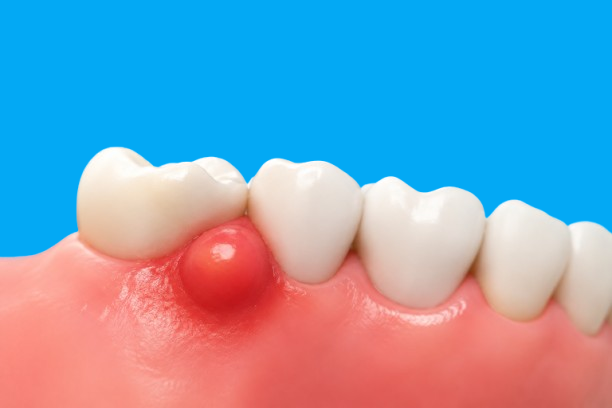
If your dentist has brought up laser gum surgery because you have gum disease, receding gums, or a smile with extra gum showing, it’s totally normal to feel a little uneasy—“laser” sounds high-tech and maybe even intimidating. But truth is, dentists and gum specialists have been using lasers safely for years to treat gum issues and reshape the gumline.
Lasers let dentists remove unhealthy tissue, shape your gums more precisely, cut down on bleeding, and tackle certain types of gum disease. Some people also get laser gum lifts to help their teeth look longer and make their smile less “gummy.”
Still, laser gum surgery isn’t just one thing. Treating gum disease is different from cosmetic gum contouring, and both have nothing to do with fixing gum recession. That’s why it’s worth understanding exactly what this treatment covers, what it helps with, what recovery is really like, and whether it’s the right route for you.
What is laser gum surgery?
Laser gum surgery is pretty much what it sounds like—a dentist uses a special laser (which is just focused light energy) to treat or reshape your gums.
They might:
– Remove swollen or infected gums
– Trim overgrown gum tissue
– Treat deep pockets around teeth
– Minimize bleeding during treatment
– Do a laser gingivectomy
– Support gum disease treatment
– Fix a smile where too much gum shows
Dentists throw around lots of terms: gum lasering, laser periodontal surgery, laser gum lift—you get the idea. It’s all about asking your dentist, “What are you actually planning to do to my gums?”
How does gum lasering actually work?
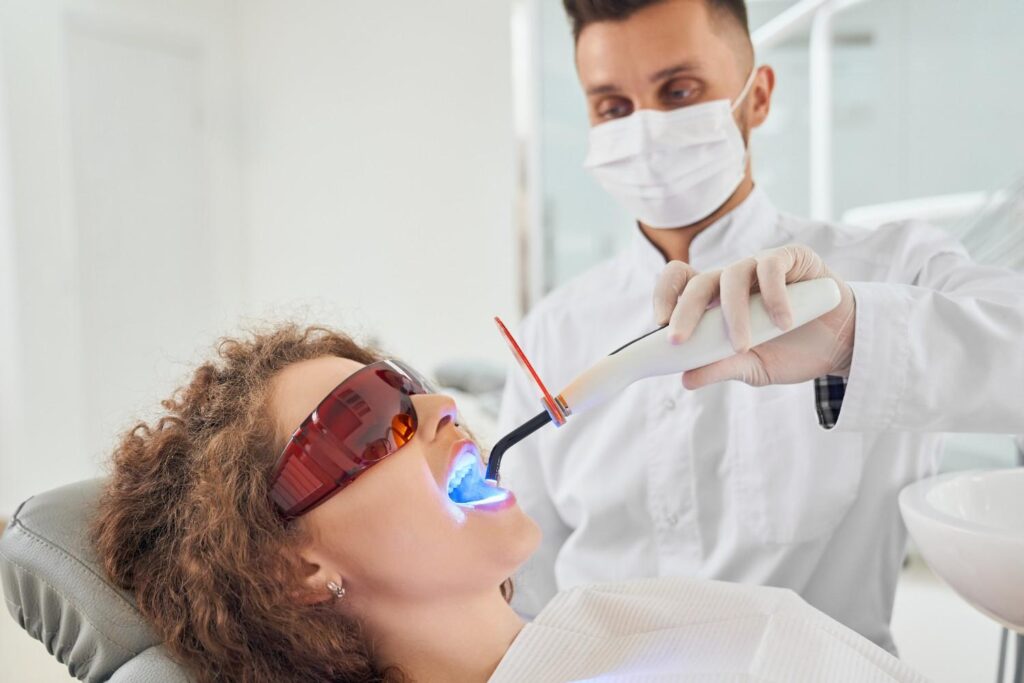
Picture a tiny wand, but instead of magic, it’s got a focused beam of light. Your dentist aims it right where it’s needed. The laser can cut, shape, or remove gum tissue. Some lasers are for soft tissue, like gums, while others can be used on hard stuff, like teeth or bone.
One big plus: Lasers can help seal blood vessels as they work, so there’s usually less bleeding than with a scalpel. That said, it’s not pain-free. You’ll still need time to heal, just not as much as with more invasive gum surgery.
What can laser gum surgery treat?
Laser treatment is versatile and can be used for your health or for looks.
1) Gum Disease
If you have gum disease—like periodontitis—lasers can help remove infected tissue, reach tricky spots, and support other treatments.
People with gum disease often need:
– Deep cleaning (scaling and root planing)
– Regular checkups
– Sometimes surgery
– And sometimes, a laser as part of the mix
Lasers aren’t always the best answer for everyone, but they’re often part of a broader plan.
2) Excess Gum Tissue
Some folks just have more gum coverage (could be genetics, medication, inflammation, or something else). A dentist can remove the excess with a laser, which can really improve the way your teeth look.
3) Gummy Smile
If your smile shows more gum than you’d like, a laser can reshape the gumline. Your teeth aren’t actually getting bigger—it just looks that way.
Laser isn’t a cure-all for every case, though. The underlying reason for your gummy smile matters.
Can laser cure gum disease?
Lasers can help manage gum disease but calling them a “cure” overstates it. Gum disease is a chronic problem, and even after treatment, if you slack on brushing, flossing, and regular dental visits, it can return.
So, laser is a tool—not magic. Consistent care is what keeps your gums healthy in the long run.
Does laser treatment for gum disease work?
Yes, it can, especially when combined with traditional deep cleaning. Scaling and root planning physically remove the nasty stuff from under your gums. The laser might come in afterward to zap away the rest and help healing. It’s not always one-versus-the-other—you might need both.
If someone tells you, “Laser replaces the need for deep cleaning,” that’s a red flag—ask how they’ll actually clean below the gumline.
What happens during laser gum surgery?
Here’s what a typical treatment looks like:
1. Exam – Your dentist checks your gums, teeth, pocket depths, bleeding, recession, and may take X-rays to get the full picture.
2. Local Anesthetic – They’ll numb the area so you’re comfortable.
3. Laser Treatment – The dentist uses the laser to cut away or reshape gum tissue as needed.
4. Root Cleaning (if needed) – For gum disease, the dentist might still use hand tools or ultrasonic devices to clean your tooth roots.
5. Aftercare – You’ll get care instructions: what to eat, how to clean, and what activities to avoid.
Sometimes, stitches aren’t needed with laser surgery.
What’s a laser gingivectomy?
This is when the dentist removes extra gum tissue—either for looks or health reasons. Lots of people think the laser will make their teeth longer, but really it’s just exposing more of the tooth that was already there.
Laser gum surgery for receding gums
This is a common area of confusion. A laser can remove diseased gum tissue, but it can’t put back gum that’s already gone. If you’ve lost gum tissue (recession), you may need a gum graft or another procedure to actually restore what’s missing. Lasers help when there’s inflammation to clear up, but alone, they can’t rebuild your gumline.
It’s worth asking, “What will this laser actually do for my receding gums?”
Benefits of laser gum surgery
Some good things about laser treatment:
– Usually less bleeding
– Precise targeting of gum tissue
– Sometimes less discomfort afterward
– Fewer, or even no, stitches
– Improved appearance (for cosmetic procedures)
– Can support treatment for some gum problems
But, laser isn’t automatically better for everyone. The “best” option depends on your gums, your health, and what needs fixing.
Risks and side effects
Nothing’s risk-free. Possible issues:
– Soreness or swelling
– Sensitive teeth
– Bleeding (usually less, but not always)
– Infection
– Delayed healing
– Gum shrinking or uneven appearance if not done carefully
Experience matters—a well-trained dentist or periodontist is key.
Recovery and healing
Healing time depends on how much work you’ve had done. Cosmetic reshaping heals pretty fast. Treating advanced gum disease takes longer.
Afterward, you’ll probably need to:
– Eat soft foods for a bit
– Avoid hot, spicy, or crunchy stuff
– Gentle brushing (your dentist will tell you how)
– Use a recommended rinse
– Take medicine as prescribed
– No picking at the gums
Don’t rush back to normal brushing until your dentist gives the okay.
How long until my gums heal?
Minor fixes can feel better in a few days. Bigger procedures? It could be a few weeks before everything’s back to normal. Healing always depends on your overall health and how well you follow the aftercare routine.
What should I eat after gum laser treatment?
Keep it soft in the early days: yogurt, eggs, soft pasta, oatmeal, mashed veggies, applesauce—skip anything crunchy or spicy for now.
Laser gum surgery cost
There’s no one-size-fits-all price. A small cosmetic touch-up for one tooth is a lot less than full-mouth periodontal work.
What affects the cost:
– How many teeth need work
– How severe your gum disease is
– What procedures are needed (laser, deep cleaning, bone treatment, etc.)
– Dentist’s experience
– Where you live
– Insurance coverage
Always ask for a treatment plan that spells out what you’re paying for.
Laser gingivectomy/gummy smile treatment cost
Prices vary. Basic gum contouring costs less than crown lengthening (which also reshapes bone). And not every gummy smile is due to excess gum tissue—sometimes, it’s jaw structure or tooth position. Make sure you know what’s causing your gummy smile before paying for cosmetic treatment.
Insurance coverage
If you’re getting laser gum surgery to treat diagnosed gum disease, some insurance plans cover part of it. Cosmetic treatments just to improve your smile? Usually not covered.
Check:
– Why you’re getting treated (medical necessity or cosmetic)
– What your specific dental plan covers
– Out-of-pocket estimates before starting
Laser treatment vs. traditional gum surgery
Each has its place. Laser is often less invasive, with less bleeding and discomfort for some people. Traditional surgery gives the dentist better access for serious problems, like deep pockets or bone work. The right option depends on your diagnosis, not just which tools the dentist has.
Is laser gum treatment safe?
Pretty much, yes—as long as the dentist knows what they’re doing and uses the right laser with the right settings. You’ll need protective glasses during the procedure. Just ask your dentist about their training with lasers.
Who should perform laser gum surgery?
General dentists can do straightforward cases, but if you have severe gum disease or complicated issues, seeing a periodontist makes sense. If you’ve got:
– Significant bone loss
– Deep pockets
– Loose teeth
– Persistent gum problems
– Failed previous treatments
—ask for a periodontist.
Laser gum surgery: before and after
Cosmetic procedures can really change your smile—longer-looking teeth, less gum, an even gumline. For gum disease, the improvements are more about health: less bleeding, healthier tissue, easier cleaning.
How do I keep my gums healthy after laser treatment?
Stick to:
– Daily brushing and flossing (or whatever your dentist recommends)
– Regular checkups and cleanings
– No smoking
– Reporting any new bleeding or swelling right away
Keeping up your daily routine is what really keeps gum disease away.
Frequently Asked Questions
Q. Can laser cure gum disease?
It helps manage it, but you still need good home care and follow-up.
Q. Does laser gum treatment work?
It can, especially in combination with other periodontal procedures.
Q. Is gum lasering painful?
Usually, your dentist numbs the area, but you might have mild soreness after.
Q. Can laser treatment fix receding gums?
Not by itself. For actual tissue loss, you may need a graft.
Q. Can laser make my teeth look bigger?
It can expose more tooth by reshaping your gums, so your teeth look longer.
Q. How long does healing take?
Anywhere from a few days for simple cases to weeks for more complex work.
Q. Will insurance cover laser gum treatment?
Medical treatments sometimes, cosmetics almost never. Check your policy.
Q. Is laser better than deep cleaning?
They often work together—you need both for stubborn gum problems.
Final Thoughts
Laser gum surgery is a modern dental tool with a lot of good uses, from treating gum disease to reshaping your gumline for a better-looking smile. Still, “laser” isn’t a magic bullet. Sometimes, deep cleaning, regular maintenance, or traditional surgery are what you really need. And if you have gum recession, no laser treatment can replace tissue that’s already gone.
So before you decide, ask your dentist:
- What’s my real problem?
- What treatment do I actually need?
- Why are you recommending the laser?
A clear diagnosis, a well-trained professional, and realistic expectations matter way more than the technology itself. That’s what’ll keep your gums healthy and your smile looking good in the long run.