
Dental crowns are supposed to make chewing easier, restore your tooth’s strength, and shield it from further damage. So when your crowned tooth starts to hurt, you can’t help but wonder, “What’s going on?”
If you just got your crown, a little soreness or sensitivity is pretty normal — the tooth and gums were just worked on, after all. But pain that sticks around, gets worse, throbs, or pops up months or even years later usually means something else is at play.
The bright side? Crown pain doesn’t always spell disaster. Paying attention to what sets it off, how intense it is, and whether it’s getting better or lingering gives you some useful clues.
Here’s what you need to know: the most common reasons for pain after a dental crown, how long things might feel sore, ways to ease mild discomfort at home, and when it’s absolutely time to call your dentist.
What’s a Dental Crown, Anyway?
A dental crown is a custom cap that goes over a damaged or weak tooth to bring back its shape, strength, and looks — basically, a new top for your old tooth.
Dentists usually recommend crowns if you’ve got:
– Lots of decay
– A massive filling
– A cracked or weakened tooth
– Badly damaged teeth
– Root canal–treated teeth
– Cosmetic issues in a front tooth
Crowns come in all sorts of materials: porcelain, ceramic, metal, you name it.
The thing is, your original tooth is still hiding underneath. Sometimes, the nerve inside is still alive and kicking, too. That means even with a crown, you’re not immune to toothaches, new decay, cracks, gum pain, or nerve pain.
Should You Feel Dental Crown Pain?
A little soreness after getting a crown isn’t exactly rare — your tooth and gums need a bit of time to settle down. Some folks feel:
– Sensitivity to hot or cold
– A mild, dull ache
– Tender or swollen gums
– A weird sensation while chewing
– The “new crown” just feeling odd
If it’s just mild discomfort, and it’s slowly fading, you’re probably fine. The main thing is: How bad is the pain? When did it start? What sets it off? Is it easing up or just sticking around—or getting worse?
If your pain is heavy-duty or won’t let up, see your dentist.
So, Why Does My Crown Hurt?
There are a few usual suspects behind crown pain. Sometimes, it’s a minor, passing annoyance. Other times, you need some help from your dentist.
1. Expected Sensitivity from a New Crown
Fresh crowns often leave teeth a bit sensitive for a week or two. It stings a little with cold drinks or hot food and might ache a bit when you chew. If it’s going away, you’re likely fine. If it hangs around or flares up again later, it needs checking out.
2. Crown is Too High
If your crown is a little taller than it should be, your bite might feel off. Maybe your crown thunks into the opposing tooth first, makes chewing uncomfortable, or gives you jaw aches. Your dentist can fix this with a quick adjustment. Don’t try to DIY this at home.
3. Nerve Trouble
If the nerve inside your tooth faced trauma during crown prep, it can get inflamed. You might notice throbbing pain, sharp sensitivity, or pain that lingers after you eat or drink. Sometimes, the nerve was damaged before the crown went on. Either way, if it doesn’t settle down, you’ll need a dentist to check it.
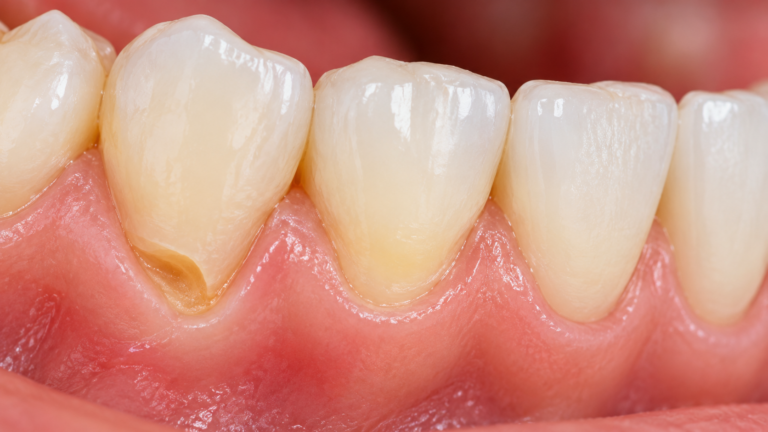
4. Decay Around the Crown’s Edge
A crown only covers the top part. Bacteria can sneak under at the edges, leading to decay or gum problems. Signs? Toothache, pain while eating, sensitivity, sore gums, or food getting stuck. This is why regular dental checkups still matter even after you get a crown.
5. Cracked Crown or Tooth
If you’ve cracked your crown — or the tooth under it — you might notice sharp pain when biting, or just on and off. Sometimes it’s obvious. Sometimes it’s sneaky and hard to spot without X-rays. Either way, don’t ignore persistent pain.
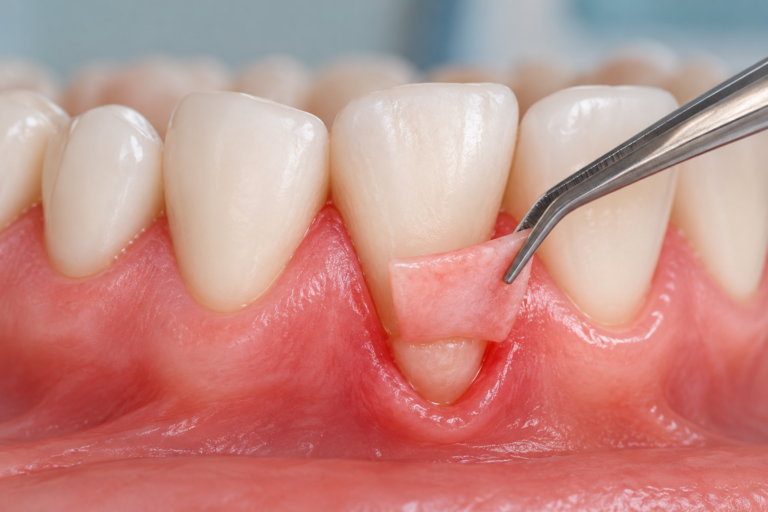
6. Gum Issues
After a crown, your gums can get a little irritated. Maybe they’re sore or swollen, especially around the edge of the crown. Plaque makes it worse. If your gums stay puffy, are painful, or bleed a lot, you need a professional to take a look.
7. Teeth Grinding and Clenching
If you grind or clench your teeth — especially at night — you can put way too much pressure on the crowned tooth. That means soreness, sensitivity, and sometimes jaw pain or headaches.
8. Loose Crown
If your crown wiggles, hurts when you chew, or traps food, it’s not sealed properly. Learn why a crown can fall out and how dentists fix it before the problem gets worse. Get it checked and fixed.
9. Infection Under the Crown
Even with a crown, teeth aren’t immune to infection. If you get swelling, throbbing, a bad taste in your mouth, or pus, don’t wait. These are red flags — you need treatment, not just painkillers.
Pain Under a Crown — What’s It Mean?
It’s not always an infection. It might be nerve irritation, decay, a crack, a high crown, or gum issues. If it comes and goes, don’t just brush it off. A dental problem can sneak up — sometimes, it starts quietly and worsens over time.
Pain When Biting Down — Should You Worry?
Yes, especially if your crown always feels like it’s the first thing your jaw hits. High crowns, cracks, loose crowns, or infections can all make biting painful. Tell your dentist — sometimes, a simple bite adjustment does the trick.
Temporary vs. Permanent Crown Pain — What’s the Difference?
Temporary crowns often cause more sensitivity (they’re not as sturdy or well-fitted as the final one). But if you’re in real pain, or your temporary crown is loose, falling off, or causing swelling, call your dentist.
How Long Should Crown Pain Last?
There’s no universal answer, but mild soreness from a new crown should fade in a few days to a couple of weeks. If it’s not getting better — or if it suddenly gets worse — don’t just wait it out.
When Is It Most Concerning?
– Severe, shooting, or throbbing pain
– Increasing pain
– Pain that wakes you up at night
– Swelling or fever
– Loose or cracked crown
– Pain that pops up months or years after your crown
Why Would a Crown Hurt Years Later?
Sometimes, the tooth looks and feels fine for ages, then suddenly starts acting up. Decay, cracks, a loose crown, gum problems, nerve issues, or teeth grinding all show up late sometimes. A crown isn’t an automatic shield for life.
How to Relieve Crown Tooth Pain at Home
– Skip foods that trigger pain — very hot, freezing cold, sticky, or hard foods are common culprits.
– Chew on the other side if you can.
– Keep your crown and gums clean, but don’t go overboard.
– Rinse with warm saltwater to soothe irritated gums.
– Take over-the-counter painkillers — but only if it’s safe for you.
– Absolutely avoid putting aspirin, booze, or essential oils right on your tooth or gums. Those home “remedies” don’t fix anything and can cause nasty burns.
If you suspect an infection, see your dentist. Don’t try to treat it yourself.
Do You Need Antibiotics?
Not always — pain alone isn’t a reason for antibiotics. The real fix depends on the cause. Sometimes you need an adjustment, a filling, a new crown, or root canal. Don’t mess around with leftover antibiotics.
When to See Your Dentist
Make an appointment if:
– Pain isn’t improving
– It’s getting worse or feels severe
– Your crown hurts every time you bite
– The crown is loose or cracked
– Your gums stay swollen or irritated
– You notice a bad taste, pus, swelling, or bleeding
– You’ve got pain months or years down the road
When Is Crown Pain an Emergency?
Rush for help if you get swelling in your cheek or neck, have trouble breathing or swallowing, develop a fever with severe pain, or can’t open your mouth. Major swelling in the face or throat can be a true medical emergency.
What Will Your Dentist Do?
They’ll start by listening to your symptoms and looking inside your mouth. You might get gentle tests for sensitivity, a bite check, or an X-ray. Treatment depends on what they find — sometimes just a simple crown adjustment, other times a new filling, root canal, or even crown replacement.
Can the Tooth Under Your Crown Get Infected?
Definitely. If there’s a nerve, it’s still at risk for new decay, inflammation, or infection. Even root-canal–crowned teeth can have late problems. If you’ve got swelling, fever, bad taste, pus, or serious pain, don’t wait.
Can a Crown Cause a Headache?
It’s possible, but only because of how your bite feels — too much pressure or tooth grinding after a new crown can set off jaw aches and headaches. If you have headaches plus jaw discomfort and a new crown, mention both at your next visit.
How to Prevent Dental Crown Pain
– Brush twice a day and floss (or use interdental brushes) around the crown.
– Pay special attention to gumlines.
– Don’t crunch ice or bite hard candies.
– Never use your teeth to rip open packages.
– Let your dentist know if you grind your teeth.
– Keep up regular checkups.
– Don’t ignore new pain.
The Takeaway
Crown pain is irritating—and sometimes a little alarming—but it’s not always a big deal. Mild tenderness after a new crown is normal, but pain that’s sharp, isn’t settling down, or keeps you up at night deserves attention. Whether you need a simple adjustment or more serious fix, don’t just wait and hope.
Your crown’s job is to protect your tooth, but it still needs some backup: good home brushing, regular dental visits, and a little common sense if something feels off. If you’re not sure what to do, call your dentist — better safe than sorry.



[…] procedure is common, though it usually fades. If sensitivity or pain continues, learn more about crown tooth pain and its possible causes. – The gums around the crown can get irritated if you don’t brush […]