A gold crown is one of the toughest, most dependable ways to repair a damaged tooth—especially those back molars that take a real beating when you chew. But if you’re thinking about getting one, chances are you’ve got some burning questions: How much does a gold tooth actually cost? Are they made of real gold, and if so, how much gold are we talking about? Is a gold crown better than porcelain? And are there any side effects you need to know about before making a decision?
Dentists have been using gold crowns for ages, particularly for molars and other back teeth that do most of the heavy lifting. These aren’t pure 24-karat gold, though. Instead, dental labs use a gold-based alloy—usually mixed with metals like platinum, palladium, or copper—to create something strong enough to last for years in your mouth.
What exactly is a gold crown tooth?
A gold dental crown is a custom-made cap that goes over a natural tooth that’s been badly damaged. Its job is to restore your bite and protect what’s left of your tooth.
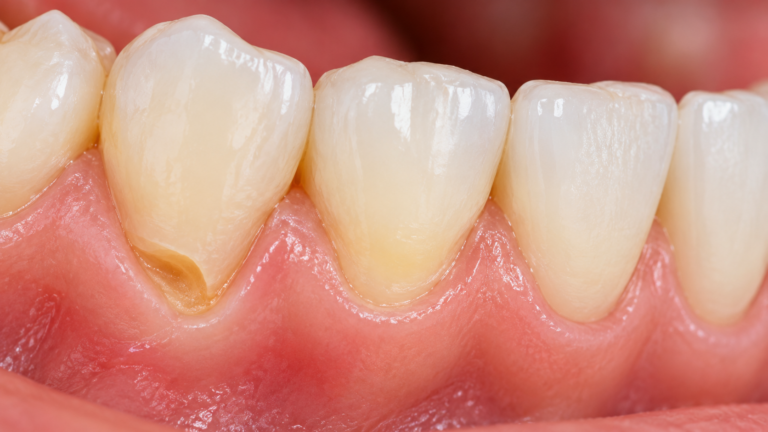
You might hear people call it a “gold cap,” “gold tooth crown,” “gold molar crown,” or “gold dental crown”—but they’re all talking about the same thing. Dentists usually recommend a crown like this when a tooth is severely decayed, cracked, really worn down, has a huge filling, or is weakened after a root canal.
Gold crowns go on molars and other back teeth most often, since nobody’s staring into the back of your mouth (and, let’s be honest, molars do most of the work).
One thing to know: a gold dental crown isn’t like one of those decorative grille caps you sometimes see in music videos. This is an actual medical restoration, fitted by a dentist, to protect and strengthen your tooth.
Are gold crowns made of real gold?
In most cases, yes—a gold dental crown contains real gold. But don’t picture a solid chunk of jewelry gold. Pure 24K gold would be way too soft for chewing. Instead, dentists use an alloy—a blend of gold and other metals like platinum, palladium, silver, or copper. The idea is to create something that won’t bend or wear down fast.
Alloys are sorted into classes based on noble metal content. Top-grade (“high-noble”) dental alloys contain at least 60% noble metals, with at least 40% of that being gold. Cheaper crowns might have less gold. If you want to know the exact mix, ask your dentist or the lab that makes your crown. There’s no universal answer—what you get depends on the dentist, the specific alloy, and your case.
How much gold is in a tooth crown?
It depends. There’s no standard amount of gold. The gold content varies based on things like:
– Which tooth is being crowned (molars need more metal)
– The crown’s thickness and design
– The type of alloy
– The gold percentage within that alloy
So, a big molar crown will naturally contain more gold alloy than a crown for a tiny front tooth. And “gold percentage” isn’t the same as “total weight.” If you’re trying to figure out how much gold is in an old crown, your dentist or a precious-metal refiner can help.
How much does a gold tooth cost?
This is where things get tricky—the answer is, “it depends.” In the U.S., a gold crown can run between $1,000 and $1,800, but sometimes more. Gold crowns tend to land at the higher end of the spectrum, but there’s a lot that affects price: where you live, your dentist, the lab, how complicated your case is, and what the alloy costs.
Older published estimates range from a few hundred bucks up to $2,000, but don’t expect a set nationwide price. What you actually pay covers a lot more than the gold itself—it includes the consult, x-rays, prepping and shaping your tooth, making impressions, the lab fabrication, and all the fitting and follow-up visits.
A few things that can bump up the cost:
– Where you get treated (big city, small town, country, etc.)
– Which alloy is used and how much gold it contains
– How much extra work your tooth needs before crowning (filling, root canal, build-up, etc.)
– Crown size and location
– Professional and lab fees
– Insurance coverage (sometimes crowns are covered, sometimes not)
Best advice: always ask for a written estimate before committing.
Is a gold crown more expensive than porcelain?
Not always. Porcelain and all-ceramic crowns can cost just as much as gold, depending on the materials, the lab, and the dentist. Gold isn’t always the priciest option, though porcelain fused to metal or zirconia crowns could be just as expensive—or even more—especially for front teeth.
Your dentist will help you weigh the options based on location in your mouth, how much you care about looks, how much chewing force the tooth deals with, how much healthy tooth remains, and, of course, your budget.
Gold crowns vs. porcelain crowns
The look is the big difference. Gold crowns are obviously metallic, while porcelain and zirconia are made to match your other teeth. When it comes to durability, gold crowns are hard to beat, especially on molars. They’re tough and don’t chip easily. Porcelain and zirconia still offer good durability but are more fragile and can chip if you’re not careful.
For front teeth, most people want something that blends in—so porcelain or zirconia makes more sense. But for back teeth, gold’s a smart pick if you care more about function than looks.
Quick comparison:
– Strength: Gold is excellent. Porcelain/zirc is also good, just more prone to chipping.
– Looks: Gold is, well, gold. Porcelain/zirc looks natural.
– Use on molars: Gold wins.
– Use on front teeth: Porcelain/zirc wins.
– Tooth prep: Gold lets you save a little more of your natural tooth.
– Metal-free: Porcelain and zirconia can be metal-free if that matters to you.
– Longevity: Both can last for years.
Why would anyone choose a gold crown if there are tooth-colored options?
There are some good reasons:
– Gold alloys are strong and top-notch for durability—you can count on them for years.
– They don’t crack or chip easily.
– Gold crowns are gentle on the teeth they bite against, so you’re less likely to wear down the opposite tooth.
– Dentists can often save more of your healthy tooth compared to some porcelain options.
– Gold has a seriously long track record in dentistry.
Any downsides or side effects with gold crowns?
For most people, gold crowns work great, but here are a few possible trade-offs:
– Tooth sensitivity right after the procedure is common, though it usually fades. If sensitivity or pain continues, learn more about crown tooth pain and its possible causes.
– The gums around the crown can get irritated if you don’t brush and floss well, or if plaque accumulates.
– A high spot (if the crown isn’t adjusted just right) can make your bite uncomfortable.
– Metal sensitivity can be an issue if you’re allergic to certain metals—let your dentist know if you have any metal allergies.
– Decay is still possible around the edge of a crown, so good oral hygiene is a must. If you develop persistent pain, sensitivity, or other signs of a toothache, talk to your dentist.
– Of course, the biggest downside is how gold looks—it’s not exactly under the radar.
Are gold crowns toxic?
No, gold crowns are considered biocompatible and safe for almost everyone. Gold and its alloys resist corrosion, which is part of why dentists trust them. But these are alloys—so if you know you’re allergic to, say, nickel or another metal often mixed in, tell your dentist before getting a crown.
How do you actually get a gold crown?
First, you need a dental exam. Your dentist checks your tooth, possibly with an X-ray, and decides whether you really need a crown.
If you do, here’s how it normally goes:
1. Your dentist preps the tooth—removing decay, shaping it, and sometimes doing a little extra work if the tooth is badly damaged.
2. An impression or digital scan is made to capture the shape of your tooth.
3. You get a temporary crown while the lab creates the real thing.
4. The lab makes your custom crown.
5. At your next appointment, your dentist fits the crown, checks your bite, and cements it in.
Depending on how fast your dentist and lab work, this can take one long visit or a couple of appointments.
How long do gold crowns last?
This is where gold really shines. With good care, a gold crown can stick around for decades. Of course, nothing lasts forever—but these are some of the most durable restorations out there.
What determines lifespan? How well you take care of your teeth and gums, whether you grind your teeth at night, and the quality of the work. If you’re a teeth grinder, ask your dentist about a night guard—it protects your crowns (and your teeth in general).
Are gold crowns worth anything once they’re old?
Not as much as you think. If you paid $1,500 for your crown, that’s not what the gold inside is worth. Most of that price is for the dentist’s and lab’s work—not the metal. But if you ever get a gold crown removed, you can sell it as scrap for the gold and precious metals it contains. A precious-metal refiner can test it and offer a price based on weight and metal content.
Does insurance cover gold crowns?
Sometimes, yes. If your policy covers crowns for medical reasons, gold might be covered similarly to other materials. If the crown is mainly cosmetic, insurance may not cover it, or coverage could be capped. Before your appointment, have your dentist’s office check with your insurer—find out what’s covered, your deductible, and your likely out-of-pocket cost. It never hurts to get a pre-treatment estimate in writing.
So, gold crown or porcelain: which is better?
It comes down to what you want and what your dentist thinks is best. Gold is great if durability is top priority and the tooth is in the back where looks aren’t as big a deal. Choose porcelain or zirconia if “invisible” and metal-free is what you want, especially for front teeth. Your dentist will walk you through the pros and cons for your specific situation.
Frequently asked questions:
Q. How much does a gold tooth cost?
In the U.S., it usually runs $1,000 to $1,800 or more, depending on location, dentist, and the complexity of your case.
Q. How much is a gold “tooth cap”?
That’s the same thing as a gold dental crown, so the price factors are identical.
Q. How much gold is actually in a dental crown?
It varies—a crown can have more or less gold based on its size and the alloy used.
Q. Are gold crowns real gold?
They contain real gold, but they’re blended with other metals for strength.
Q. How long will a gold crown last?
With good care, many years. Decades isn’t impossible if you treat your teeth well.
Q. Are gold crowns better than porcelain?
For toughness and molar strength, yes. But if you care about looks, porcelain or zirconia usually wins.
Q. Can you get a gold crown on an implant?
Absolutely. If you and your dentist agree it’s the best option, a gold crown can go on a dental implant.
Q. What’s an old gold crown worth?
It depends on gold content, weight, and the current price of precious metals, but it’s usually worth more as scrap than as a tooth.
Bottom line
A gold crown is a fantastic, long-term fix—especially for molars that need to stand up to heavy chewing. The benefits: outstanding strength, serious longevity, and gentle treatment of the tooth underneath. The main downside is the color—there’s no hiding it’s a gold tooth.
When you’re weighing price or comparing gold, porcelain, and other crown materials, don’t just look at the numbers. Talk to your dentist about what alloy will be used, whether you need any extra prep work, and what’s covered in the price quote. Most importantly, pick the material that fits your tooth, your mouth, and your priorities—not just your wallet. A good crown isn’t always the priciest—it’s the one that lasts, feels comfortable, and keeps your tooth safe. Start with a dental exam and go from there.