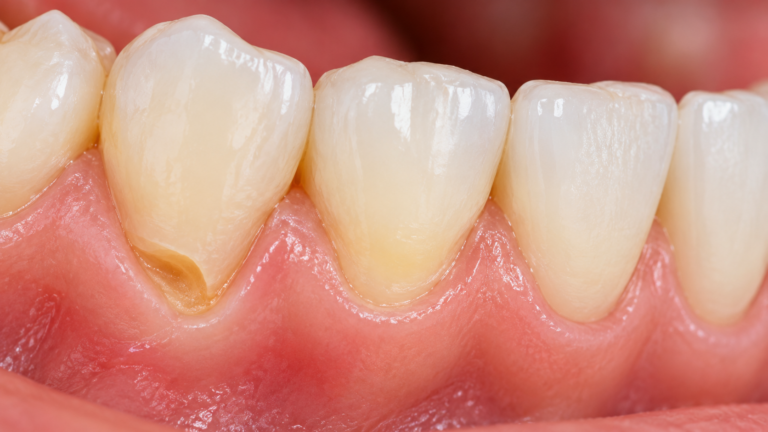
If your gums are starting to pull away from your teeth, you might notice your teeth look a bit longer, they’re sensitive to cold drinks, or you can even see parts of the tooth root. These are signs of gum recession—and honestly, it’s pretty common.
Sometimes, a dentist will recommend a gum graft to protect those exposed roots and beef up the thin gum tissue around your teeth. Gum grafting is a type of surgery that adds healthy tissue to spots where your gums have thinned or receded.
Sure, the idea of gum surgery sounds intimidating, but knowing what’s involved makes it feel way less scary. A gum graft isn’t just about a prettier smile, either. It protects vulnerable roots, reduces sensitivity, and builds a sturdier, healthier gumline.
What Is a Gum Graft?
A gum graft—sometimes you’ll hear it called a gingival graft—is when doctors take healthy tissue and use it to fix spots where your gums have thinned or pulled away.
When gums start to recede, they leave part of your tooth root exposed. And that’s a problem, because the root isn’t as tough as the top part of your tooth. It’s more likely to feel sensitive, develop cavities, and eventually wear down.
During a gum graft, a periodontist places tissue over the affected area and secures it with tiny stitches. Sometimes the tissue comes from your own mouth; sometimes it’s donor material.
The main goals are:
– Covering exposed roots
– Protecting the root from further damage
– Reducing sensitivity
– Thickening thin gums
– Improving the gumline’s appearance
– Preventing more recession
Gum recession doesn’t always mean you need surgery. Treatment depends on why it happened, how severe it is, and whether it’s getting worse.
Why Would You Need a Gum Graft?
Gums can recede for all kinds of reasons:
– Gum disease
– Brushing too hard
– Naturally thin gums
– Injury to the gums
– Smoking or tobacco
– How your teeth sit
– Certain orthodontic movements
– Long-term gum inflammation
Your dentist needs to figure out if the recession is stable or getting worse.
For example, if rough brushing is causing mild recession, your dentist might just suggest switching to a softer toothbrush and gentler technique.
If your gums are very thin, the recession keeps progressing, or the root is really exposed, gum grafting goes on the table.
What happens if you ignore receding gums?
Sometimes receding gums aren’t a huge deal. But if it keeps going, more of the root gets exposed.
This can lead to:
– Tooth sensitivity
– Root decay
– Root wear
– Harder cleaning in that area
– More gum recession
– Changes in your smile’s appearance
If gum disease is the culprit, that needs to be treated first. Gum grafts don’t fix active infections or inflammation.
Types of Gum Grafts
There’s no one-size-fits-all gum graft.
Your periodontist will look at where the recession is, how much tissue you have, and your goals for the treatment.
1) Connective Tissue Graft
This is pretty common. A periodontist takes some connective tissue from under the skin on the roof of your mouth and places it over the receded area. It’s good for covering roots and making the gum thicker.
2) Free Gingival Graft
Here, tissue comes straight from the roof of your mouth. It’s mainly about adding more protective gum tissue—not just covering the root.
3) Pedicle Graft
This uses tissue from right next to the recession. The periodontist moves a flap of your own gum—still attached to its blood supply—over the exposed spot. But you need enough healthy gum nearby for this to work.
Your periodontist will decide which technique fits your situation after examining your gums.
How Does the Gum Graft Procedure Work?
Usually, a periodontist does these grafts, but the steps can vary a bit depending on each person. Here’s where it begins:
1. Examination and Planning
Your dentist takes a close look at your gums, checking exactly how much they’ve pulled back. They measure the recession, look for any deep pockets, check for gum disease, and take note of any exposed roots. Figuring out why your gums receded is just as important as fixing the problem itself.
2. Numbing
They use local anesthesia, so you won’t feel sharp pain. You might sense motion or pressure, but it stays numb. If you’re nervous, sedation options are sometimes available.
3. Preparing the Gum
The periodontist cleans up and shapes the area where the graft will go, including cleaning the exposed root.
4. Preparing the Graft
If you’re getting an autograft, tissue comes from the roof of your mouth. Sometimes donor material is used, meaning no need for a palate incision.
5. Placing the Graft
The graft gets positioned over or around the recession. Placement depends on how much root coverage or gum thickening is needed.
6. Securing the Graft
Tiny stitches hold everything in place while healing starts. Some dissolve; others get removed later.
All told, it takes about an hour for one area, but more if several teeth are involved.
Can You Have Multiple Gum Grafts at Once?
You can have several gum grafts in one go, if your periodontist thinks it’s doable and prefers that approach. There’s no hard-and-fast limit.
Factors include:
– How many teeth need treatment
– Where the recession is
– The graft type
– How much donor tissue is available
– Surgical area size
– Your oral health
– Recovery expectations
Doing several at once cuts down procedures, but makes recovery tougher. Sometimes, doing it in stages is more comfortable.
So, wondering how many gum grafts in one sitting? It really depends on your situation.
Can Gum Grafting Be Done on Molars?
Yes, molars can get gum grafts. Even though recession tends to show up on front teeth, back teeth aren’t immune.
Treating molars can be a bit trickier, given their spot in your mouth and the gum tissue available.
Your periodontist will consider:
– How deep the recession is
– Gum thickness
– Molar position
– State of nearby teeth
– Any gum disease
– Best grafting technique
The goal is healthy, stable gums—not necessarily perfect aesthetics on every tooth.
Does Gum Graft Surgery Hurt?
The surgery itself is done with local anesthesia, so you shouldn’t feel sharp pain. After it wears off, some discomfort is normal.
Expect some:
– Soreness
– Tenderness
– Swelling
– Mild bleeding
– Sensitivity
– Tightness
How much it hurts depends on the procedure and how many spots got treated. If tissue came from the roof of your mouth, that spot might ache too.
Your periodontist will recommend ways to manage pain, including medication.
Gum Graft Recovery: What to Expect
Initial healing takes about one to two weeks, but deeper tissue keeps healing longer. Recovery is personal—it depends on the procedure and how big an area it covers.
First 24 Hours
You’ll probably feel swelling, soreness, mild bleeding, and numbness. The stitches and protective material might make your mouth feel strange. Follow your dentist’s instructions, and don’t mess with the graft.
Days 2–4
Swelling and tenderness often stick around. Some folks get a bit of bruising. Stick to soft foods and avoid anything hard, spicy, hot, or crunchy.
Days 5–7
Most people start feeling better here, but your gum is still healing. Don’t assume it’s all set just because you feel okay.
Around Two Weeks
Your periodontist may check in and let you know when to ease back into regular brushing, eating, and exercise. The gum’s color and texture will keep changing as it matures.
What Can You Eat After a Gum Graft?
Eating soft foods makes life easier. They don’t require much chewing and won’t disturb the graft.
Try:
– Yogurt
– Scrambled eggs
– Mashed potatoes
– Soft pasta
– Cottage cheese
– Soft fish
– Cooked vegetables
– Pudding
Skip anything sharp, crunchy, spicy, or hot. Your dentist may advise avoiding very hot foods and drinks for a while.
What Does a Healed Gum Graft Look Like?
A newly healed graft doesn’t look perfect right away. Early on, it can seem pale, swollen, uneven, or different in color from your regular gums. That’s totally normal.
Gum tissue keeps changing as it heals and matures—so don’t panic if before-and-after photos don’t match up fast. Sometimes, it takes weeks or months to see the final result. Your periodontist will tell you if healing is on track.
Possible Risks and Complications
Gum grafting is generally safe, but things can go wrong.
Watch for:
– Bleeding
– Infection
– Swelling
– Ongoing discomfort
– Graft movement
– Incomplete root coverage
– Graft failure
– Changes in appearance
Minor bleeding is common, but heavy or prolonged bleeding needs attention. Contact your dentist if you get severe pain, fever, big swelling, pus, or if the graft moves or comes loose.
Follow aftercare instructions—they matter a lot.
Gum Grafting and Periodontal Disease
Gum grafting isn’t always the same as treating gum disease. If gum disease has caused recession and inflammation, your dentist needs to handle the infection first.
Treatments might include professional cleaning, scaling and root planing, better home care, or more surgery.
A graft usually comes in if roots are exposed or you need more gum tissue. Fighting gum disease is critical if you want to protect your gums and keep graft results.
When Should You Contact Your Dentist?
Call your dentist or periodontist if you notice:
– Heavy bleeding that won’t stop
– Severe or worsening pain
– Fever
– Pus or odd drainage
– Significant swelling
– Graft separation
– Symptoms getting worse, not better
Some discomfort is expected—what’s not is pain or symptoms that keep ramping up.
Frequently Asked Questions
Q. How many gum grafts can you get?
No one-size-fits-all answer. Sometimes several areas are treated in one go; other times, it’s staged.
Q. Can gum grafts be done all at once?
Often, yes. Your periodontist decides, depending on the case.
Q. How long does recovery take?
Mostly one to two weeks for initial healing, though the graft matures longer.
Q. Can you get a gum graft on a molar?
Yep. It’s doable when recession and surrounding tissue make sense for it.
Q. Does a gum graft fix receding gums forever?
It provides lasting protection, but new recession can happen if underlying causes aren’t controlled.
Q. Where does gum graft tissue come from?
Usually your own mouth—often the palate—but sometimes donor material.
Q. Is gum graft surgery painful?
During surgery, you’re numb. Afterward, soreness and swelling are normal.
Q. What happens after gum surgery?
You need to protect the graft while it heals. Your dentist gives instructions for food, hygiene, medication, exercise, and follow-up.
Final Thoughts
Gum grafts can be a key treatment for gum recession, exposed roots, sensitivity, or thin gums—but they’re not for every case. Your dentist or periodontist needs to figure out what’s causing the recession and whether grafting makes sense.
Connective tissue grafts, free gingival grafts, and pedicle grafts are all options for adding tissue and protecting your teeth. Recovery is a gradual process—expect some swelling and soreness, then steady improvement.
If your teeth are looking longer, your gums are pulling away, or your roots feel sensitive, don’t just ignore it. Get checked out by your dentist. They’ll guide you on whether you need monitoring, gum disease treatment, a change up in your brushing routine, or gum graft surgery.