Finding a lump, sore, or odd spot in your mouth can make anyone nervous. Even though most mouth issues clear up on their own, sometimes you need a closer look to know what’s really going on. So if your dentist suggests a gum biopsy, don’t panic. It’s just a way to get to the bottom of things and make sure you get the right treatment.
A gum biopsy (you might also hear it called a gingival or gingiva biopsy) is a simple procedure where your dentist removes a tiny sliver of gum tissue and sends it off to the lab. There, a pathologist checks the sample under a microscope. This helps figure out if you’re dealing with an infection, inflammation, a harmless growth, or something more serious like oral cancer.
A lot of people hear “biopsy” and immediately think “cancer,” but that’s really not the case most of the time. Actually, most oral biopsies come back showing nothing dangerous. The whole point is to turn mystery into a clear answer.
What Is a Gum Biopsy?
Basically, a gum biopsy means your dentist takes a small bit of gum tissue for lab testing. The pathologist examines it and reports what’s actually happening in that spot.
Dentists usually recommend a biopsy if you have a sore, lump, ulcer, or patch in your mouth that won’t heal after a couple weeks, or if something just looks off during your regular checkup.
You can’t always tell what’s wrong just by looking, or with an X-ray. Sometimes you need a biopsy to get the details.
What Can a Mouth Biopsy Detect?
Patients often ask, “What can a mouth biopsy actually pick up?” A lot, honestly. It can diagnose things like:
– Oral cancer
– Precancerous changes
– Benign tumors
– Chronic inflammation
– Bacterial, fungal, or viral infections
– Autoimmune diseases
– Fibromas or cysts
– White or red patches (leukoplakia or erythroplakia)
– Lichen planus
– Weird gum growths
With a biopsy, your dentist isn’t guessing anymore—there’s no more relying on “what it might be,” just facts.
Why Would You Need a Gum Biopsy?
Not every sore turns into a biopsy. If you bite your cheek, burn your mouth, or your gums get irritated by braces, things usually heal quickly.
But your dentist might recommend a biopsy if a spot won’t heal, gets bigger, or looks unusual.
So, when should you think about getting a biopsy?
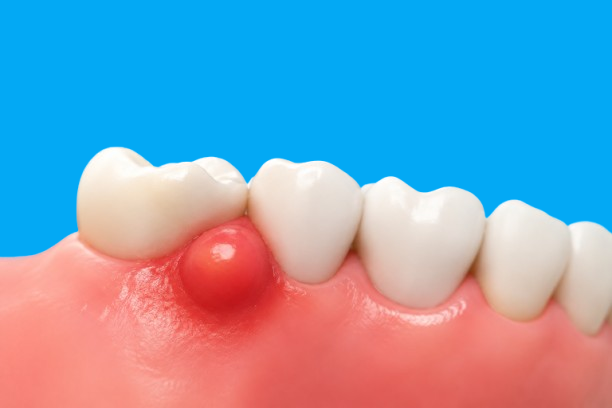
– If you have gum growths that hang around, even if they’re not painful.
– White or red patches that don’t clear up after two weeks.
– Mouth ulcers that just won’t heal, keep getting bigger, or bleed easily.
– Ongoing pain, swelling, or bleeding when you don’t know why.
– Gums that feel thicker or bumpier than normal for no clear reason.
When Is a Biopsy NOT Needed?
Honestly, you don’t need a biopsy for every little thing. If you know the cause (like burning your mouth on pizza or bites from braces), and it heals up fast, you’re probably fine. Dentists usually just keep an eye on these spots before jumping to a biopsy.
Signs You Should Never Ignore
Not every problem is “just nothing.” If you notice any of these, go see your dentist:
– Sores that last longer than two weeks
– Lumps inside your mouth
– Gum growths that look weird or keep changing
– White or red patches
– Unexplained bleeding
– Chewing or swallowing problems
– Numb spots in your mouth
– Loose teeth (without obvious gum disease)
– Swelling that won’t go away
Catching things early makes life—and treatment—a lot easier.
Types of Oral Biopsies
Your dentist will pick the strategy based on where the abnormal area is and how big it is:
1) Incisional biopsy
They take just a tiny piece from a larger spot.
2) Excisional biopsy
The whole lesion gets removed, plus a little border of healthy tissue.
3) Fine needle aspiration
A thin needle draws out cells from a lump or deeper area.
4) Brush biopsy
A brush gathers cells from a surface lesion—if the results are odd, your dentist will use a more traditional biopsy to double-check.
Common Biopsy Locations
Depending where the problem is, you’ll hear terms like:
– Tongue biopsy: For odd patches or lumps on your tongue.
– Mouth biopsy: For the inner cheeks, lips, floor of the mouth, etc.
– Hard palate biopsy: If there’s a suspicious spot on the roof of your mouth.
– Jaw biopsy: Sometimes involves bone, especially if imaging shows cysts or strange spots.
Who Performs a Gum Biopsy?
This really depends on what’s going on. It could be your regular dentist, a gum specialist (periodontist), oral surgeon, oral medicine specialist, or even an oral and maxillofacial surgeon for more complicated cases. If needed, you’ll get referred to the right expert.
Preparing for Your Oral Biopsy
Getting ready is usually simple. Before your appointment, your dentist will check your medical history, current meds, allergies, bleeding concerns, and past surgeries.
If you’re on blood thinners, don’t stop them unless your healthcare provider says so. Most people can eat normally before a biopsy with local anesthesia. If you’re getting sedation, you’ll get specific instructions from your dentist.
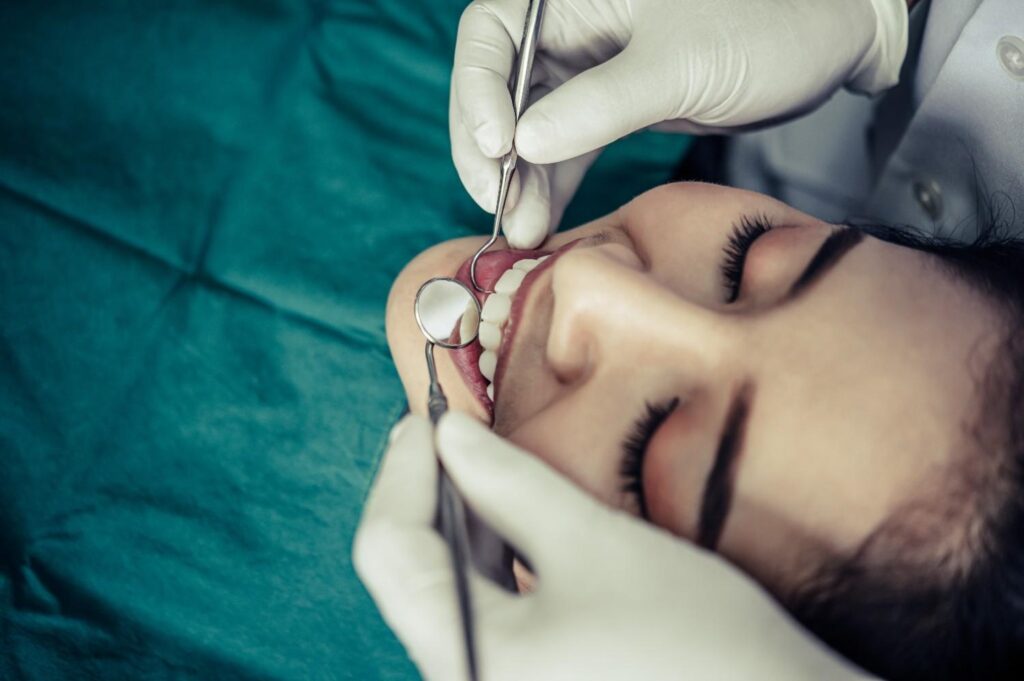
What Happens During the Procedure?
Most gum biopsies are over in about half an hour to an hour. Here’s what actually happens:
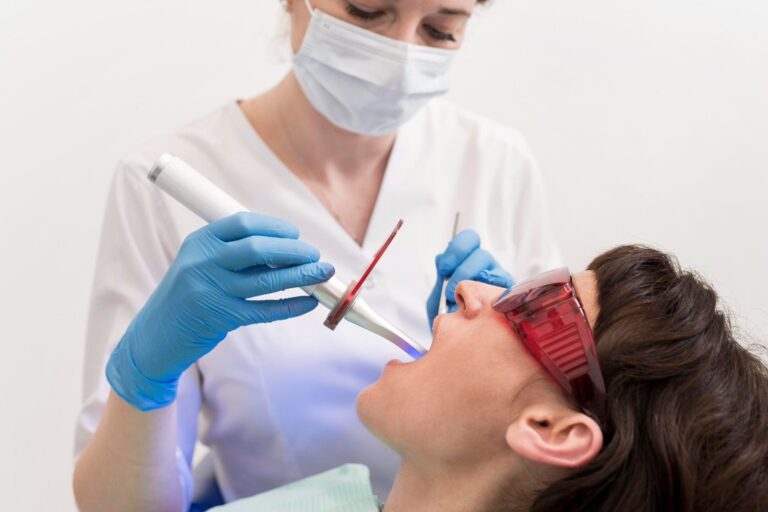
1. The dentist checks everything out and figures out exactly where to take the sample.
2. They numb the area with a local anesthetic.
3. Then they take a small bit of tissue using the right method.
4. If there’s bleeding, they stop it—sometimes just pressure does the trick, other times you’ll need a stitch or two.
5. The sample gets sent off to the lab.
The procedure isn’t painful—just some pressure or weird sensations.
Recovery After a Gum Biopsy
Gum biopsies are minor, and most people bounce back quickly. Healing depends on the size and spot of the biopsy, and how well you follow your dentist’s advice.
You can expect a bit of soreness, slight swelling, and maybe minor bleeding for the first day. This usually fades in a couple days.
Here’s a rough timeline:
First 24 hours: Numbness, a little soreness or bleeding.
Days 2–3: Swelling drops off, discomfort improves.
Days 4–7: Most of the healing happens, stitches might come out.
1–2 weeks: Small sites finish healing; bigger spots take a bit longer.
Follow your dentist’s instructions—it really does help.
How to Care for the Biopsy Site
Here’s what helps:
Do:
– Brush gently around the area.
– Keep things clean.
– Take medications as directed.
– Drink plenty of water.
– Eat soft foods at first.
– Keep your follow-up appointment.
Don’t:
– Smoke or vape.
– Drink alcohol while you’re healing.
– Touch the area with your fingers.
– Pick at your stitches.
– Eat hard or spicy stuff until you feel better.
What Can You Eat After a Gum Biopsy?
Soft, bland food is your friend: yogurt, scrambled eggs, mashed potatoes, oatmeal, applesauce, smoothies, pasta, soup that isn’t piping hot…you get the idea.
Skip chips, nuts, popcorn, citrus fruits, anything crunchy, spicy, or hot, and alcohol. These can slow down healing or make things hurt more.
Possible Risks and Complications
Gum biopsies are really safe but, like anything, there are some risks. Most people just experience mild bleeding, swelling, bruising, or tenderness, and these don’t last. Occasionally, you might get an infection, slow healing, or an allergy to the anesthetic.
But, if you have:
– Heavy bleeding that won’t stop
– Fever
– Major swelling
– Pus or foul-smelling drainage
– Pain that gets worse instead of better after a few days
– Trouble swallowing or breathing
Call your dentist right away. Early action keeps things minor.
Understanding Your Biopsy Results
Waiting for results usually takes a few days up to two weeks, and feeling a bit anxious is completely normal. Just remember: the biopsy is to get answers—not because anyone’s already certain about cancer.
Pathology reports might say:
– Normal tissue—no problems found.
– Inflammation—could be from irritation, infection, or immune issues.
– Infection—specific bacteria, virus, or fungus identified.
– Benign growth—not cancer, might just need monitoring or removal.
– Dysplasia—cells look a bit off, but not cancer. Often managed with close follow-up.
– Oral cancer—if found, you’ll get a referral to a specialist right away. Early detection makes a big difference for outcomes.
Can a Gum Biopsy Detect Cancer?
Yes, it’s considered the most reliable way to check for oral cancer, but most biopsies don’t find cancer. Dentists use biopsies to sort out all sorts of possibilities—from infections or benign growths to autoimmune problems and cysts.
About BioGaia and Oral Probiotics
You might’ve heard of BioGaia for gums and teeth—it’s a probiotic that’s supposed to help oral health. While some studies show oral probiotics can reduce harmful bacteria and boost gum health, they can’t diagnose or cure suspicious patches, lumps, or sores.
If your dentist recommends a biopsy, taking probiotics isn’t a substitute. Only a biopsy will reveal what’s really going on.
How Much Does a Gum Biopsy Cost?
Pricing varies. Things like your location, the type of biopsy, lab fees, if you need sedation, and your insurance matter.
Clinics often bill separately for the actual procedure and the lab analysis. If you’re worried about the price, just ask for an estimate first.
Does Insurance Cover an Oral Biopsy?
Most dental and medical insurance plans cover at least part of the cost if the biopsy is medically necessary. Check with your provider ahead of time—ask what’s covered, if the lab fees are included, if you need pre-authorization, and whether your dentist or specialist is in-network.
Common Questions
Q. Is a gum biopsy painful?
No—local anesthesia numbs the area, so you might feel pressure but nothing sharp or painful. Soreness after is common, but it fades fast.
Q. How long does a mouth biopsy take?
Usually between 30 and 60 minutes. The tissue removal itself is pretty quick.
Q. How long does healing take?
Most people are back to normal in a week or two, depending on how big the sample was and where it came from.
Q. What can a mouth biopsy detect?
Everything from cancer and precancerous changes to benign growths, infections, autoimmune disease, cysts, and odd inflammatory changes.
Q. Is a tongue biopsy different from a gum biopsy?
The technique’s about the same, but tongues are sensitive and move a lot, so you might feel sore a little longer.
Q. Can kids get oral biopsies?
Yes, though it’s not common. Sometimes kids do need one to figure out persistent sores or growths. Pediatric dentists or oral surgeons decide on the best approach.
Final Thoughts
A gum biopsy might sound intimidating, but it’s simply a way to get answers so you can move forward with the right treatment. Lots of different mouth issues can look alike—a small sore, patch, or lump might be just irritation or infection, or something that needs more attention. A biopsy takes out the guesswork.
Most procedures are straightforward, recovery isn’t bad, and plenty of biopsies show harmless results. If you spot a mouth sore or lump that won’t heal after two weeks, don’t wait—let your dentist check it out. Early diagnosis means easier, faster treatment and keeps your mouth (and your peace of mind) in good shape for the long run.