That first little tooth might not look like much, but it matters a lot to your baby’s overall health. Baby teeth do more than just chew—they help your child speak clearly and save space for those adult teeth down the road. That’s why taking care of your baby’s mouth actually starts earlier than most parents expect.
Lots of parents wonder things like, “So, when do I start brushing my baby’s teeth?” or “Am I supposed to clean my baby’s gums before the teeth show up?” Even, “What about toothpaste—when does that come into the picture?” The answer’s pretty simple: start even before you see a tooth.
Many people wait until a few teeth pop in to get started with brushing. But bacteria can hang out in your baby’s mouth long before teeth appear. If you get in the habit of cleaning those gums early on, you’re setting the stage for healthier teeth and less pushback when it’s time to brush for real.
This doesn’t have to be complicated. With a soft toothbrush, just the right amount of toothpaste, and a solid daily routine, you can keep your baby’s smile healthy from the very beginning.
When should you start brushing baby teeth?
Honestly, oral care should start in the newborn phase—even if you don’t see a single tooth yet.
Cleaning baby gums: Is it necessary before teeth show up?
Yep, don’t skip the gums. Cleaning your baby’s gums sweeps away milk residue, limits bacteria, and teaches your baby what it feels like to have their mouth cleaned. Here’s what you do:
– Wash your hands.
– Grab a clean, damp, soft cloth.
– Gently wipe those gums once or twice a day.
Some folks use a soft silicone finger brush, too—that’s fine, as long as it’s gentle. This early cleaning is basically training for the toothbrush later on. Babies who get used to this routine usually put up less of a fight when their first tooth pops in.
When do babies get their first tooth?
Most babies sprout their first tooth at around six months, but every kid’s timeline is different. Some are early, some are late, but you’ll usually catch a first tooth sometime before their first birthday.
Teething signs you might see:
– Drooling like crazy
– Wanting to chew everything in sight—fingers, toys, you name it
– Swollen or tender gums
– Fussy moods
– Biting anything they can grab
As soon as you spot that first tooth, grab a toothbrush. Don’t wait for a mouthful of teeth—any tooth, even one, can still get cavities if you don’t keep it clean.
When should babies start with toothpaste?
Parents ask this all the time. You can start using toothpaste as soon as you see that first tooth. Use a tiny smear—like, rice-sized—of fluoride toothpaste. Twice a day is the goal. Don’t fill up the whole brush; babies swallow most of what you use, so the smaller the better. The right amount protects their teeth without making them swallow more than they need.
Do you really need baby toothpaste?
Honestly, the label isn’t as important as what’s inside. You want a toothpaste that’s safe for kids, has fluoride (unless your dentist says otherwise), and is right for your child’s age. “Baby” or “kids’” toothpaste just means it’s gentle and the flavor isn’t too strong.
How to brush your baby’s teeth: A step-by-step look
When that first tooth comes in, it’s go time for brushing. But—let’s be real—babies wiggle, fuss, and sometimes want to do it themselves. The point isn’t just to clean, but to make sure brushing doesn’t turn into a nightly battle.
Step 1: Pick the right time
Brush after breakfast and again before bed. The bedtime brush is especially helpful for clearing away milk and food, plus all the stuff that builds up during the day.
Step 2: Use just a little toothpaste
You only need a rice-sized dab of fluoride toothpaste, a soft baby toothbrush, and gentle circles. More toothpaste isn’t better.
Step 3: Get your baby comfy
Sit your baby on your lap, or stand behind them with a mirror if they’re older. For squirmy little ones, rest their head against your chest or thigh.
Step 4: Clean every surface
Brush the fronts, backs, chewing surfaces, and along the gums. Soft circles are all you need—don’t scrub too hard.
Step 5: Let them try, but always finish the job
Let your child take a turn if they want to—then you go back and make sure each tooth gets clean. Celebrate their effort; they love praise.
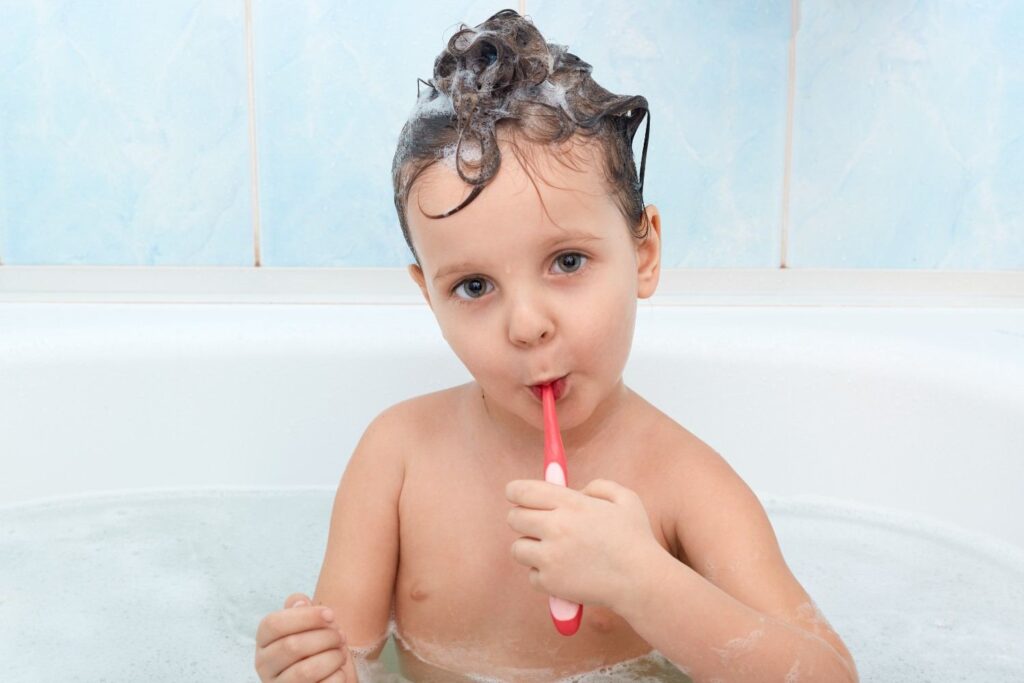
How to brush a 1-year-old’s teeth
At one year, most kids are independent little handfuls. Stick to brushing twice a day—after breakfast and before bed. Use that tiny bit of fluoride toothpaste and brush all their teeth gently. At bedtime, make it the last thing before sleep, and if possible, skip the bottles of milk or juice in bed. Those drinks at night can really speed up tooth decay.
Brushing as they get older
By 12 months, your child should have their own little toothbrush. You’ll probably notice them wanting to bite the brush or even take over. That’s fine—just help them clean well and make the whole experience as positive as possible.
Got a 15-month-old who says “no” to brushing?
Try giving choices: “Blue toothbrush or green one?” “Brush before or after storytime?” And keep things playful—sing a song, let them see themselves in the mirror, or use silly words. Kids respond much better when things feel fun.
Choosing the right toothbrush
You’ll want something with extra-soft bristles, a small head, and a chunky, easy-to-grip handle. For gum cleaning, a silicone finger brush works. As soon as teeth come in, switch to a regular baby brush.
The toothbrush for a one-year-old should fit their small mouth and be comfortable for you to use, since you’re still doing most of the work. It’s not just about cleaning—it’s about building the brushing habit.
Common mistakes parents make
– Waiting too long to start: Don’t wait for a mouthful of teeth. Wipe gums and start brushing right away.
– Using too much toothpaste: Stick to a rice-sized smear.
– Letting toddlers do it all: It’s nice to let them try, but always clean their teeth yourself, too.
– Rushing: Don’t just swipe the front teeth. Take your time, get every surface.
– Making brushing a struggle: Try to keep it positive—talk about keeping their smile bright, celebrate effort, don’t lean on threats or scare tactics.
Age-by-age baby teeth care
0–6 months: Wipe gums with cloth or finger brush.
6–12 months: Brush first teeth with a tiny bit of fluoride toothpaste.
12–24 months: Keep brushing twice daily, let them practice, but you finish.
2 and up: Start encouraging more independence, but double-check those teeth.
When to see the dentist
Don’t wait for a problem. Try for a first dental visit by your baby’s first birthday, or within six months of that first tooth showing up. Early visits are about learning and prevention—your dentist will check how things look, answer questions, and make sure you’re on track.
FAQs, real quick
Q. Should you brush your baby’s gums?
Definitely. Clean their gums even before any teeth come in.
You can use:
- A clean, damp washcloth
- A soft gum brush made for infants
- A finger brush
Gently wipe the gums to clear out any leftover milk. It’s a simple step, but it gets your baby used to having their mouth cleaned.
Q. When should you start brushing your baby’s teeth?
Right when you see that first tooth.
Don’t wait for more teeth to pop in. Even one tooth can get plaque and cavities if you skip brushing.
Q. When can babies use toothpaste?
As soon as that first tooth comes in, it’s time.
For little ones under three:
- Use fluoride toothpaste.
- Only put on a rice-sized bit.
- Brush twice a day—morning and night.
Don’t stress about the brand. The right amount is what matters.
Q. How often do you brush a one-year-old’s teeth?
Twice a day—once in the morning, and again before bed.
Nighttime brushing is super important because it gets rid of food and bacteria before your child goes to sleep.
Q. How do you actually brush your baby’s teeth?
1. Grab a soft baby toothbrush.
2. Squeeze on a tiny bit of fluoride toothpaste.
3. Hold your baby so they feel safe and cozy.
4. Brush gently in small circles.
5. Make sure you cover the front, back, chewing surfaces, and right along the gumline.
Keep helping your baby brush until you’re sure they can do it well on their own.
Bottom line
Start early—clean gums, brush the first tooth right away, use just a tiny bit of fluoride toothpaste, and keep the routine fun and positive. It takes just a few minutes a day, but those minutes matter. You’re not just cleaning teeth—you’re building healthy habits that will last them a lifetime.