Losing a tooth isn’t just about your smile—it can make eating tough, talking awkward, and even chip away at your confidence. Luckily, dentistry has come a long way. You’ve got all sorts of choices now, from a single replacement tooth to complete sets of dentures that look and feel much more real than the clunky, fake-looking ones people imagine from the past.
A lot of folks still picture dentures as giant, uncomfortable slabs of plastic that never trick anyone. In reality, today’s artificial teeth and removable prosthetics are a different story. They’re lighter, more natural-looking, comfortable, and can blend in with your natural smile.
What Exactly Are False Teeth?
False teeth just stand in for your natural teeth when you’ve lost one, some, or even all of them. You’ll probably hear people call them dentures most of the time, but the term also covers bridges and implant-supported teeth.
Depending on your situation, a false tooth can replace:
– Just one missing tooth
– A few teeth
– All your top teeth
– All your bottom teeth
– Both top and bottom teeth
Modern false teeth aren’t just about looks—they help you chew, speak, and smile with confidence. Most are designed to be removable, but you can get fixed versions too, usually anchored by dental implants vs dentures.
What Do You Call an Artificial Tooth?
People use all sorts of names—false tooth, fake tooth, prosthetic tooth, denture tooth, replacement tooth. In the dental world, “prosthetic tooth” is the technical term because it’s built to act (and look) like a real tooth.
Just one missing front tooth? You need an individual artificial tooth. Missing several? Partial dentures. No teeth left at all? You’re looking at complete dentures.
What Are False Teeth Made Of These Days?
These days, false teeth are made from a mix of materials—and the choice depends on what kind you’re getting and how you want them to look.
1. Acrylic Plastic Teeth
Acrylic resin is probably the most common. People call these plastic teeth or acrylic teeth, and they’re lightweight, budget-friendly, easy to shape for a natural look, and comfortable for most. That’s why most dentures you’ll see today use acrylic—it checks a lot of boxes for price, function, and appearance.
2. Porcelain Teeth
Porcelain’s been around forever because it looks a lot like enamel and resists stains. The good? It looks great, feels strong, and stays white. The bad? It’s heavier, costs more, and is easier to chip than acrylic.
3. Nylon and Flexible Materials
Flexible dentures use nylon-type materials. People like them because they’re slim, light, and comfy—not the big bulky kind from years past. If you’ve searched for “thin fake teeth” or “no-gum fake teeth,” flexible dentures are probably what you found.
4. Metal Components
Some partial dentures rely on a metal framework for strength and stability. But a lot of people prefer tooth-colored or pink, gum-colored materials so their dental work doesn’t stand out.
So, What Are Replacement Teeth Actually Made Of?
The options are pretty much:
– Acrylic resin
– Composite materials
– Porcelain
– Nylon
– Ceramics
What’s right for you depends on your budget, how many teeth you’re missing, where the gaps are, how strong your bite is, and the look you want. Your dentist’s job is to recommend the best combo of comfort, durability, and appearance.
Types of False Teeth and Artificial Teeth
There’s no one-size-fits-all solution. It all comes down to how many teeth you’re missing and what’s going on with your mouth.
1. Complete False Teeth (Full Dentures)
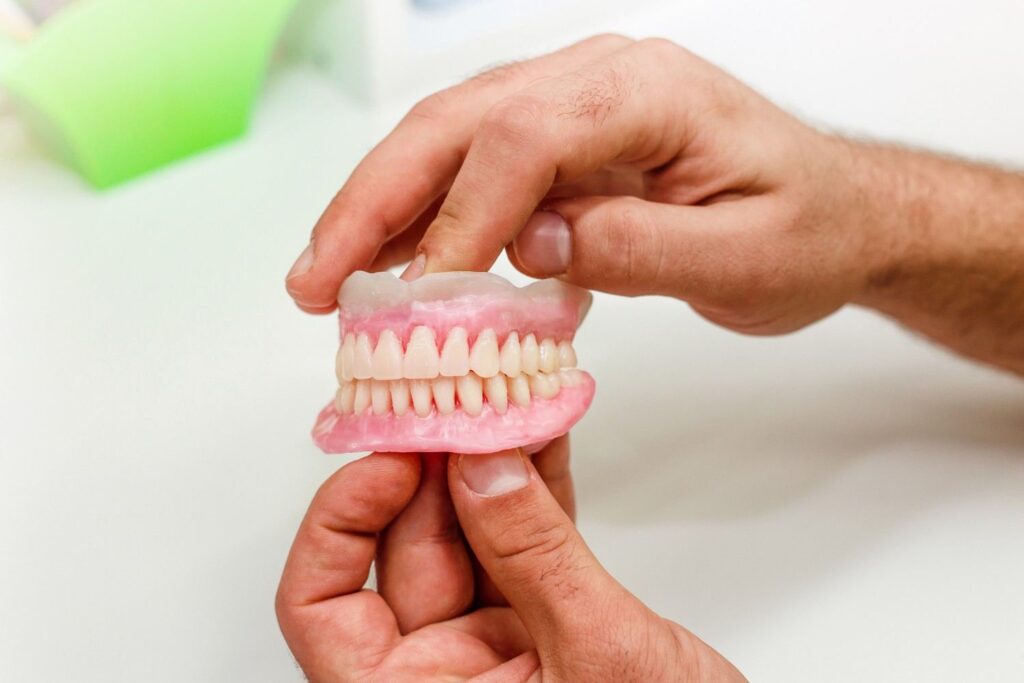
These replace all the teeth in your top jaw, bottom jaw, or both. Full dentures are what people usually get when no natural teeth remain. They include artificial teeth and a gum-colored base that sits on your gums.
Benefits? You get your chewing back, your face keeps its shape, your smile looks natural, and you’ll feel better in social situations.
2. Partial False Teeth
If you’ve still got some real teeth left, partial dentures fill in the gaps. They can replace one tooth, a few, or just plug holes in your smile. Partials typically hook onto remaining teeth or use flexible materials to stay in place.
3. Individual Plastic Teeth
Lost just one tooth? Maybe it was from an accident or decay? You can get just one artificial tooth—either as a small denture piece, a bridge, an implant crown, or even a temporary cosmetic tooth.
4. Fake Front Teeth
The front teeth matter most for your appearance. If you need a replacement up front, dentists will customize the color, shape, and size to match your smile. Modern cosmetic dentures can look so natural that nobody will guess.
5. Fake Teeth for Adults
There are options for almost every need: full dentures, partials, implants, bridges, and even quick-fix cosmetic teeth. Your best pick depends on whether you want a permanent, functional fix or just a temporary touch-up for looks.
Are Fake Teeth and Dentures the Same Thing?
Not exactly, though people often mix up the terms. “Fake teeth” covers everything from single replacements to full sets, but “dentures” usually means removable plates that replace several or all teeth.
What Do Modern False Teeth Look Like?
Can you spot false teeth in 2024? Sometimes, but it’s getting harder. Old-school dentures looked fake: the teeth were too white, the gums looked weird, and they just didn’t fit well. Dentists now can fine-tune shade, shape, gum color, design, and bite so well-made dentures look and feel like they belong in your mouth.
Fake Teeth That Go Over Real Teeth
There are cosmetic products—sometimes called snap-on teeth—that fit over your real teeth. People use them for special events, photos, or just to cover up trouble spots for a day or two. They look okay in a pinch, but they’re not as strong, comfortable, or long-lasting as real dental replacements.
Can You Eat With Fake Teeth?
Yep. With properly fitted dentures, you can eat most things. At first, you’ll want to stick with soft foods, take smaller bites, and chew slowly until you get used to them. Hard, sticky, or chewy stuff can take some practice—but for many, eating feels almost normal again.
How Are False Teeth Made?
Here’s the basic process:
1. Dentist checks your gums, teeth, bite, and jaw.
2. They take impressions or scans of your mouth to get the fit right.
3. Then, they pick out the right size, shape, and color for your new teeth.
4. A dental lab builds the dentures using your chosen materials.
5. Finally, you come back for fitting and follow-up adjustments to make sure everything’s comfortable and looks good.
How Much Do False Teeth Cost?
This is probably the biggest question people have. The answer? It depends—on the type of teeth you need, materials, where you live, what your dentist charges, and if you need extra work done like tooth removal or gum treatment.
Here’s a rough idea:
– Temporary fake tooth: lowest cost
– Partial dentures: moderate cost
– Full dentures: moderate to higher cost
– Implant-supported dentures or a single implant tooth: highest cost
But remember—cheaper isn’t always better. If a denture doesn’t fit right, you’ll wind up with sore gums, speech problems, and pay for repairs or replacements. Spending a bit more upfront usually means more comfort and better durability.
How Much Does One False Tooth Cost?
If you just need to fill in a single gap, you’ve got options. Here’s how it breaks down:
– Removable single denture: It’s the cheapest choice, but mostly a stop-gap. Not really meant for long-term.
– Dental bridge: This one’s fixed, so you get solid chewing and good looks.
– Dental implant: This is the gold standard—strongest, lasts decades, and feels closest to your own tooth.
Prices swing a lot depending on your dentist, where you live, and how complicated your situation is.
What Makes False Teeth “Good”?
You want teeth that:
– Look like they belong in your mouth—not cartoon white or all identical.
– Feel stable and comfy (not slipping or rubbing).
– Let you eat and talk normally.
– Are built from sturdy materials.
Ask your dentist what they use, and don’t be shy about asking how long your new tooth should keep looking and working right.
How Do Fake Teeth Stay Put?
Dentures stick in place with a snug fit and suction—sometimes with a dab of adhesive. If you want something that never budges, dental implants are the go-to. They anchor the teeth right in your jaw.
What’s Up With Denture Adhesives and “Teeth Glue”?
Plenty of people reach for creams, powders, or pads when their dentures feel loose. The thing is, adhesives are just a band-aid. If your denture never feels right, it probably needs adjusting, not more glue.
Why Do Teeth Pop Out of Dentures?
It happens—wear and tear, aging, or weak glue in the denture. Resist the urge to grab household glue! That stuff can damage the denture and isn’t safe. Your best bet? Head to your dentist for a proper fix.
Plastic vs. Porcelain—Which Is Better for False Teeth?
Plastic (acrylic) teeth are lighter, easier on your other teeth, and cost less, but they don’t last as long and can stain. Porcelain teeth look more like real enamel and resist stains, but they’re pricier and can chip. Most folks these days go for acrylic—it’s a good compromise.
Are “Cheap” Fake Teeth Worth It?
Those snap-on kits or costume teeth can work for a photo or a party, but you can’t eat with them, and they’re not meant for real life. Actual dental replacements are pricier for a reason—they chew, talk, and last.
Fake Teeth for Weddings and Special Events
Want a quick fix for a big occasion? Temporary cosmetic teeth can pep up your smile for a day. If you really want comfort or long-term use, though, a pro-made dental appliance is the way to go.
False Teeth Alternatives
Dentures aren’t your only choice. Other ways to replace missing teeth include:
– Dental implants (permanent and super sturdy)
– Dental bridges (uses neighboring teeth for support)
– Snap-on smiles (mostly cosmetic, covers up flaws)
– Partial dentures (attach to your remaining teeth)
How Can You Hide Bad Teeth Without Pulling Them?
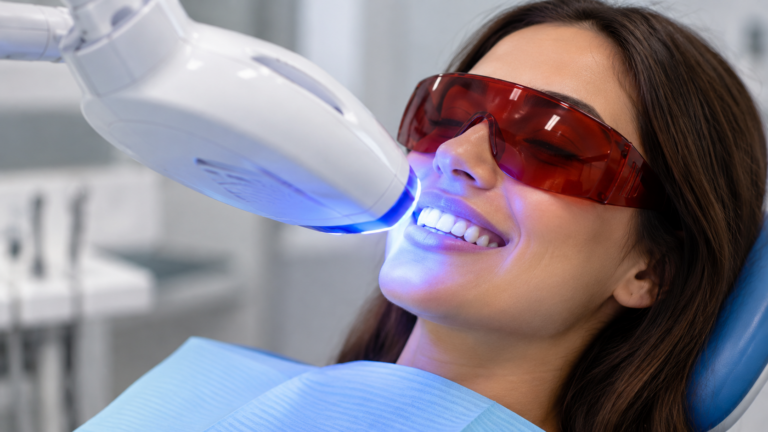
Quick cover? Try a cosmetic overlay, whitening procedure, veneers, or bonding. But don’t skip seeing a dentist—they’ll check for problems like hidden decay or gum disease.
Can You Just Replace One Tooth?
You bet. Whether you lost a single tooth or just one in the back, dentists can make partial dentures, bridges, or implant crowns to fill the gap.
What About Molars?
If you lose a molar, you’ll miss it—those teeth do the heavy lifting for chewing. Partial dentures, bridges, or implants will get you back to normal and keep the rest of your bite healthy.
What Do Dentures Actually Feel Like?
Forget the clunky dentures of the past. Modern ones are slim, custom-fit, and made with high-tech materials. Thanks to digital scans, they’re far more comfortable now.
Frequently Asked Questions
Q. What’s another name for false teeth?
Dentures, artificial teeth, prosthetics, replacement teeth.
Q. What are they made of?
Usually acrylic, plastic, porcelain, ceramic, or flexible nylon.
Q. How long do they last?
Depends on the fit, materials, and your mouth—most need tweaks or updates as your jaw changes.
Q. Can they look real?
Definitely. Modern dentures are customized in shape and color to match your smile.
Q. What types are there?
Full dentures, partial dentures, implant-supported dentures, bridges, single-tooth replacements.
Final Thoughts
False teeth are way better now—whatever you need, your dentist can restore your smile, help you eat, and give your confidence a boost. Sometimes, people won’t even notice your teeth aren’t the originals. Remember: The best choice is the one that fits your life, feels comfortable, and works for your health. It’s not about chasing a perfect Hollywood grin—it’s about getting back to feeling like yourself.