Ever feel your gums ache while brushing your teeth? Do they sting when you eat something hot, cold, or spicy? Maybe they hurt when you floss, or you’ve seen redness and swelling around your teeth. Plenty of people deal with this. You’re not the only one.
Gum sensitivity happens to just about everyone at some point. Sometimes it’s just a minor annoyance that clears up when you brush better. Other times, it’s the first sign of a bigger issue, like gum disease or another dental problem that needs real attention.
The good news—sensitive gums can be treated. Often, changing a few simple habits at home can make a huge difference. The trick is to figure out what’s actually causing the pain, not just try to cover it up.
What are Sensitive Gums?
Think of your gums as soft tissue that shields your tooth roots and helps support your jaw. When they’re healthy, they’re usually firm, light pink (though color isn’t the same for everyone), and brushing or eating normally doesn’t hurt.
But when your gums get irritated, swollen, or damaged, they start to feel sore or extra sensitive. Some people call this gum sensitivity, sensitive gums, or just plain “my gums are hurting.” It might feel like rawness, stinging, tenderness, or even a sharp pain near one spot. Sometimes, gums will bleed, or you’ll notice that sensitive feeling spreading.
It’s also pretty common for teeth and gum sensitivity to appear together. Healthy gums mean healthier teeth—everything’s connected.
If you just started flossing and your gums are a little sore or bleed a bit, don’t panic. That usually gets better fast. But pain that sticks around for days? That’s worth paying attention to.
What Does Gum Sensitivity Feel Like?
Gum sensitivity isn’t the same for everyone. For some, it comes and goes. For others, it just keeps getting worse.
Some warning signs to watch for:
– Gums that feel sore or swollen
– Redness just above your teeth
– Bleeding when you brush or floss
– Pain when you chew
– Any burning or itching in your mouth
– Sharp, sudden pain around a tooth
– A sensitive spot between your teeth or along the gumline
– Bad breath or a weird metallic taste
For a lot of people, the pain only shows up when they brush. Others feel it more as tooth sensitivity where the tooth meets the gum.
Sensitive Teeth and Gums: Why They Happen Together
Ever wonder why your teeth and gums both hurt? Here’s why: your gums cover your tooth roots and protect them. When gums get inflamed or start pulling back, those roots get exposed.
Tooth roots aren’t covered with enamel—they’re covered with a softer stuff called cementum. Once that wears down or gets exposed, things like a cold drink, something sweet, or just brushing can really hurt.
That’s why gum problems and tooth sensitivity so often go together. Healthy gums are one of the best ways to prevent sensitive teeth.
The Most Common Causes of Sensitive Gums
Gum pain doesn’t come from just one thing—there are lots of possible triggers. Here are some of the biggest culprits:
1) Plaque Build-Up
Plaque is just a sticky film of bacteria that forms on your teeth every day. If you don’t brush and floss well, it sits there and irritates your gums. Early signs are bleeding, tenderness, swelling, and bad breath. Clear it out early, and you can fix the problem. If you wait, the situation just gets worse.
2) Gingivitis
This is the first stage of gum disease. It doesn’t always hurt much at first, so people often miss it. Look for puffy, red gums that bleed or have a mild, annoying sensitivity. Chronic bad breath might be part of it too. The upside? Get a good cleaning at the dentist and step up your brushing and flossing, and you can usually reverse it.
3) Periodontal Disease
If you don’t deal with gingivitis, it turns into something nastier: periodontitis. Now the bacteria go deeper, destroying the tissue and bone that anchor your teeth. At this stage, you might notice gum recession, loose teeth, pus, bad breath, and bigger pain. You’ll need a dentist’s help to get things under control.
4) Brushing Too Hard
A lot of people think “the harder, the better” with brushing. Not true. Scrubbing hard or using a stiff-bristled brush wears down enamel and hurts your gums, often making them pull back and get more tender. Dentists always recommend using a soft brush and brushing gently in circles.
5) Flossing Wrong
Flossing helps only if you do it gently. If you snap the floss into your gums, you can actually hurt them and make things worse. When you first start flossing, a little bleeding is common, but it should settle as your gums get healthier.
6) Gum Recession
When your gums pull away from your teeth, the roots get exposed. This is one of the main causes of sensitive gums and teeth—anything from aging, gum disease, grinding your teeth, aggressive brushing, or smoking can do it. You might feel twinges when you drink something cold, eat sweets, or even just brush along the gumline.
7) Vitamin Deficiencies
Your gums need certain vitamins—like C, D, and K—as well as minerals like calcium and zinc to heal and stay strong. If you’re running low on any of these, your gums get weaker and take longer to bounce back.
8) Hormonal Changes
Hormones can make your gums pretty touchy. During pregnancy, puberty, menopause, or even just your monthly cycle, your gums might swell up and overreact to plaque simply because blood flow increases.
9) Smoking and Tobacco
Tobacco is rough on your mouth. It cuts blood flow, hurts your tissue, and makes gum disease and infections way more likely. Smokers also have a tougher time healing after dental work. The good news? If you quit, you see improvements pretty quickly.
10) Stress
Stress increases the chance of teeth grinding, poor sleep, and even skipping brushing or eating too many sweets. All of these are bad for your gums and set the stage for irritation.
11) Certain Foods
Some foods—really spicy, acidic, or hard—can make already sore gums even worse. If your gums are inflamed, foods like citrus or crunchy snacks can increase pain.
12) Dental Appliances
Braces, retainers, dentures, or crowns that don’t fit right can rub and irritate gums. A dentist can usually adjust these to fix the problem.

Less Common Causes
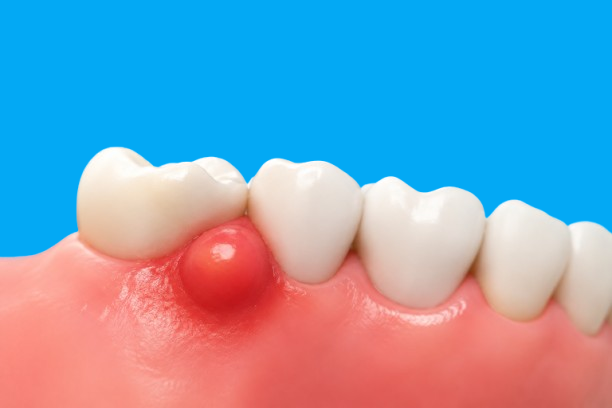
Sometimes, gum pain is about something rarer—like canker sores, oral thrush, allergies to toothpaste, dry mouth, teeth grinding, abscesses, medications, autoimmune conditions, or uncontrolled diabetes. If your gums don’t get better after a couple weeks of good home care, check in with your dentist.
Is Gum Sensitivity Ever an Emergency?
Most gum soreness isn’t urgent. But get care fast if you have severe swelling, fever with gum or tooth pain, trouble swallowing or breathing, pus, a loose adult tooth, nonstop bleeding, or sudden severe pain that sticks around. These can signal a real infection or other serious issue.
How do you treat sensitive gums?
It depends on what’s causing it. Sometimes, better habits at home are enough. Other times, you’ll need a dentist’s touch. The sooner you know the cause, the easier it is to fix things.
How Dentists Diagnose Sensitive Gums
Dentists don’t just look at your gums and guess. They’ll check for plaque, tartar, pockets around your teeth, gum recession, and test for sensitivity. Maybe they’ll take X-rays. Big-picture questions—like brushing and flossing habits, your health history, and any signs of grinding—help get to the root of the issue.
Sensitive Gums Treatment
Here are some of the best ways to help your gums, depending on the cause:
1) Improve Your Brushing Technique
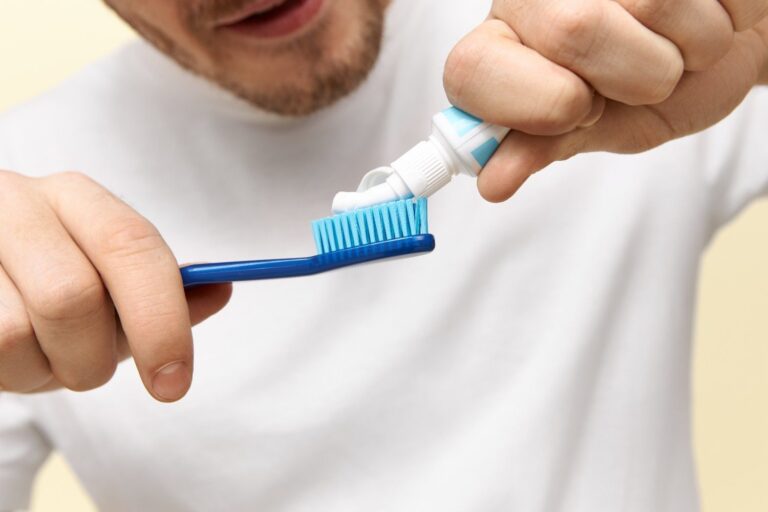
Go easy! Use soft bristles, angle the brush at 45 degrees, and move in gentle circles. Brush twice a day, two minutes each time. Replace your brush every three months (or sooner if it’s worn out).
2) Floss Daily
Get between the teeth where your brush can’t reach. Start gently, and keep at it—even if your gums bleed a little at first. That usually gets better with time.
3) Use Antibacterial Mouthwash
A gentle, alcohol-free antibacterial rinse helps back up brushing and flossing by fighting bacteria and soothing your gums.
4) Get Professional Cleanings
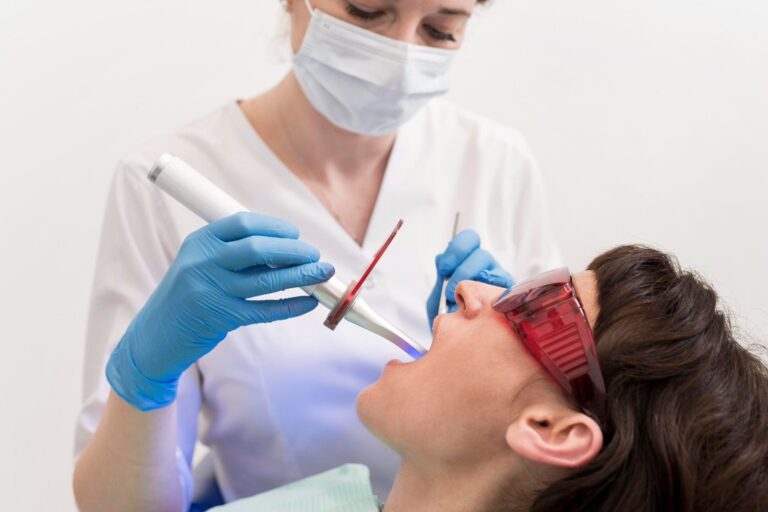
Once plaque hardens to tartar, your toothbrush won’t cut it. Regular cleanings remove tartar, shrink swelling, and help gums heal. For many people, this is the turning point.
5) Scaling and Root Planing
If gum disease has gotten further along, deep cleaning below the gumline (scaling and root planing) helps remove entrenched bacteria and lets your gums reattach to your teeth.
6) Treat Gum Recession
Options here include special desensitizing treatments, bonding, or gum grafts—your dentist will help you decide what’s best.
7) Treat Teeth Grinding
If you grind at night, ask your dentist about a mouth guard or bite adjustment. Sometimes, stress management or relaxation techniques help too.
Home Remedies for Sensitive Gums
For mild cases, try simple care at home:
– Warm salt water rinse: just stir half a teaspoon of salt into a cup of warm water, swish it around your mouth for about 30 seconds, spit it out, and do it a couple times a day.
– Stay hydrated: A dry mouth makes things worse, so drink plenty of water throughout the day.
– Eat more vitamin-rich foods: Oranges, leafy greens, yogurt, cheese, salmon, nuts, eggs—these all help feed your gums.
– Avoid smoking: This slows healing and bumps up gum disease risk.
– Cut out sugary snacks: Swap with apples, cheese, nuts, or raw veggies.
What Can You Put on Sensitive Gums?
Desensitizing toothpaste, fluoride gels, antibacterial mouthwash, or prescription rinses may help, depending on the problem. Sometimes, your dentist will suggest a protective coating or short-term oral gel for relief. Don’t put aspirin on your gums—it burns.
If home fixes don’t help within a few days or your pain is severe, see a dentist instead of guessing.
Best Toothpaste for Sensitive Gums
Pick a toothpaste that’s made for sensitivity and supports gum health. Look for fluoride, gentle (non-abrasive) formulas, and something that helps fight plaque. Toothpaste helps, but you’ll need the whole oral-care routine to fix gum problems.
Daily Routine for Stronger Gums
Consistency wins. Try this:
Morning:
– Gentle two-minute brushing
– Floss or clean between teeth
– Rinse with an gentle mouthwash
During your day:
– Drink water
– Stay away from too many sugary drinks
– Snack on raw veggies if you can
– Don’t smoke
Evening:
– Brush before bed
– Floss again
– Wear your night guard if you have one
Stick with it—small habits done every day matter more than big changes once in a while.
Foods for Healthier Gums
Eat more:
– Greens
– Berries and citrus fruits
– Dairy
– Fish
– Nuts and beans
– Whole grains
Cut back on:
– Sticky sweets
– Soda and sugary drinks
– Too much alcohol
– Junk food
Common Mistakes People Make
These habits can wreck your gums:
– Brushing too hard
– Using a hard-bristled brush
– Skipping floss
– Smoking
– Pretending bleeding gums don’t matter
– Delaying trips to the dentist
– Overusing whitening products if they bother your gums
– Snacking on sugar all day
When to See a Dentist
Make an appointment if:
– Your gums bleed a lot or often
– Swelling lasts more than a week
– Pain is severe
– Teeth feel loose
– Gums are pulling away from teeth
– You see pus
– Bad breath won’t go away
– Home care doesn’t help in a week or two
The earlier you handle it, the simpler and cheaper it usually is.
Frequently Asked Questions
Q. Why do my gums feel raw?
Rawness can be from plaque, brushing too rough, irritation from food, mouth sores, or dental appliances. If it doesn’t settle in a week or gets worse, see a dentist.
Q. How do you treat gum sensitivity?
Start with better brushing and flossing, a soft toothbrush, professional cleanings, and treating any gum disease.
Q. What causes gum sensitivity?
Plaque, gingivitis, gum recession, brushing too hard, hormone changes, smoking, low vitamins, stress, and dental tools that don’t fit right.
Q. What can you put on sensitive gums?
Depending on the cause: fluoride, antibacterial rinses, desensitizing toothpaste, or short-term gels. But don’t rely on these if the pain sticks around. That’s a sign you need professional help.
Q. Can receding gums cause tooth sensitivity?
Absolutely. Receding gums expose roots, which are way more sensitive than regular enamel.
Q. Why do my teeth hurt when I brush?
Usually, it’s because of exposed roots, worn enamel, a cavity, or gum recession. Use a soft brush and sensitive toothpaste, but don’t ignore it if it doesn’t get better.
Q. Can stress affect my gums?
Yep. Stress leads to more grinding and worse overall oral hygiene.
Q. Is bleeding while brushing normal?
A bit of bleeding can happen when you first start flossing. Regular bleeding means something’s up with your gums, so pay attention to it.
Prevention Checklist
– Brush twice daily, gently, with a soft brush
– Floss every day
– Go to your dentist for cleanings and checkups regularly
– Avoid tobacco
– Drink plenty of water
– Eat a balanced diet
– Manage stress
– Replace your brush when it’s worn
– Don’t ignore any bleeding or swelling
Final Thoughts
Healthy gums hold up your smile. Gum sensitivity is super common, but it shouldn’t be ignored—especially since catching it early often makes things easier. If sore gums come from plaque, gum recession, harsh brushing, or something else, handling it early always pays off.
Most people get relief with a little extra care at home, a few good habits, and regular dental visits. But if your gums keep hurting, stay swollen, or keep bleeding, don’t just hope it passes. See a dentist. You’ll feel better, avoid bigger problems, and protect your smile for years to come.
Remember, healthy gums are more than just anchors for your teeth. They make it easy to smile without worry.